
When people talk about “cold-water fish,” it can sound like just another nutrition buzzword. But the truth is, where a fish comes from — particularly how cold its home waters are — has a real impact on its flavor, purity, and nutritional value. The oceans shape the fish that live in them, and the icy Arctic seas create something truly unique.
If you’ve ever wondered why Norwegian fish, Arctic cod, or salmon from cold northern waters are so often recommended, here’s the story behind the science — explained simply and naturally.
Cold Water Creates a Different Kind of Fish
Cold-water fish live in harsh, icy environments where temperatures stay low year-round. To survive, their bodies adapt in remarkable ways:
They develop more healthy fats
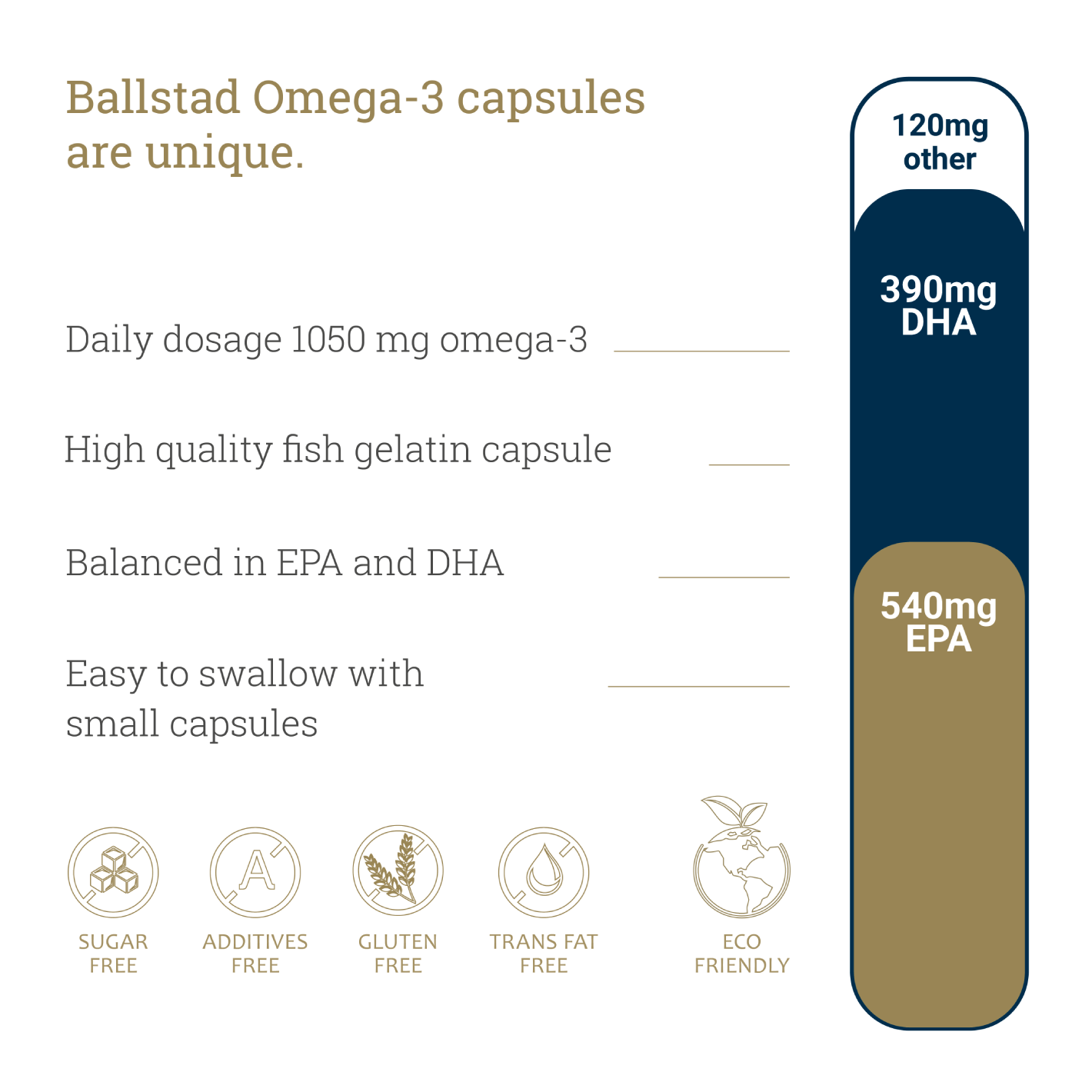
In freezing water, fish need flexible cell membranes and insulation. To achieve this, they naturally produce more omega-3-rich fats (especially EPA and DHA). These fats keep them agile in cold seas — and incidentally make them incredibly nutrient-dense for us.
Their nutrients are more concentrated
Because cold-water fish metabolize energy differently, they often store nutrients more efficiently. The result? Fish that tend to be richer in vitamins (like B12 and D), minerals, and long-chain omega-3s compared to many warm-water species.
They grow in cleaner, less crowded ecosystems
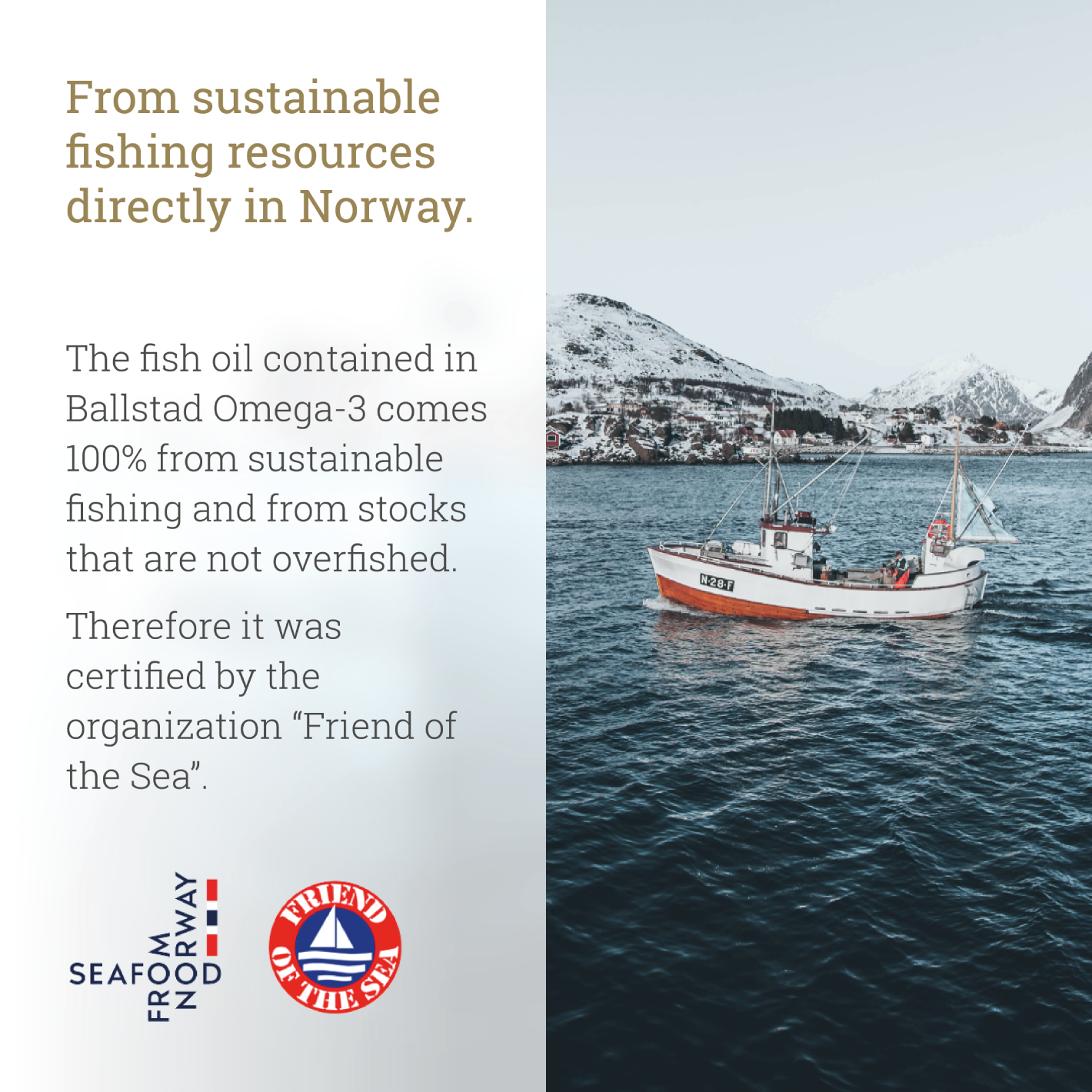
Arctic and northern waters tend to be less polluted, less trafficked, and more carefully managed. That means cleaner habitats — and often cleaner, purer fish.
Warm-Water Fish: How They Compare
Warm-water species, especially those from tropical or shallow seas, simply don’t need the same fat reserves. As a result:
-
They are usually leaner
-
Their omega-3 levels are significantly lower
-
Their nutrient profile can be lighter and less concentrated
This doesn’t mean warm-water fish aren’t healthy — they are! But when it comes to omega-3s and marine-based nutrients, cold-water species naturally take the lead.
Why This Matters for Your Health
More omega-3s per serving
EPA and DHA are the forms of omega-3 most directly linked to heart health, brain function, inflammation balance, and even cell structure. Cold-water fish simply contain more of them.
A broader nutrient profile
Many cold-water species offer natural vitamin D, high-quality protein, selenium, and essential amino acids — all important for energy, immunity, and long-term wellness.
Cleaner sourcing
The colder the waters, the slower biological activity tends to be — meaning fewer parasites, fewer blooms, and less environmental contamination. For people who pay attention to purity (especially in supplements), this is a meaningful difference.
Why Cold-Water Sourcing Matters for Supplements Too
Not everyone has access to fresh Arctic fish every week, which is why many turn to marine supplements. And here, origin matters just as much.
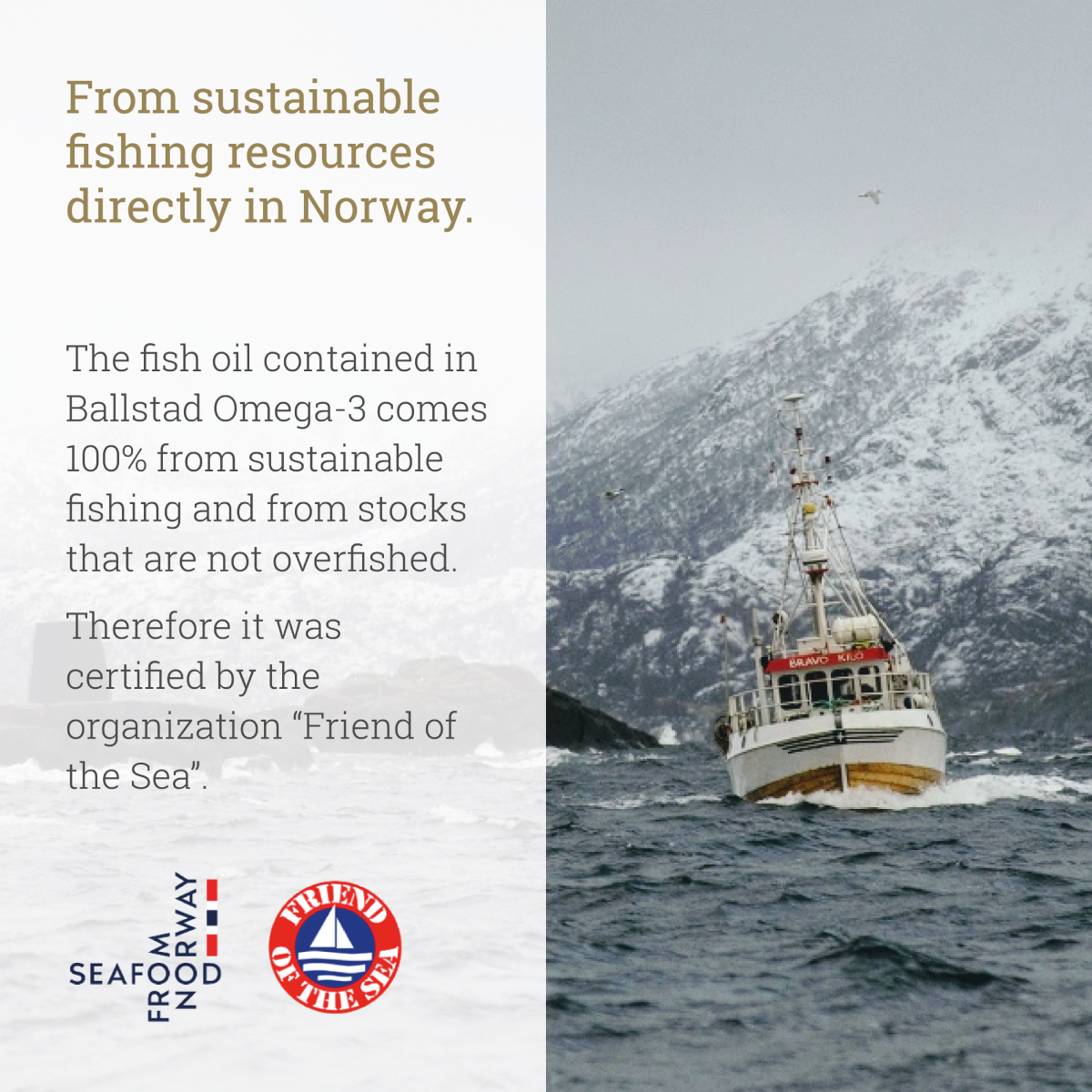
When omega-3 or collagen is made from cold-water species harvested in clean northern seas, the baseline quality — and nutritional richness — is naturally higher. Many people choose products sourced from places like Norway for exactly this reason: it feels closer to nature, closer to purity, and closer to what the ocean intended.
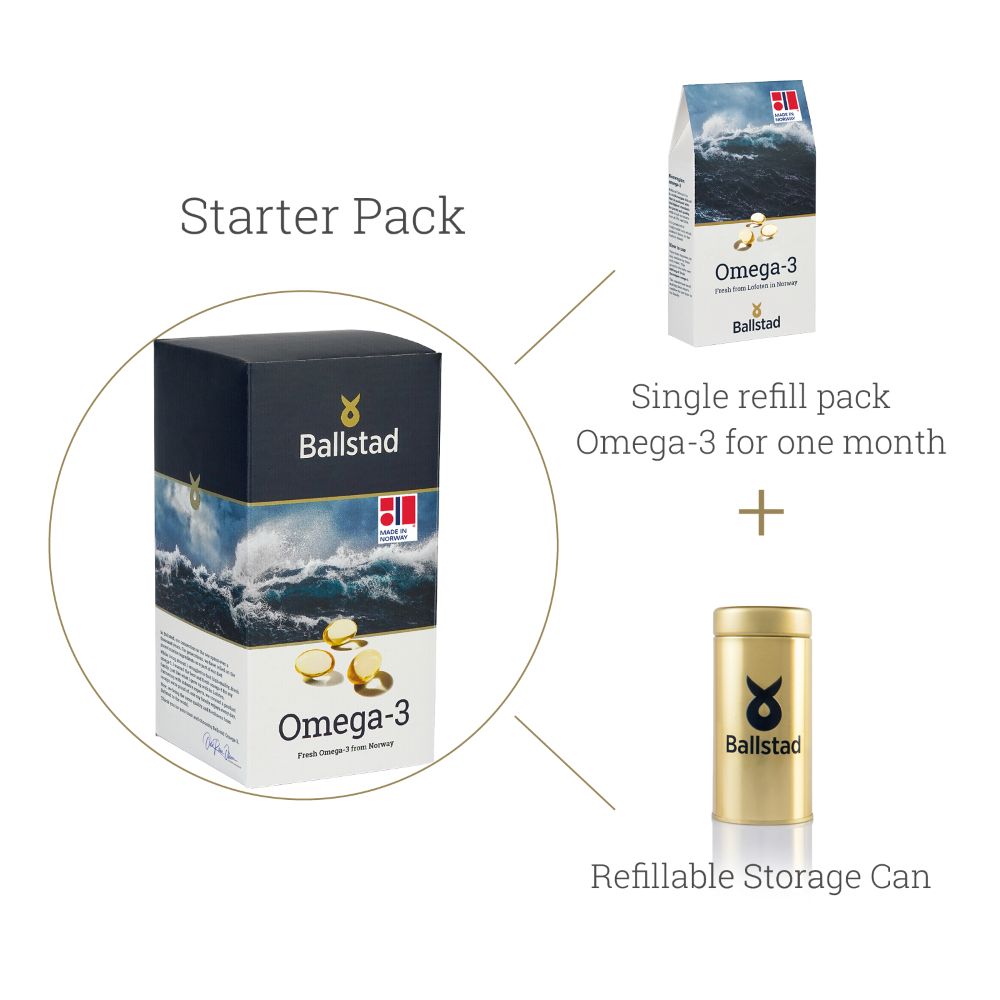
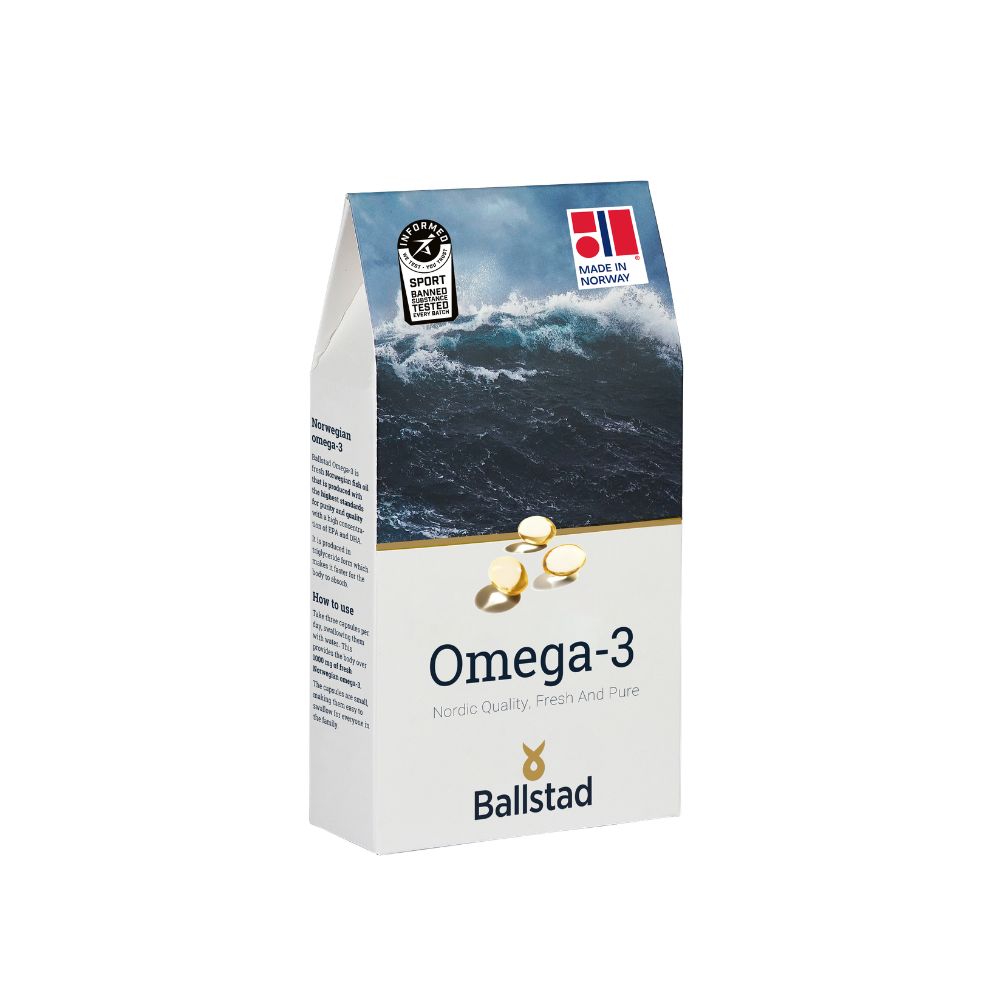
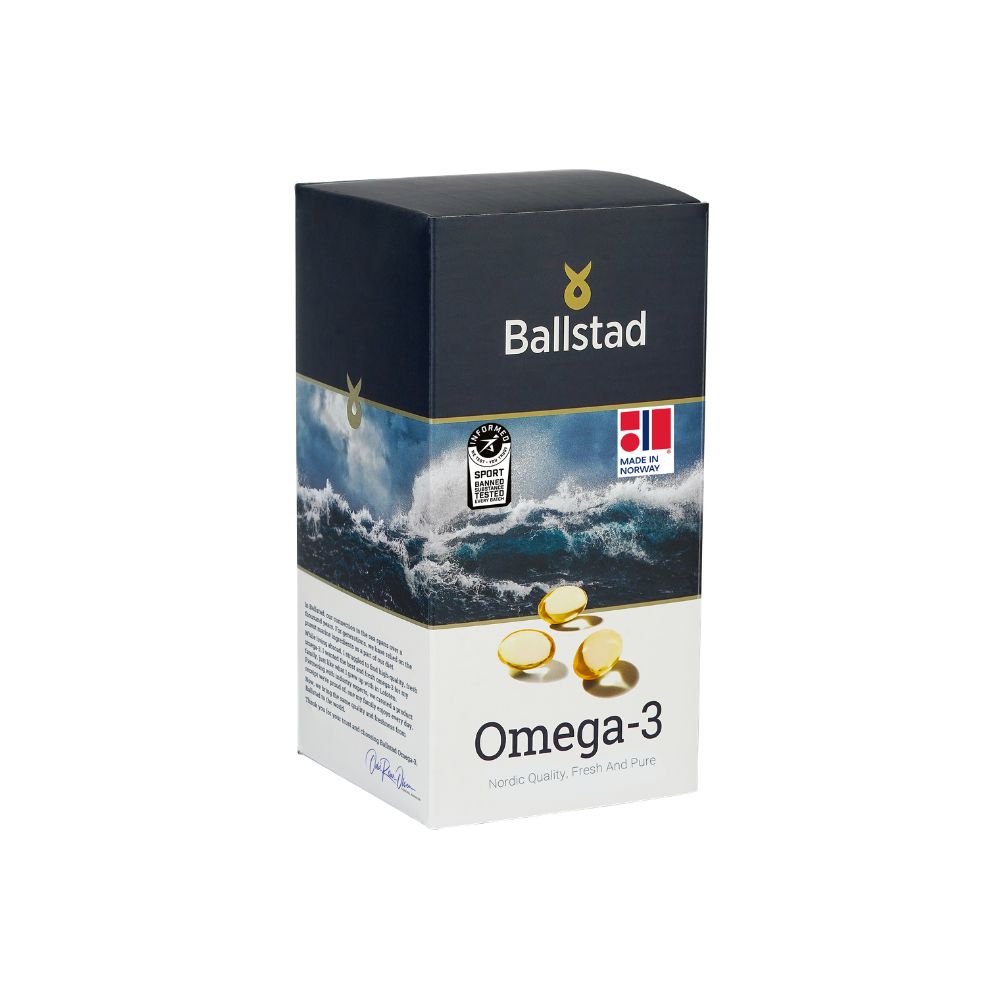
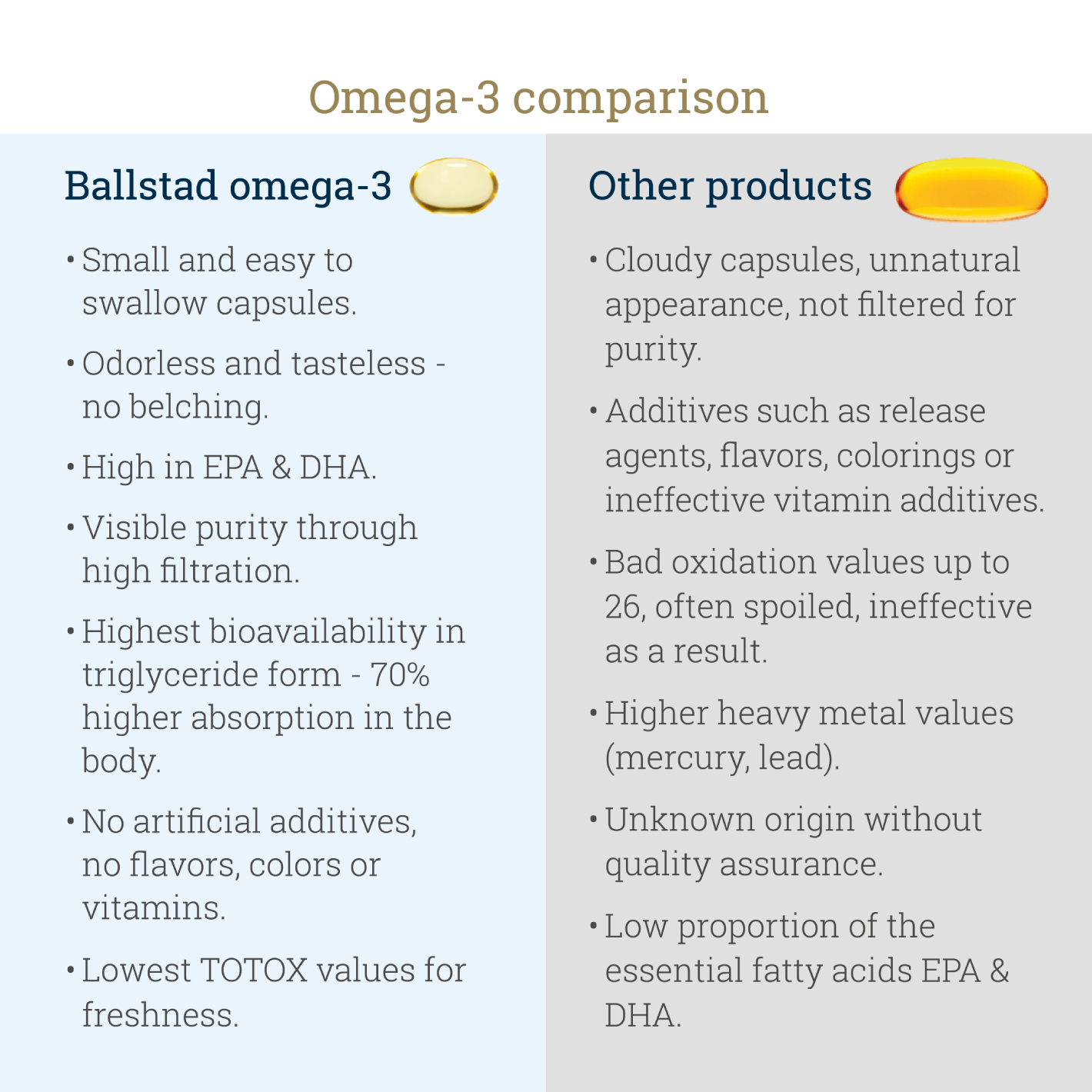
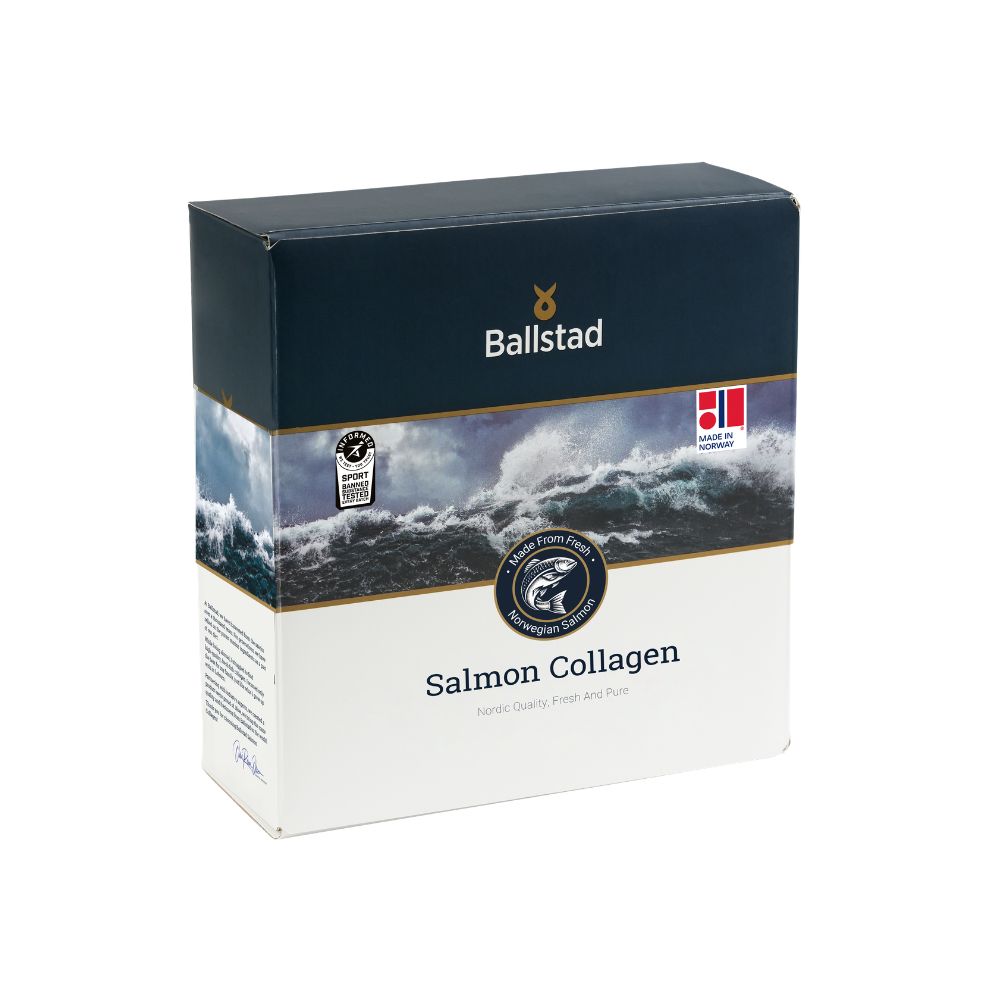
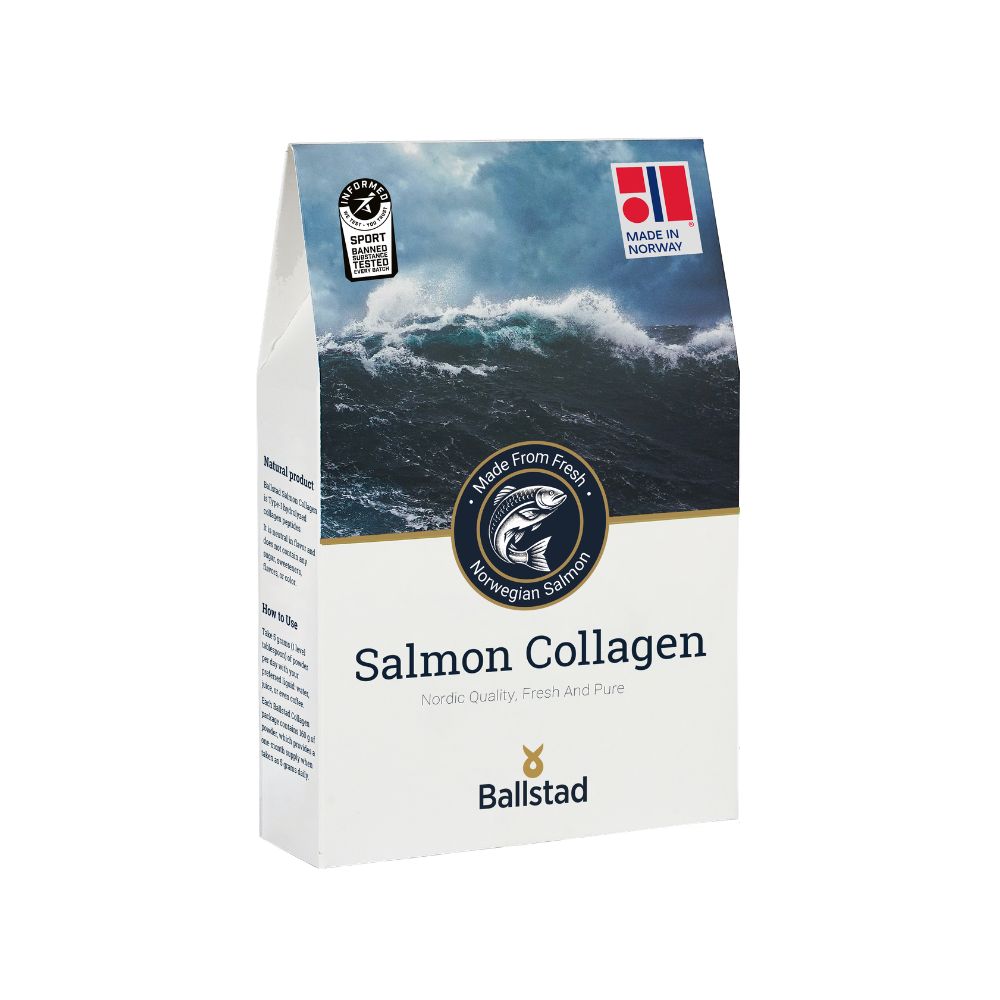
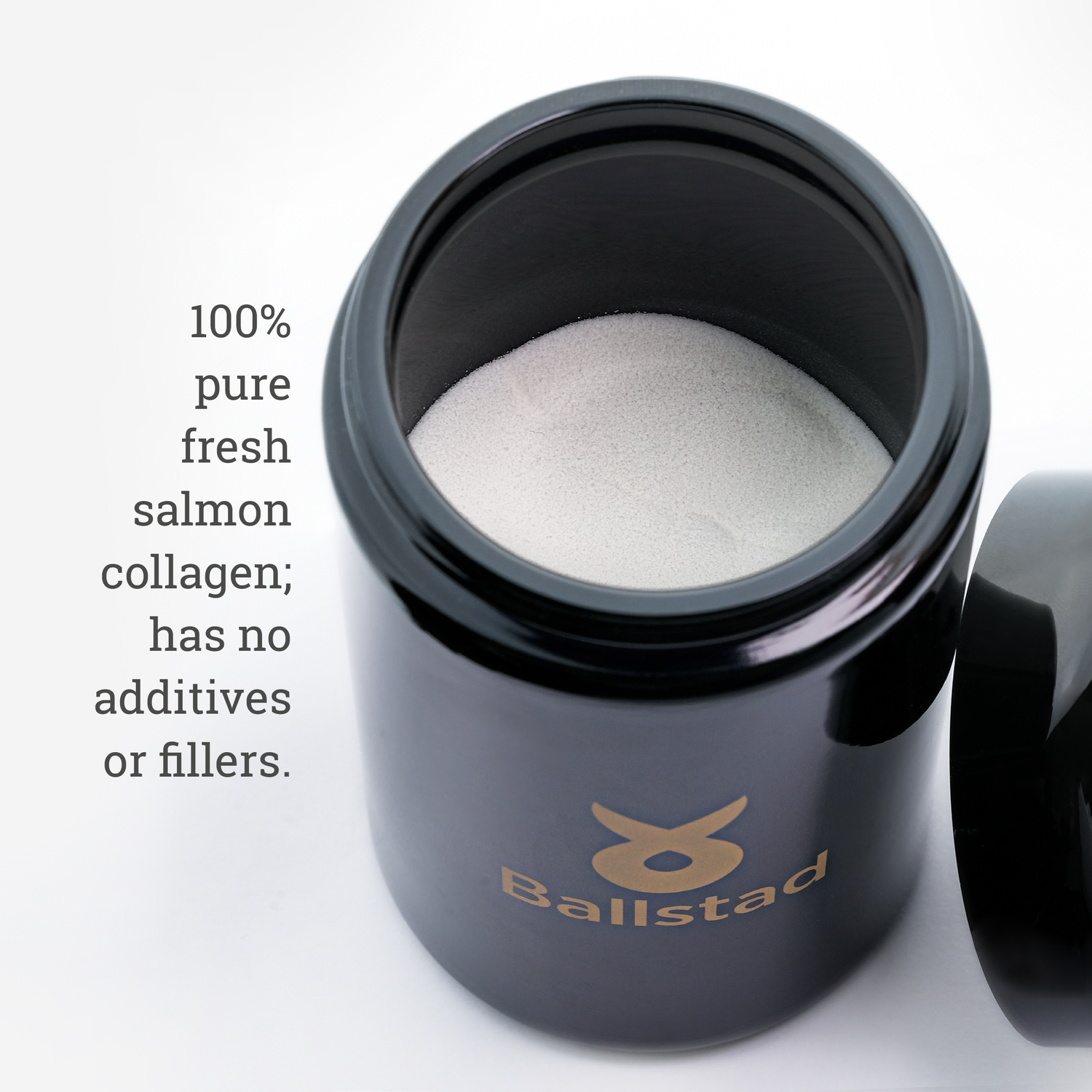
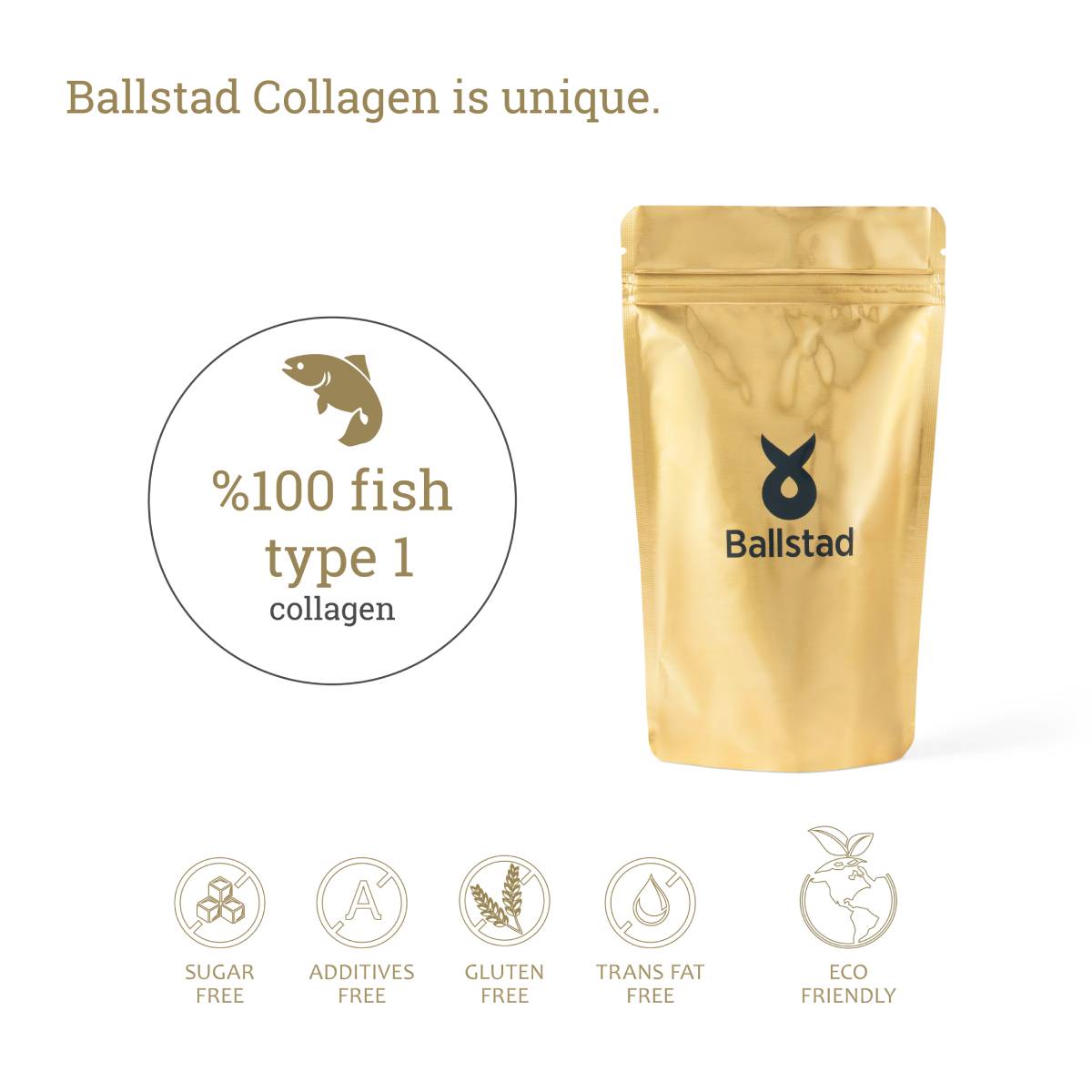
(And yes… this is also why Ballstad uses cold-water fish for its omega-3 and collagen — quietly, consistently, and without making a big deal out of it. It’s simply the better choice.)
Final Thoughts
“Cold water” isn’t a marketing phrase. It’s a real environmental factor that shapes the biology, nutrition, and purity of the fish we eat — and the supplements we rely on.
Fish from the Arctic and other cold northern waters naturally contain more omega-3s, more essential nutrients, and often come from cleaner, more responsibly managed ecosystems. Whether you’re choosing seafood for your meals or marine supplements for daily support, understanding the role of cold water helps you make choices that are good for your body and gentle on the planet.