
Choosing a fish oil supplement can be confusing — especially when labels include terms like triglyceride form, ethyl ester, or re-esterified triglyceride. These technical details matter more than most people realize, because the form of the oil affects how well your body absorbs it.
This guide breaks down exactly what “triglyceride form” means, why it matters, and how to read a fish oil label with confidence.
Why Fish Oil Format Matters
Not all fish oil is created equal. Even if two products list the same amount of omega-3, your body may absorb one dramatically better than the other. The oil’s chemical form plays a major role in:
-
Absorption
-
Stability
-
Purity
-
Potency
-
How natural the oil is
Understanding this helps you choose a supplement that actually delivers the benefits you’re paying for.
What Does “Triglyceride Form” Mean?
A Natural Structure Found in Real Fish
In nature, omega-3 fatty acids (EPA and DHA) are attached to a glycerol backbone, forming a triglyceride. This is the same structure found in whole fish.
When a fish oil label says “triglyceride form”, it means the oil is in its natural or re-esterified natural structure — which is generally the most bioavailable and easiest for the body to recognize.
Types of Fish Oil Forms Explained
1. Natural Triglyceride (rTG or TG) Form
This is fish oil in its closest form to real fish.
Benefits:
-
High absorption
-
Gentle on digestion
-
Easily recognized by the body
-
Often lower oxidation
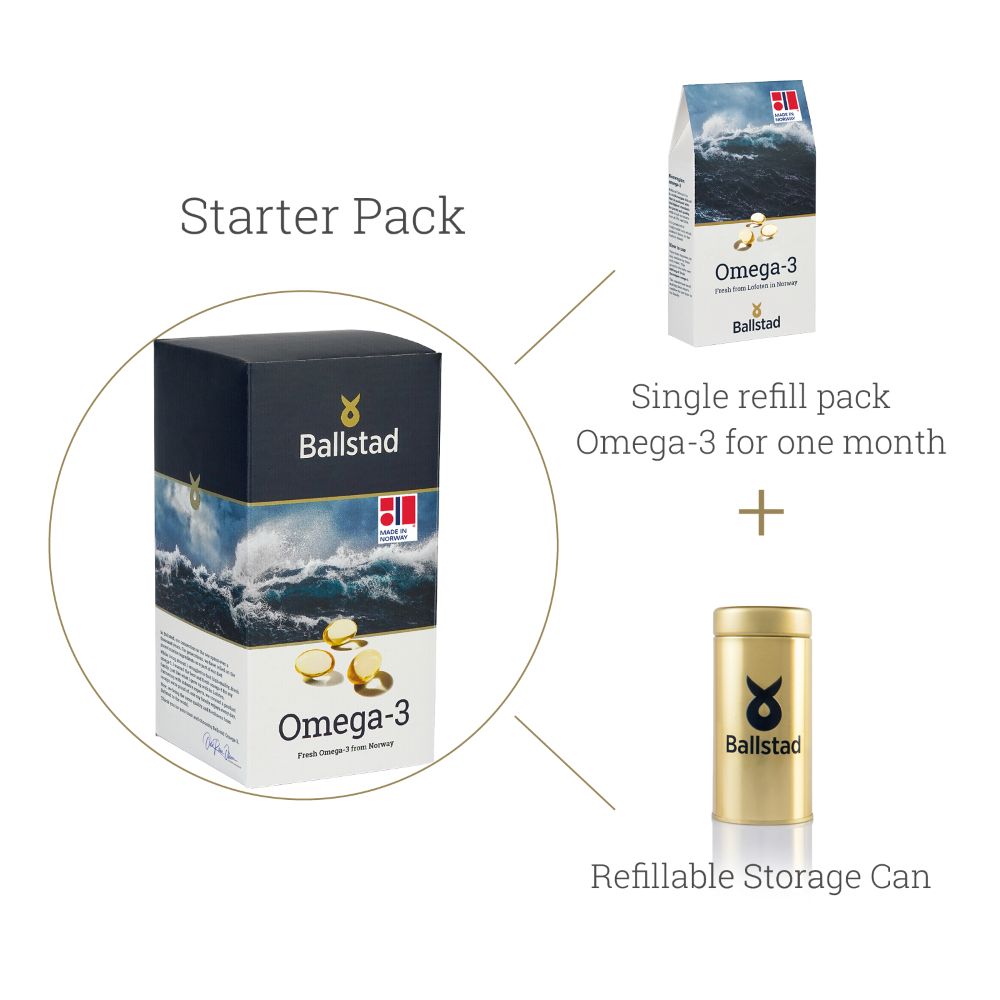
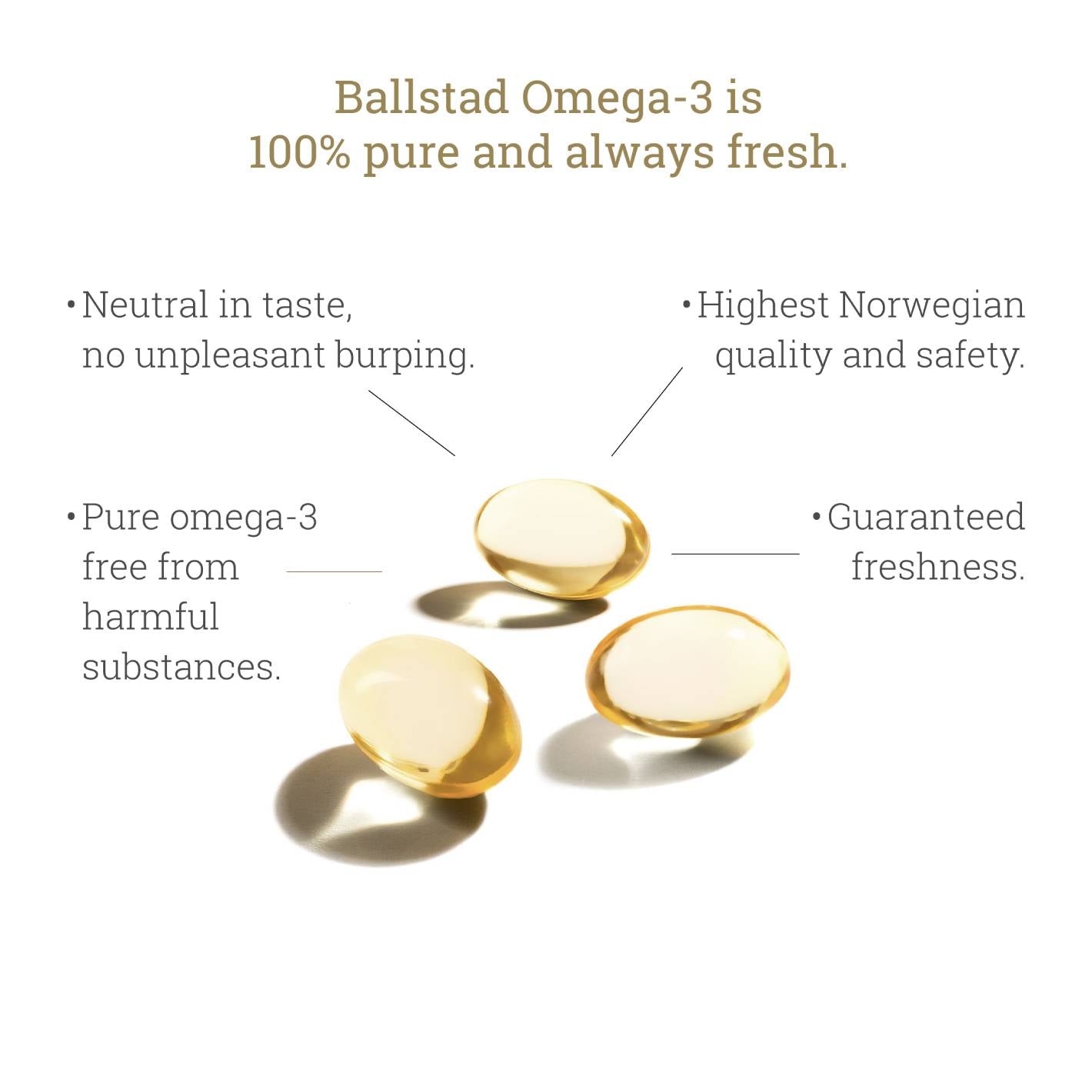
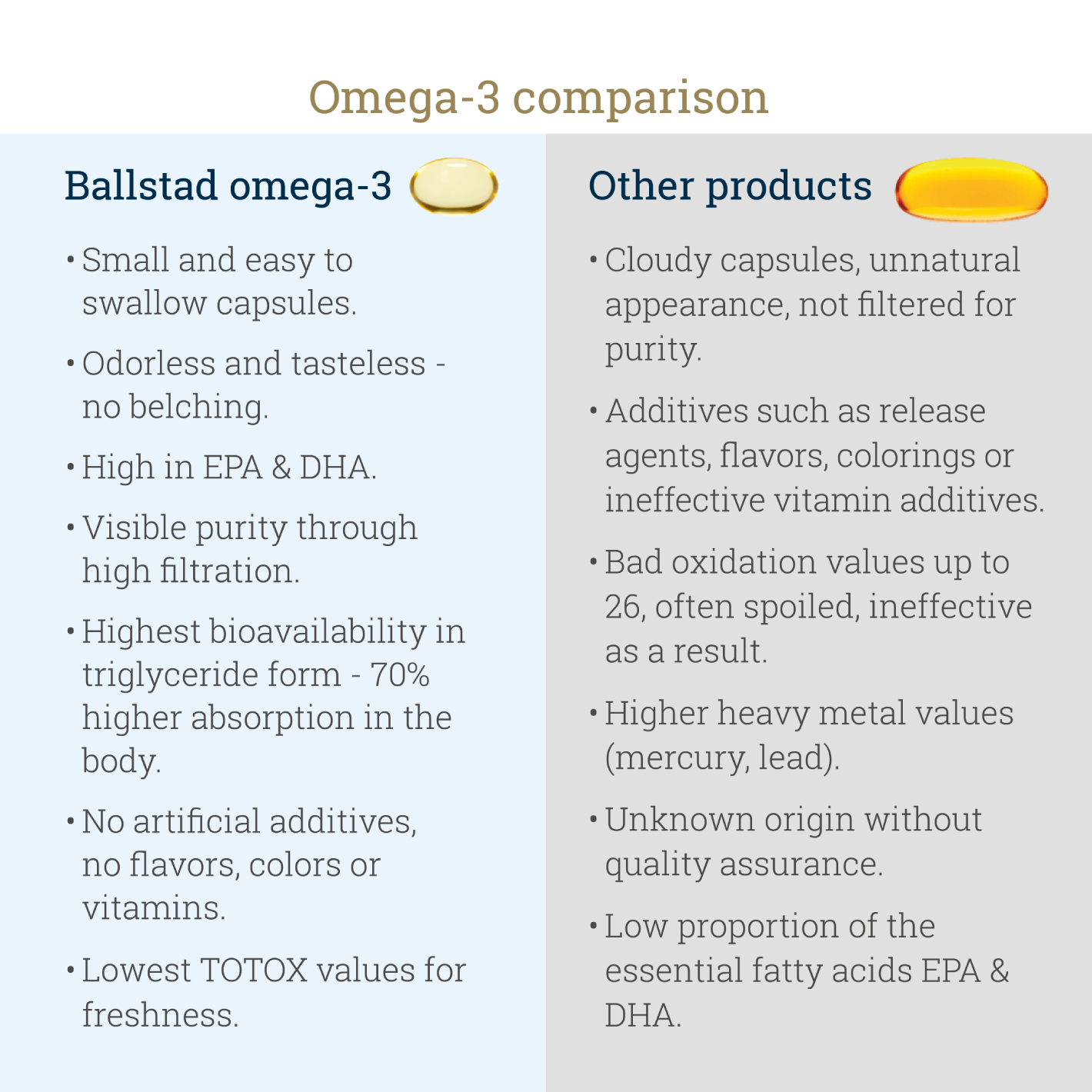
Premium brands often use this form. For example, Ballstad Omega-3 is naturally rich in triglyceride-form omega-3s, offering excellent bioavailability without heavy processing.
2. Ethyl Ester (EE) Form
This is a more processed form created when alcohol is added to free fatty acids during refinement.
Pros:
-
Allows very high concentrations of EPA/DHA
-
Lower cost
Cons:
-
Less bioavailable
-
More prone to oxidation
-
Must be digested differently, making absorption slower
3. Re-Esterified Triglyceride (rTG) Form
This form is created when ethyl ester oil undergoes an extra step that reconnects the fatty acids back onto a glycerol backbone.
Pros:
-
Higher absorption — often better than natural TG
-
Higher EPA/DHA concentrations possible
-
More stable
Cons:
-
More expensive
How to Read a Fish Oil Label Correctly
1. Check the Form of the Oil
Look for keywords such as:
-
“Triglyceride form”
-
“rTG form”
-
“Natural triglycerides”
These indicate a high-quality oil.
If the label says “ethyl ester” or “EE”, expect lower absorption.
2. Look at the EPA and DHA Content (Not Just Total Fish Oil)
A bottle may say 1000 mg fish oil, but only contain:
-
180 mg EPA
-
120 mg DHA
High-quality supplements list their actual EPA and DHA clearly.
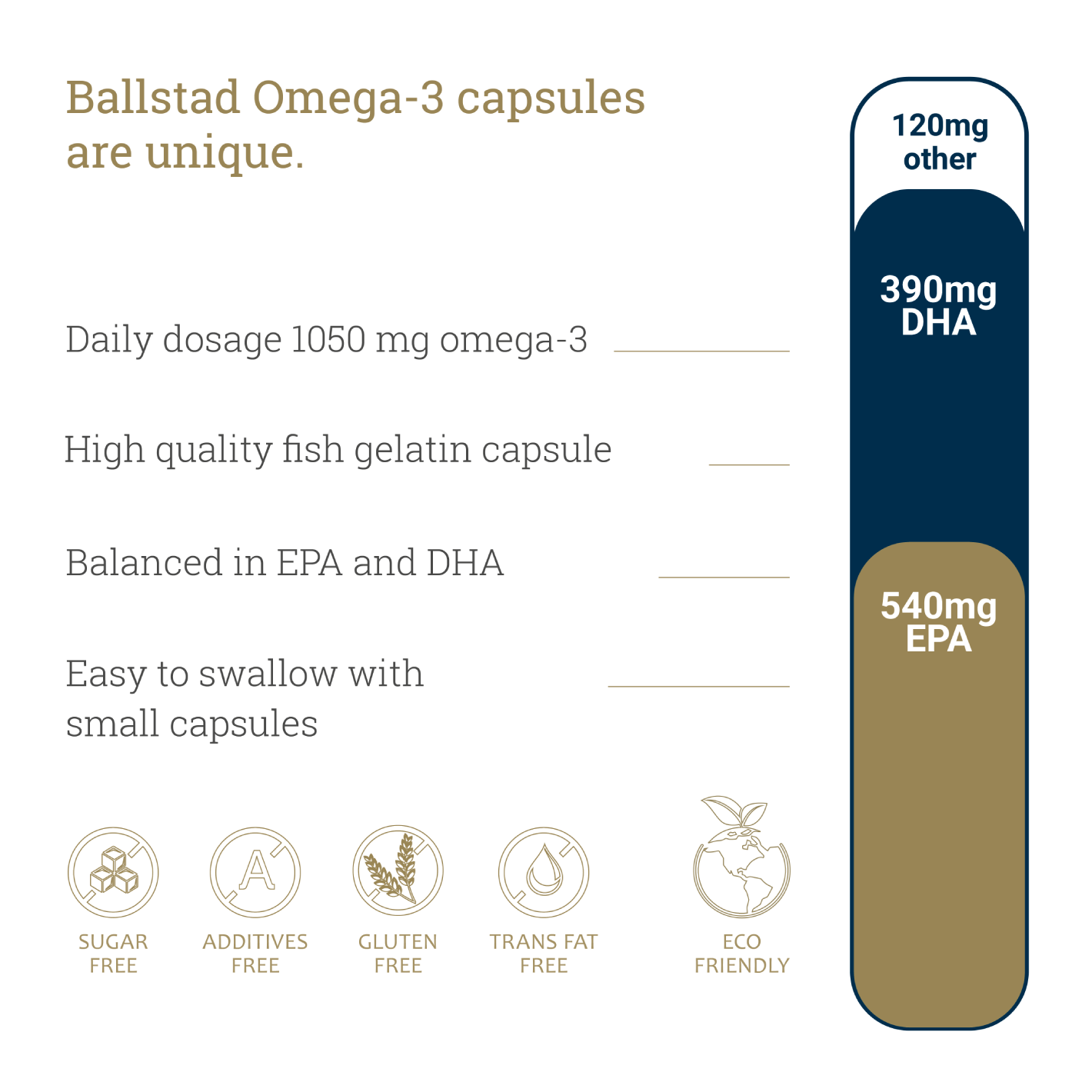
Products like Ballstad Omega-3 are known for transparent labeling and naturally high DHA content from salmon.
3. Check Oxidation Levels (TOTOX or Anisidine Value)
Lower numbers = fresher oil.
Oxidized oil loses potency and may cause fishy burps.
4. Check the Source of the Fish
Wild or responsibly farmed cold-water fish are best:
-
Salmon
-
Anchovies
-
Sardines
-
Mackerel
Norwegian fish oil, for instance, is known for exceptional purity and traceability.
Why the Triglyceride Form Is Often Better
Better Absorption
Your body naturally absorbs triglyceride-form fats more efficiently because they match the structure found in food.
Less Processing
Natural triglyceride oils undergo fewer chemical changes.
Better Tolerance
Many people find triglyceride-form oils easier on digestion.
More Stable
They tend to oxidize less compared to ethyl ester oils.
Frequently Asked Questions (FAQ)
Is triglyceride-form fish oil better?
Yes. Studies show the triglyceride (or rTG) form is absorbed more efficiently than ethyl ester fish oil.
Is ethyl ester fish oil bad?
Not bad — but less bioavailable and more processed.
How do I know which form my supplement is?
Check the ingredient list. If it does not specify, the product is often ethyl ester by default.
Does triglyceride form cost more?
Usually yes, because it’s less processed and often higher quality.