
We all know it… we have had a good dinner, eaten enough, satisfied, life is good. Then suddenly we feel an urge to eat something, a craving. Am I hungry? Do I just want to eat? And if so, why? Do you recognize some of those thoughts and actions?
If you are eating at midnight, it is probably not food your body truly needs. Late night cravings often appear when the brain is overloaded — not when the body is under fed.
Stressful days, emotional strain, and ongoing fatigue can make it harder to stay balanced. And at night, when the world quiets down, the mind often stays switched on. That is when cravings tend to surface.
Your body is not asking for more willpower. It is asking for relief.
Cravings at night are commonly linked to:
• Stress
• Fatigue
• Emotional overload
• Mental exhaustion
• Blood sugar dips
• Cortisol fluctuations
These signals can feel like hunger, but they are usually the brain’s way of seeking comfort or quick energy. Sweet foods, salty snacks, and fast reward treats become appealing because they offer a temporary sense of relief.
This is why cravings feel stronger when you are tired or overwhelmed — not because you are lacking discipline, but because your brain is trying to regulate itself.
The Brain Plays a Central Role — And Omega 3 Supports Brain Related Processes
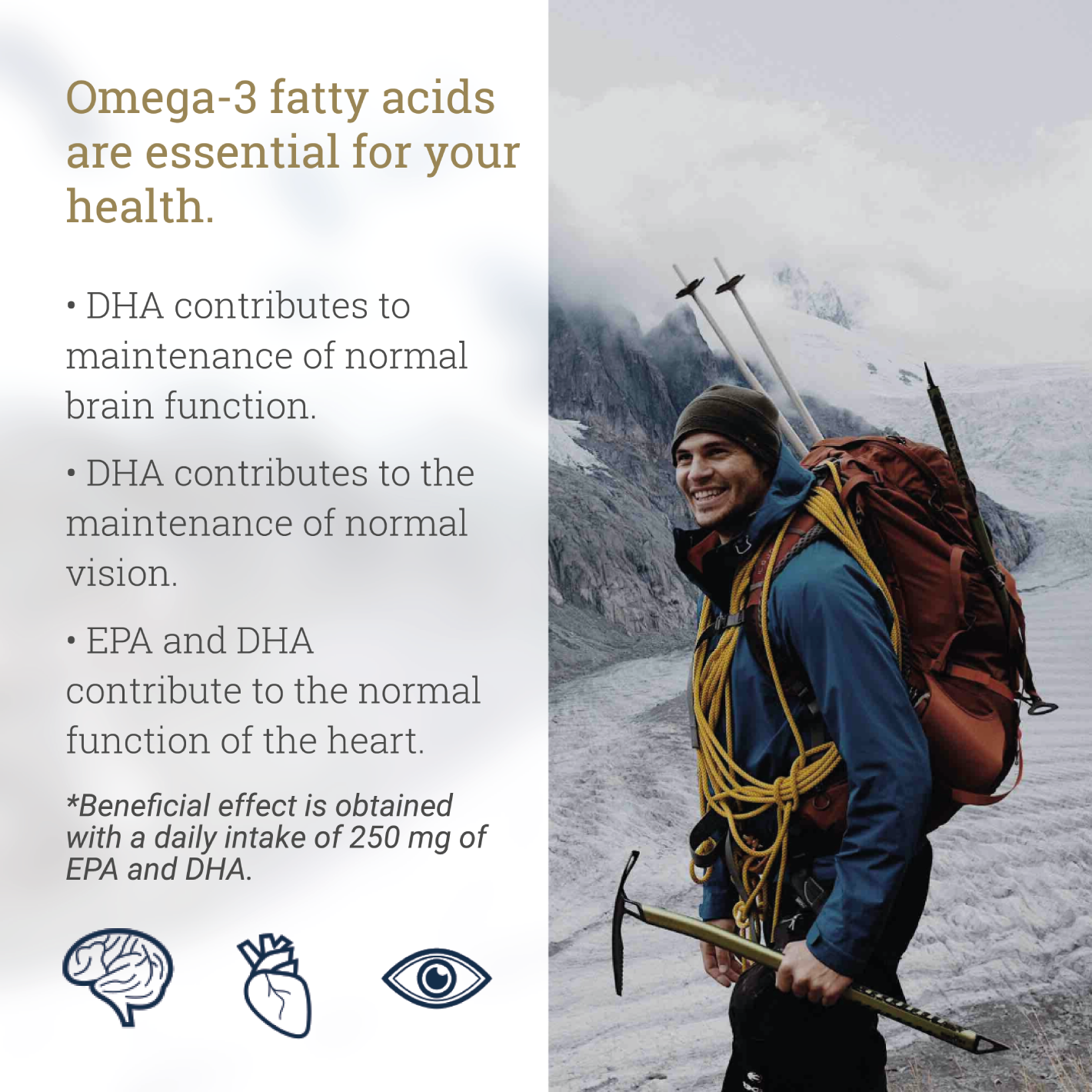
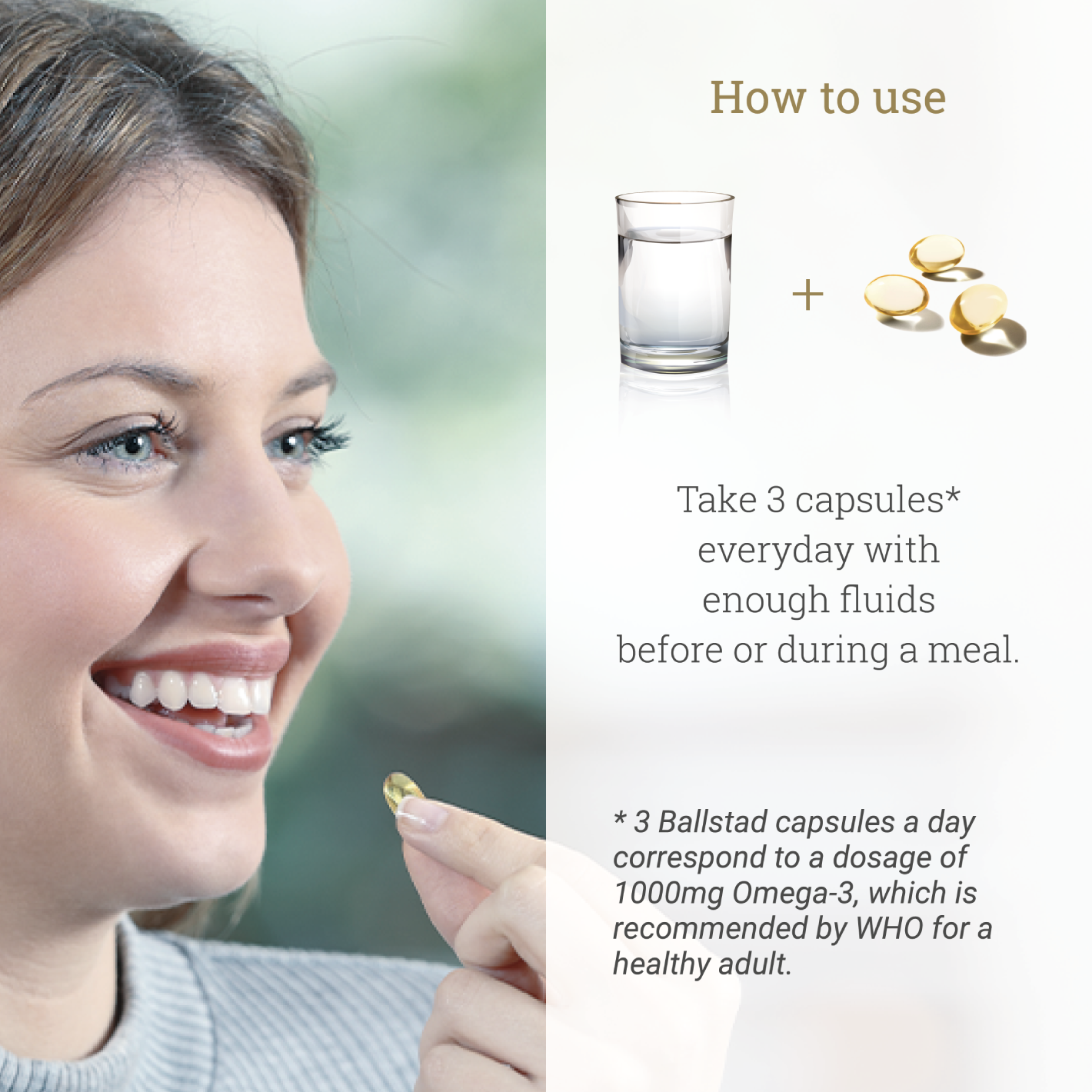
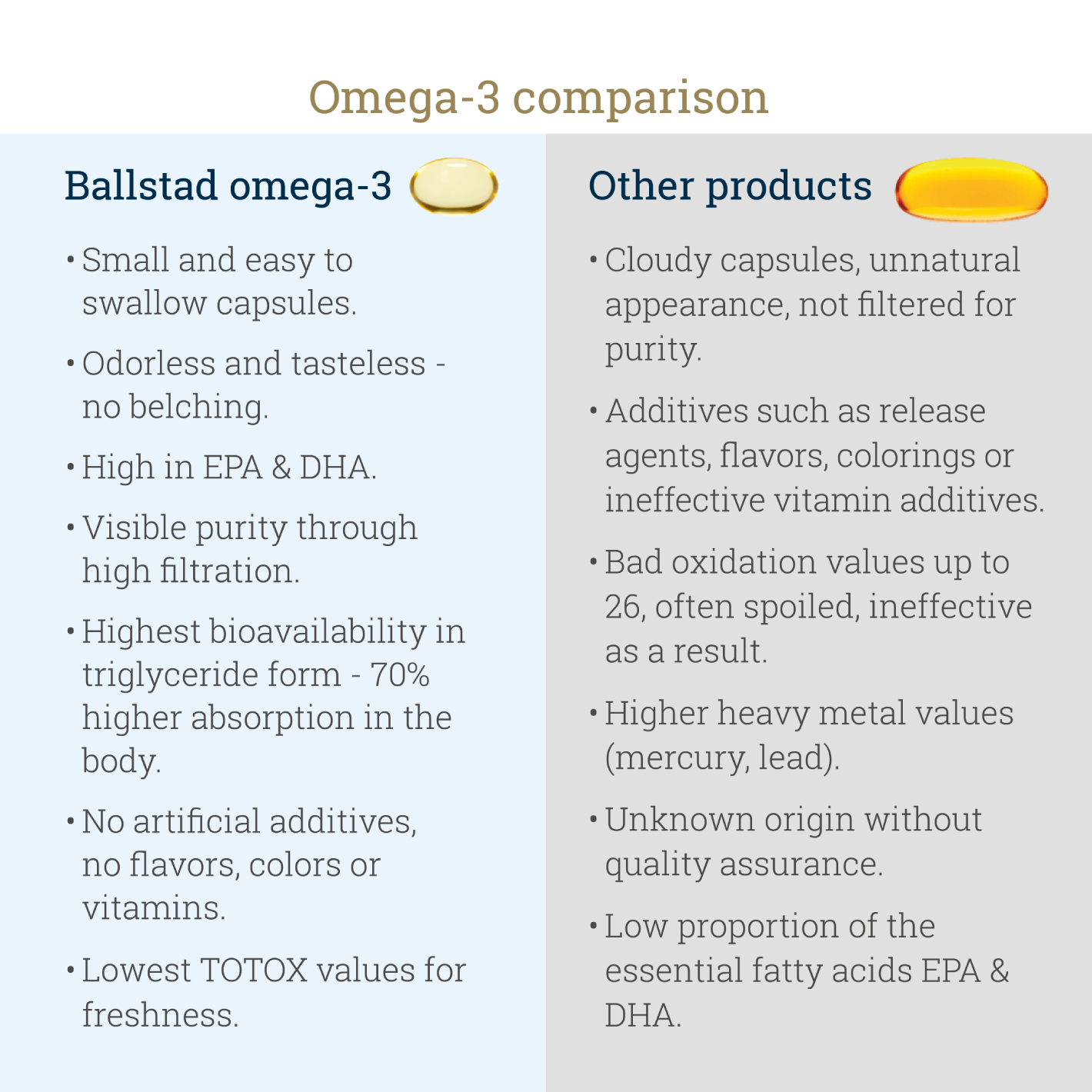
Omega 3 fatty acids — especially DHA and EPA — are known for their role in supporting normal brain function. Research suggests they are involved in processes related to:
• Stress responses
• Mood regulation
• Cognitive clarity
• Neural communication
These functions influence how we interpret internal signals, including cravings.
This does not mean Omega 3 “stops” cravings. But it does mean Omega 3 is part of a nutritional foundation that supports the brain during stress, fatigue, and emotional overload — the very states that often trigger late night snacking.
Omega 3 is widely recognized as an important nutrient for the brain. It is commonly included in routines that support everyday well being, alongside:
• Balanced meals
• Regular sleep
• Stress management habits
• Movement and exercise
When the brain feels supported, choices often feel easier. Not forced. Just more natural.
Balance first. The rest follows.
Understanding cravings through the lens of brain function — rather than willpower — helps reframe the entire experience.
• Stress hormones can mimic hunger.
• Emotional overload can trigger reward seeking.
• Fatigue can make quick energy foods feel irresistible.
Supporting the brain with nutrients like DHA and EPA provides a helpful framework for interpreting these signals more clearly.
Want to learn more about Omega-3? We have a lot more to say about it – check out our other blogs about Omega-3 here.
Scientific References used in this article:
These references support the general scientific context around omega 3, brain function, and stress related processes. They do not imply treatment or prevention of any condition.
• Bazinet, R. P., & Layé, S. (2014). Polyunsaturated fatty acids and their metabolites in brain function and disease. Nature Reviews Neuroscience, 15(12), 771–785. DOI: 10.1038/nrn3820
• Gómez-Pinilla, F. (2008). Brain foods: the effects of nutrients on brain function. Nature Reviews Neuroscience, 9(7), 568–578. DOI: 10.1038/nrn2421
• EFSA Panel on Dietetic Products (2010). Scientific Opinion on the substantiation of health claims related to DHA and brain function. EFSA Journal, 8(10):1734
• Su, K. P. et al. (2018). Omega3 fatty acids in major depressive disorder. Molecular Psychiatry, 23, 144–157. DOI: 10.1038/mp.2017.115 3 fatty acids in major depressive disorder.
" This content is for informational purposes only and is not intended to diagnose, treat, cure, or prevent any disease. "