
Collagen is the most abundant protein in your body—and the foundation of youthful, firm, and resilient skin. But as we age, collagen levels naturally decrease. What many people do not realize is that certain lifestyle habits can dramatically accelerate this decline.
If you have noticed more fine lines, sagging, or slower skin repair, these five factors may be the reason – in addition to your body producing less collagen naturally. Understanding them is the first step toward protecting your skin and supporting healthy collagen production.
1. Stress: A Silent (Collagen) Killer
Chronic stress increases cortisol, a hormone that directly interferes with collagen synthesis. High cortisol levels can:
• Slow down skin regeneration
• Increase inflammation
• Break down existing collagen fibers
Over time, this leads to premature aging, dullness, and reduced elasticity. It is a well-known fact that stress and its symptoms are affecting our overall health. It also affects mood, focus and emotional well-being. Managing stress is not just good for you and your mental health—it is essential for maintaining youthful skin.
2. Smoking: One of the Fastest Ways to Destroy Collagen
Not a surprise with this one as the adverse effects of smoking are well known, however, smoking accelerates collagen breakdown faster than almost any other habit. Chemicals in cigarette smoke:
• Restrict blood flow to the skin
• Damage collagen and elastin
• Deplete Vitamin C - a key nutrient for collagen production
• Increase oxidative stress
Event cutting down the number of cigarettes per day reduces the amount of oxidative stress and collagen damage. Every reduction helps. In addition, prioritizing hydration will not counteract smoking completely, but drinking enough water helps maintain elasticity and supports the skin’s natural repair processes.
3. Unhealthy Diet: Missing the Building Blocks of Collagen
Your body needs specific nutrients to produce collagen. A diet high in processed foods and low in essential vitamins and minerals deprives your skin of what it needs to stay firm and healthy.
Key nutrients for collagen production include:
• Vitamin C - essential for collagen synthesis
• Zinc – known as ‘the beauty mineral’
• Copper - helps form collagen cross links
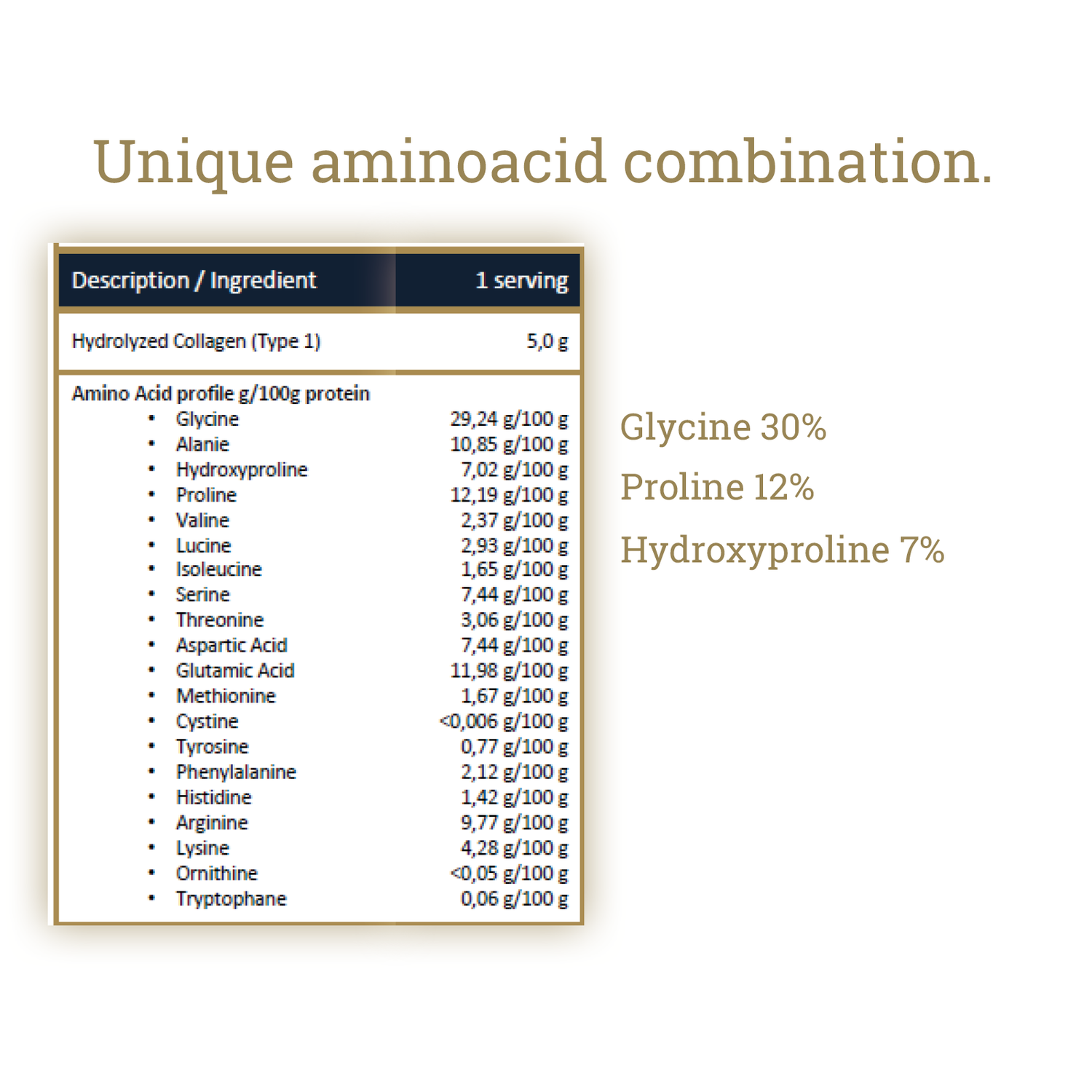
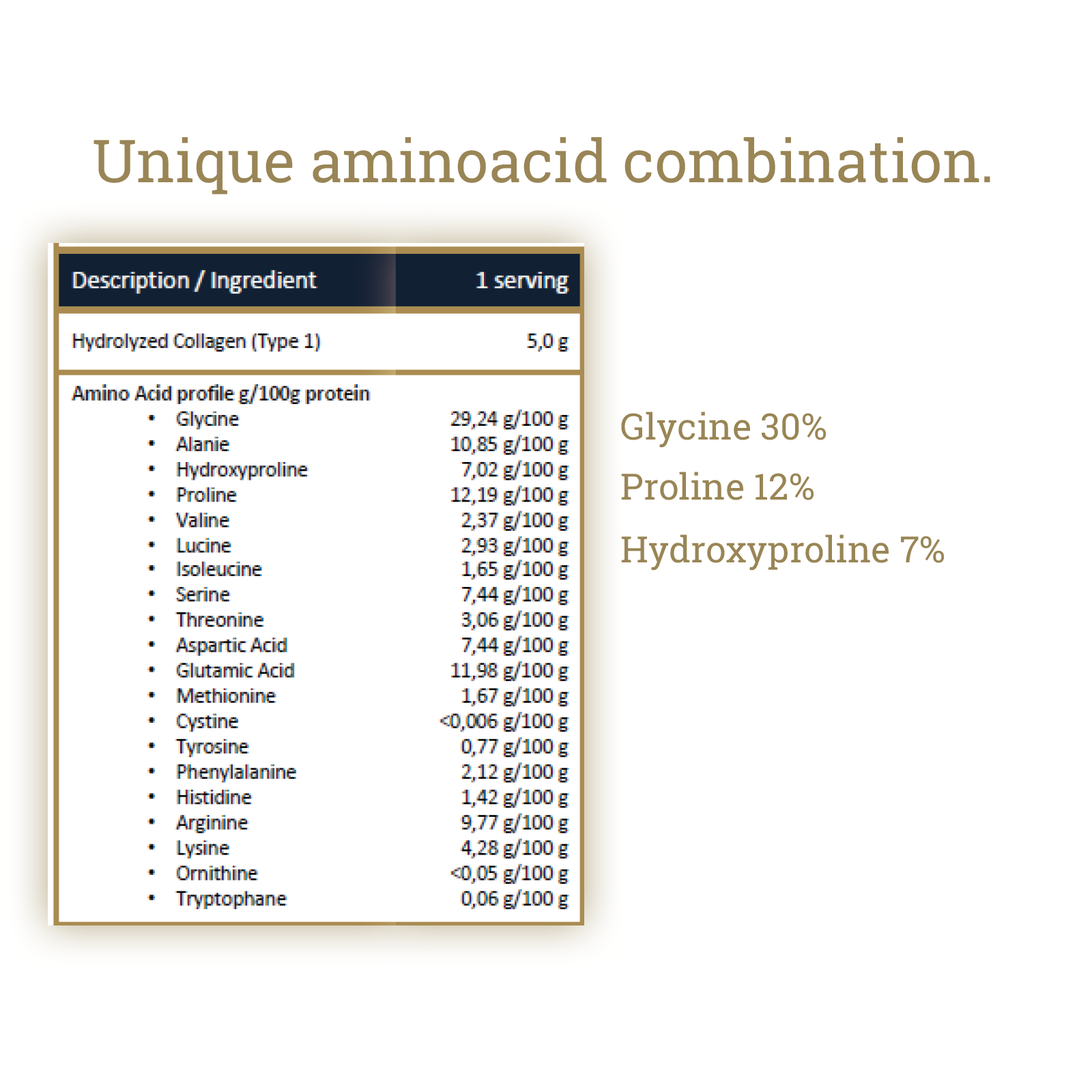
• Amino acids like proline and glycine - found in protein rich foods
When you nourish your body with nutrient-dense foods, you help your skin stay:
More hydrated, more elastic, better protected against environmental stress and it will show signs of aging slower. Read more about why nutrition matters here.
Food is truly one of the most powerful foundations of skin wellness. A nutrient dense diet supports natural collagen formation and overall skin health.
4. Sugar: Accelerating Skin Aging Through Glycation
Excess sugar triggers glycation, a process where sugar molecules bind to collagen fibers, making them stiff, brittle, and prone to breaking.
This leads to:
• Loss of elasticity
• Sagging skin
• More visible wrinkles
Reducing added sugar is one of the most effective anti aging strategies you can adopt.
5. Sun Exposure: The #1 External Cause of Collagen Breakdown
UV radiation activates enzymes called MMPs (matrix metalloproteinases) that break down collagen and prevent new collagen from forming.
This results in:
• Premature aging
• Hyperpigmentation
• Fine lines and deep wrinkles
• Rough, uneven texture
Research shows that UV radiation harms fibroblasts, the cells responsible for making collagen and elastin. Studies demonstrated that UV exposure reduces fibroblast function and collagen synthesis.
Result: Not only is collagen broken down faster — the skin also produces less of it.
Daily SPF is non negotiable if you want to protect your collagen and maintain youthful skin.
How to Support Healthy Collagen Levels
The good news? You can slow collagen loss and support your skin’s natural repair process by making intentional lifestyle changes:
• Manage stress
• Avoid smoking
• Eat a nutrient rich diet
• Reduce sugar intake
• Wear sunscreen daily
Small, consistent habits make a big difference in long term (skin) health.
If you want to read more about collagen and how it is produced, please have a look at our blog about Collagen Synthesis.
"This content is for informational purposes only and is not intended to diagnose, treat, cure, or prevent any disease."
Scientific References used in this article:
These references support the general scientific context around omega 3, brain function, and stress related processes. They do not imply treatment or prevention of any condition.
References:
https://www.mayoclinic.org/healthy-lifestyle/stress-management/in-depth/stress-symptoms/art-20050987?utm_source=copilot.com
https://academic.oup.com/ijfst/article/60/1/vvaf119/8152715?utm_source=copilot.com&login=false
https://biologyinsights.com/glycation-and-aging-how-sugar-accelerates-the-process/?utm_source=copilot.com
https://pubmed.ncbi.nlm.nih.gov/11332033/
https://pmc.ncbi.nlm.nih.gov/articles/PMC3583891/