
A joint perspective by Ballstad & the Brain & Cognition Clinic
Collagen has become one of the most discussed nutrients in the fields of recovery, mobility, and healthy ageing — but its role in neuromuscular health is often misunderstood. Together with the Brain & Cognition Clinic, we explore how high purity collagen, sourced from Norway’s pristine environment, supports the body’s interconnected systems: muscles, tendons, joints, the gut, and ultimately the brain.
This article breaks down the evidence behind collagen’s effects, using the infographic you’ve seen circulating online — and places it in the broader context of the Brain–Gut Axis, a central theme in the Clinic’s recent communication.
The Neuromuscular System: More Than Muscle Growth
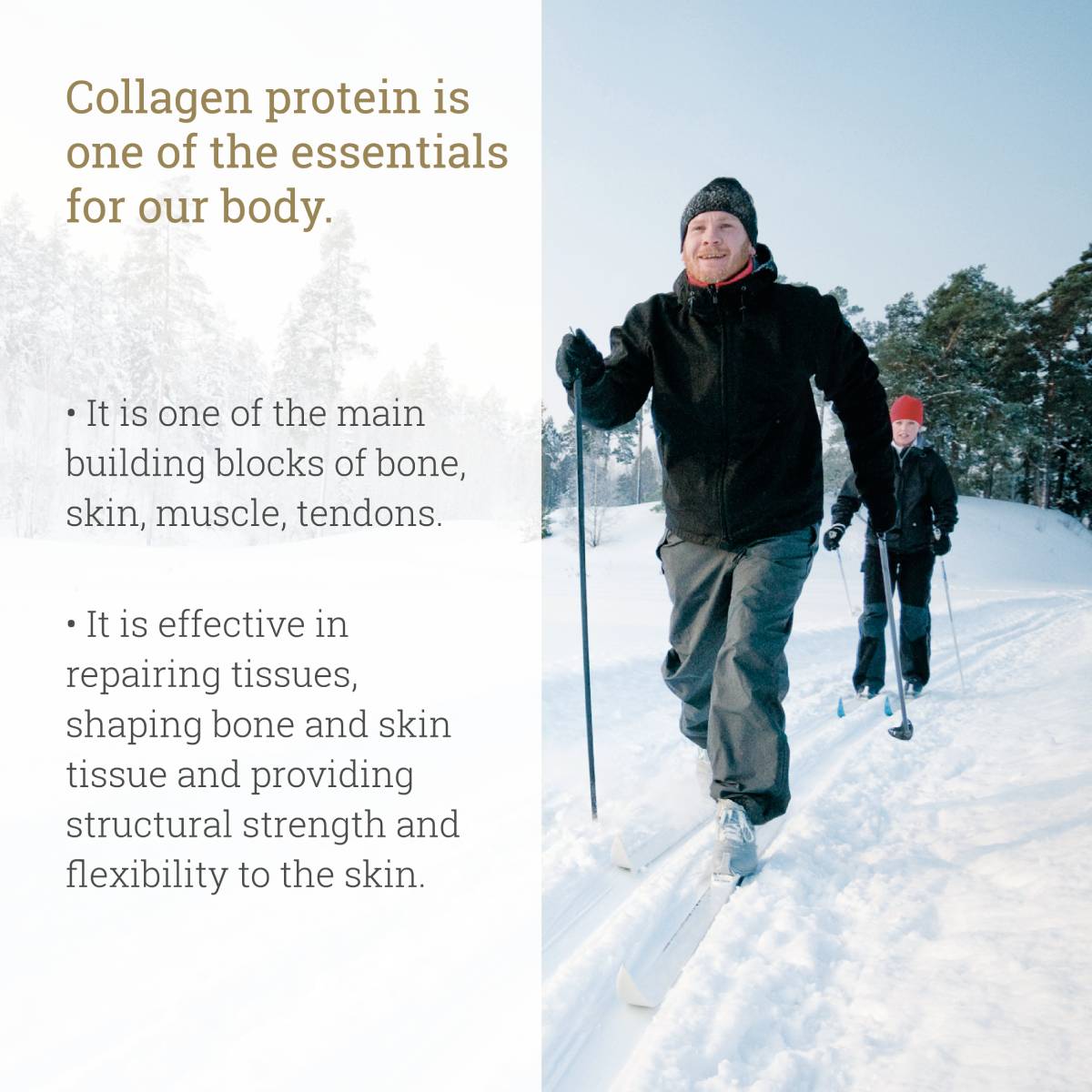
The neuromuscular system is a network of muscles, nerves, connective tissues, and signalling pathways. While many people associate collagen with skin or beauty, its structural role in the neuromuscular system is far more relevant for performance, mobility, and long term resilience.
The infographic highlights five key domains:
1. Muscle Protein Synthesis — Weak Evidence
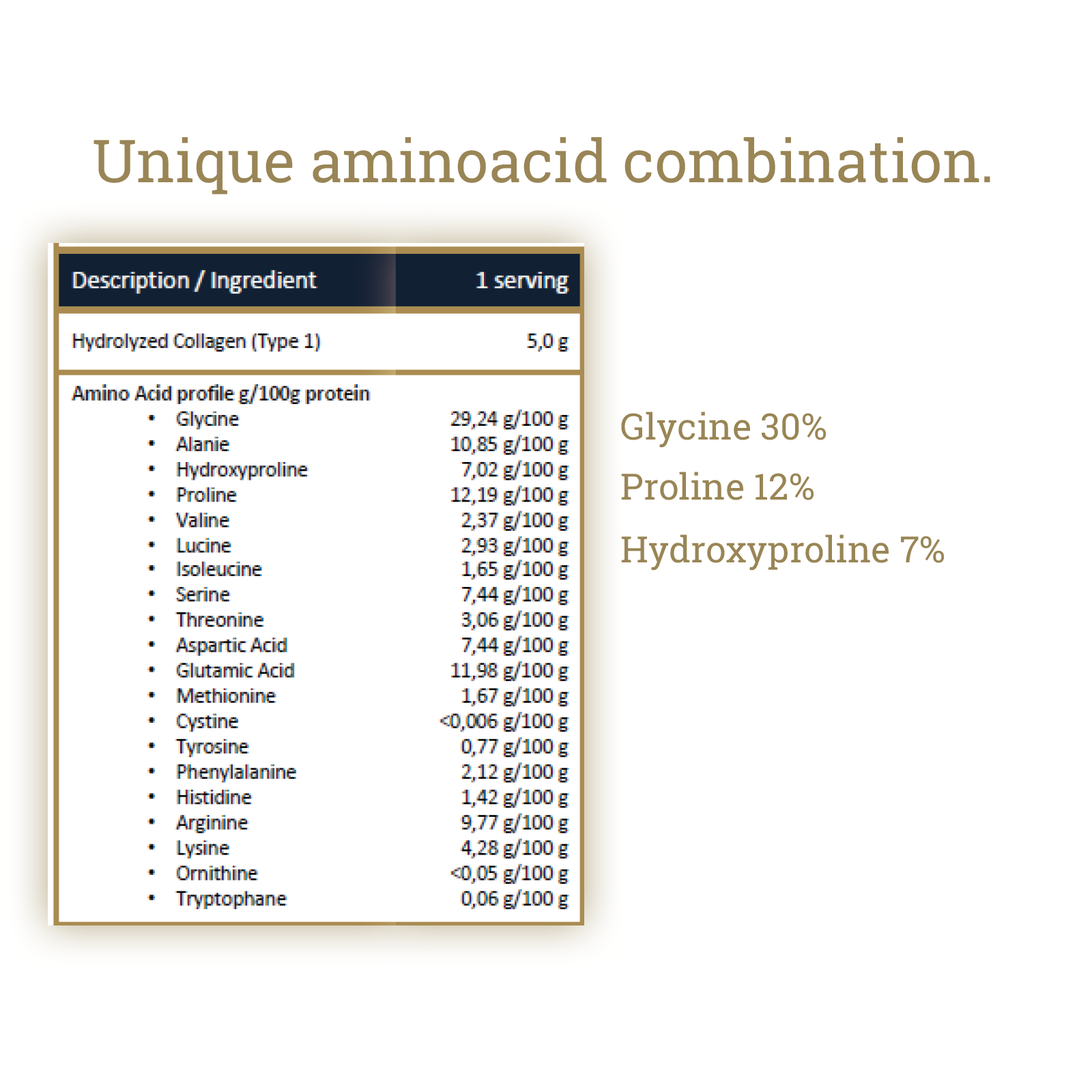
Collagen is not a complete protein and lacks the amino acid profile required to drive muscle hypertrophy. Whey or other complete proteins outperform collagen for pure muscle building goals. Reference: Shaw et al., 2017; Lis et al., 2021.
2. Muscle Mass & Strength — Modest Benefit
When combined with resistance training, collagen can support small but meaningful improvements in strength and lean mass — especially in older adults or those recovering from injury. Reference: Zdzieblik, Oesser & Gollhofer, 2015.
3. Tendon & Connective Tissue Support — MODERATE Evidence
This is where collagen shines. Research consistently shows benefits for tendon repair, connective tissue integrity, and load tolerance. Reference: Baar, 2019; Heinemeier & Kjaer, 2011.
4. Joint Comfort & Mobility — MODERATE Evidence
Collagen supplementation may reduce joint discomfort, improve mobility, and support cartilage health. These effects are particularly relevant for ageing populations and individuals with high training loads. Reference: Clark et al., 2008; Bello & Oesser, 2006.
5. Overall Neuromuscular Support — Modest
Direct effects on nerves are low, but indirect benefits — through tendons, joints, and connective tissues — create a modest but meaningful contribution to neuromuscular resilience. Reference: Kirmse et al., 2019.
Why This Matters for Brain Health
The Brain & Cognition Clinic recently highlighted a crucial point: The Brain–Gut Axis is one of the most influential variables in cognitive enhancement and rehabilitation.
Scientific literature strongly supports this connection:
• The gut communicates with the brain via neural, immune, and endocrine pathways (Cryan et al., 2019).
• The vagus nerve forms a direct communication line between gut and brain (Mayer, 2011).
• Gut inflammation and microbiome imbalance influence mood, cognition, and neurological resilience (Foster & McVey Neufeld, 2013).
• Short chain fatty acids produced in the gut influence brain signalling (Dalile et al., 2019).
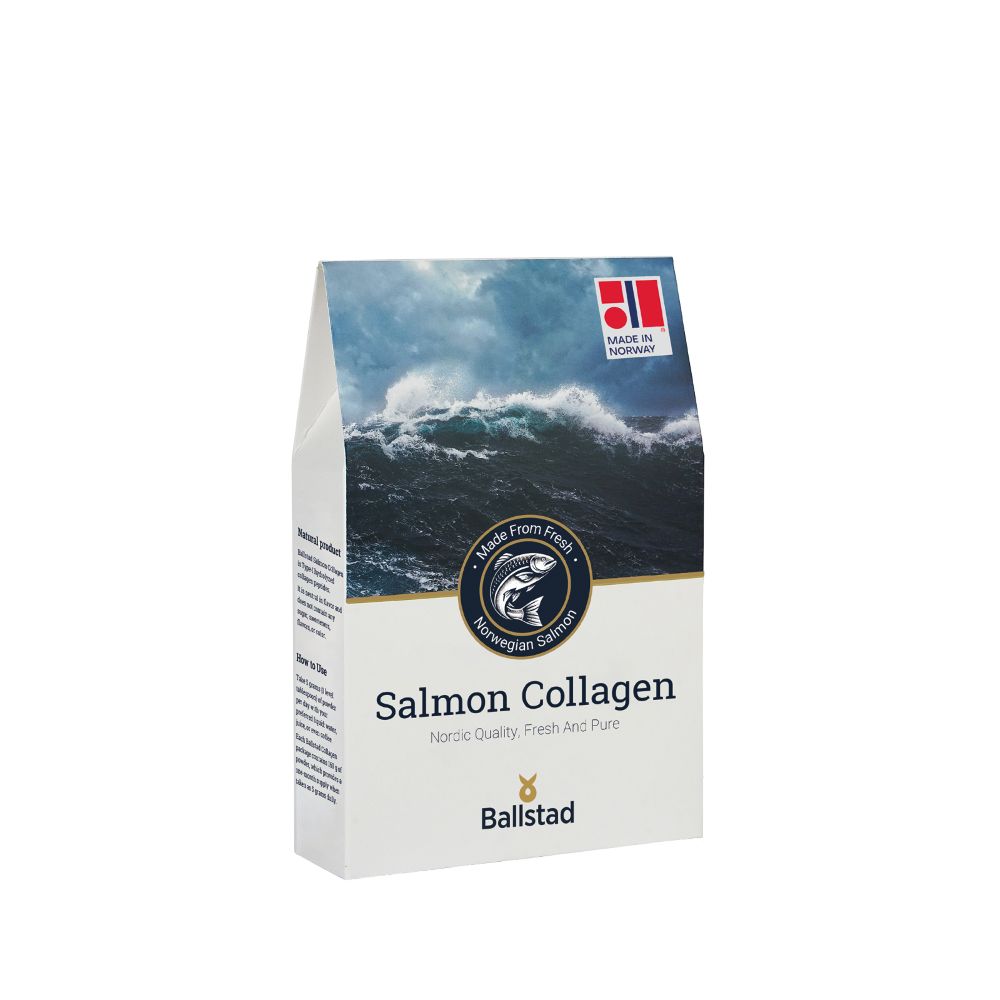
This is why the Clinic emphasises pure, traceable, clean label products, steering away from supermarket grade supplements with questionable origins. Their search for purity led them to Norway — and to Ballstad.
Why Ballstad Collagen?
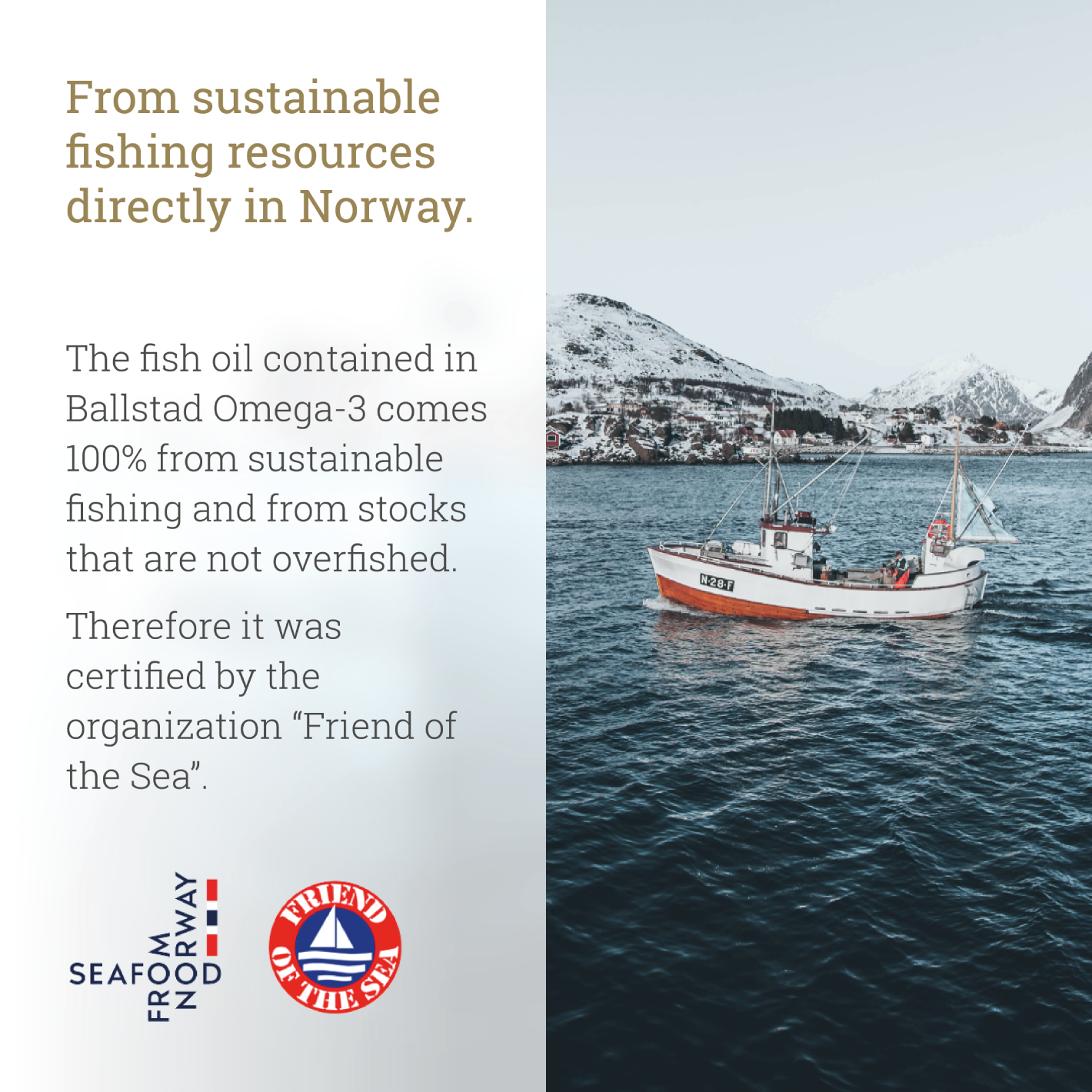
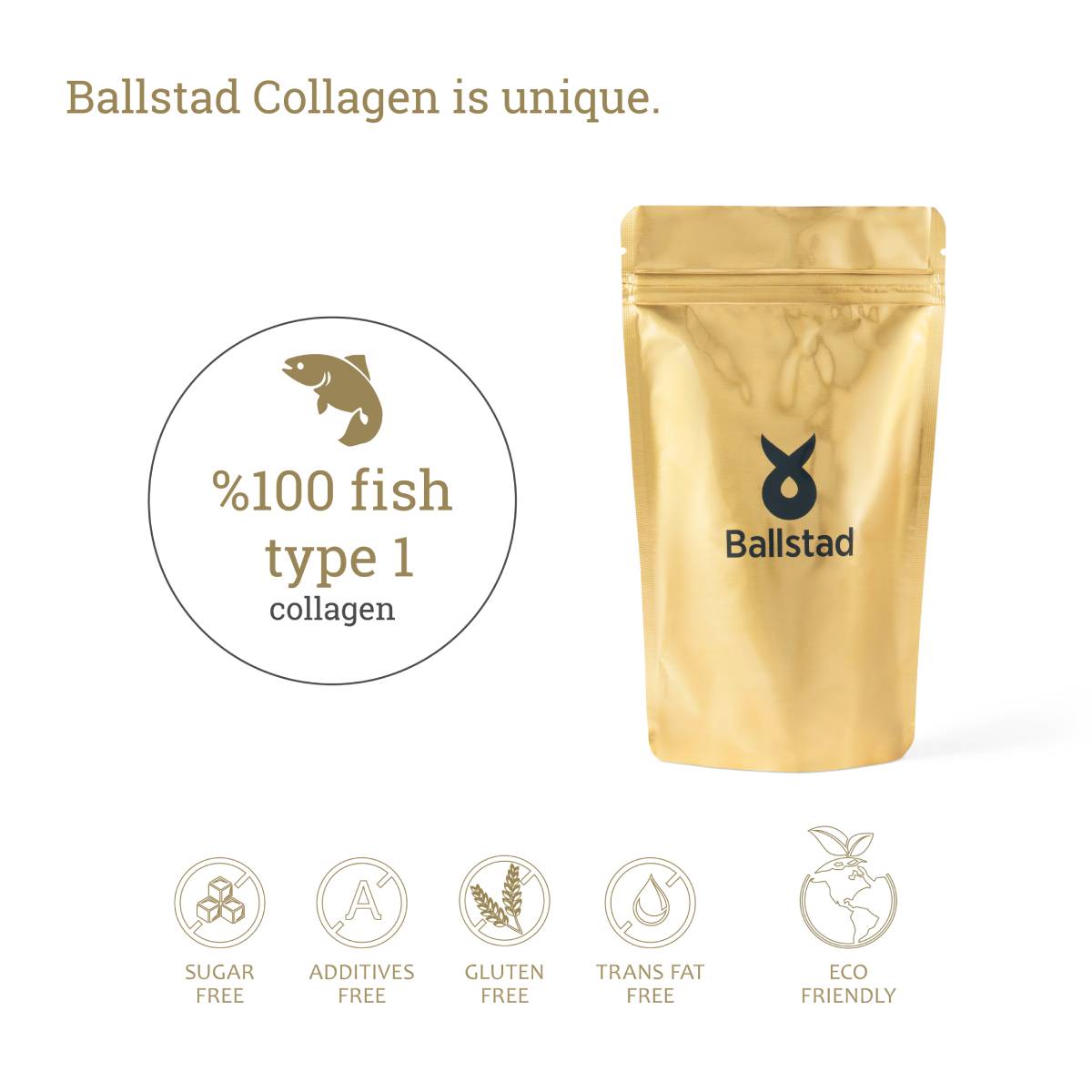
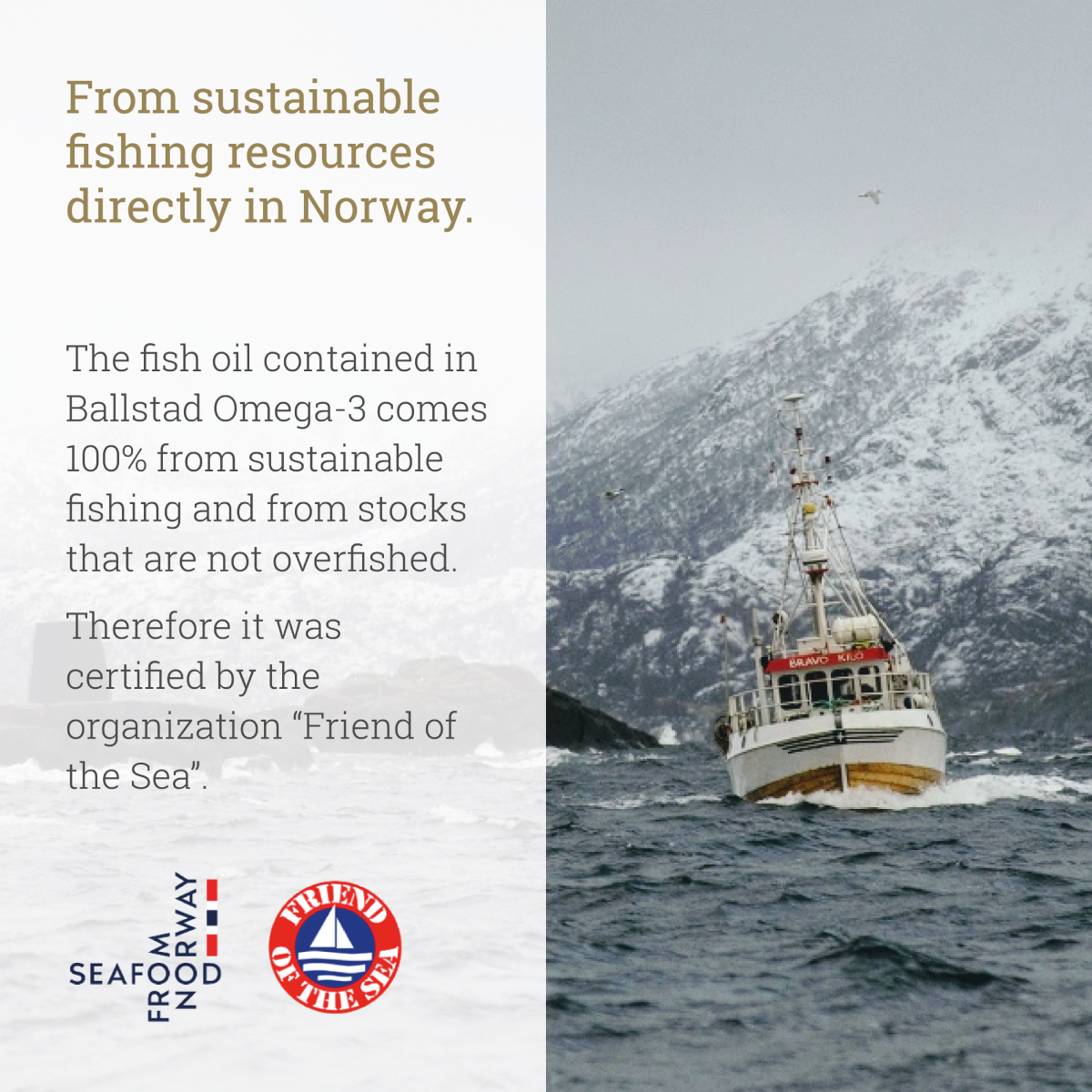
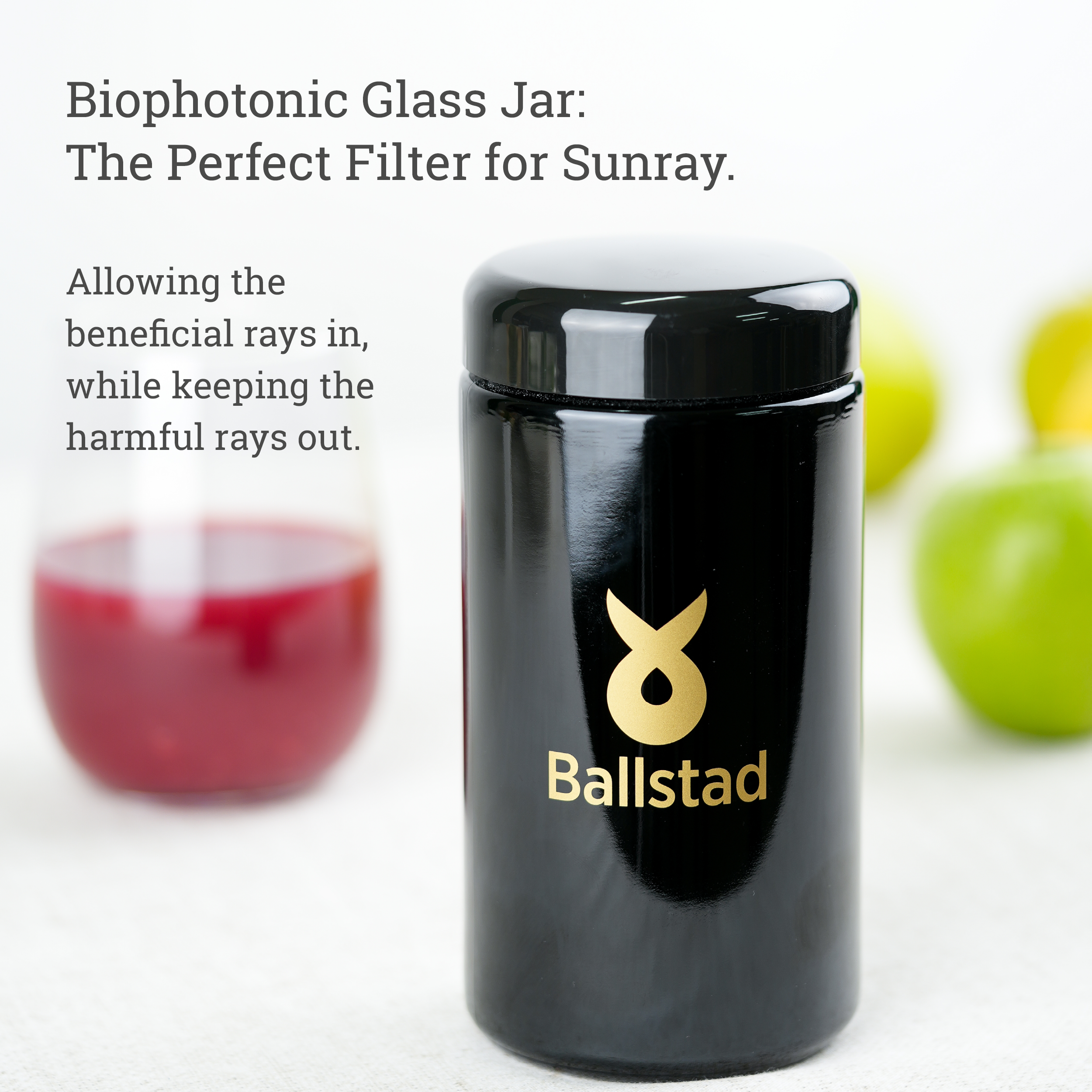
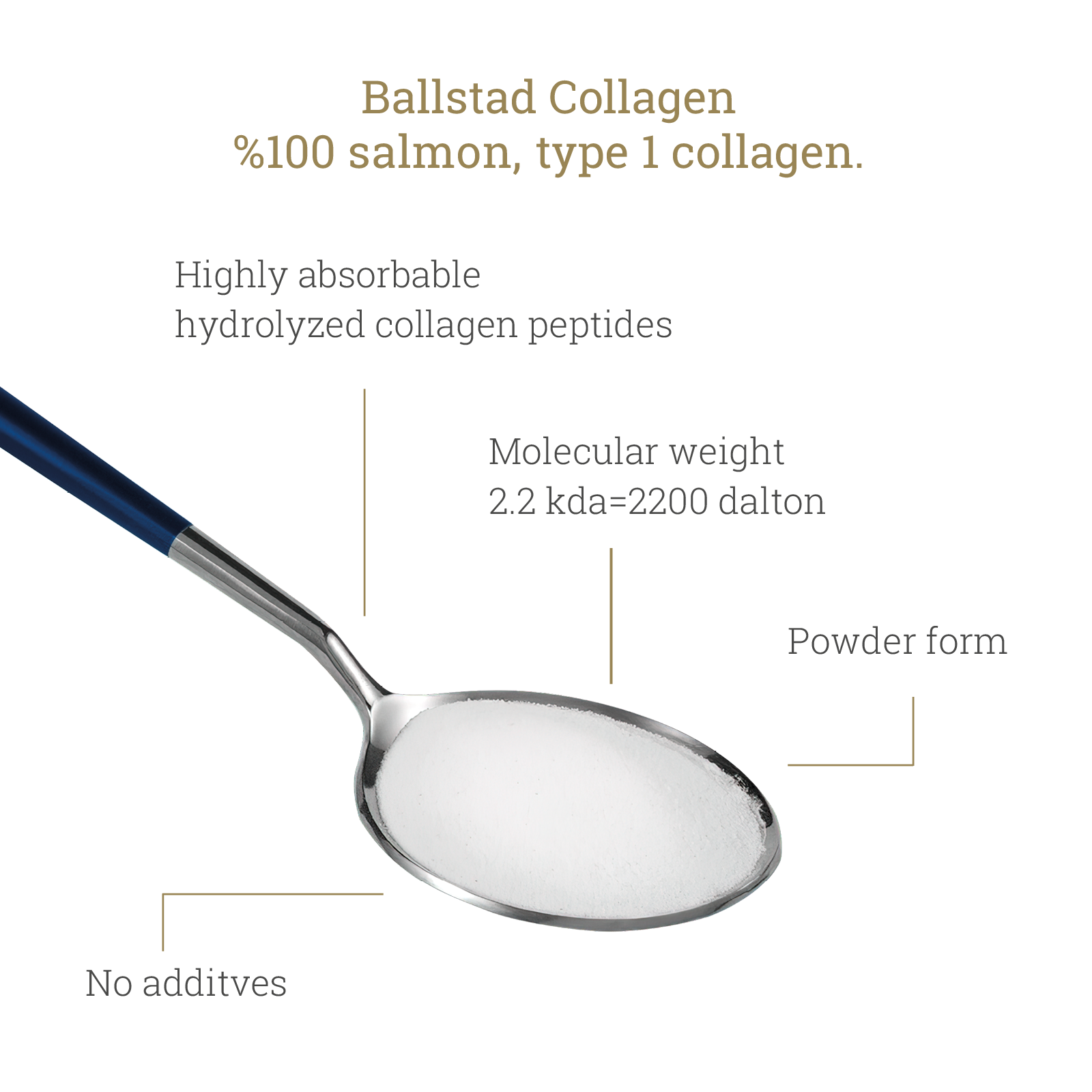
Ballstad’s collagen is produced from Norwegian salmon, sourced from cold, clean waters with strict environmental stewardship. This aligns with the Clinic’s requirement for:
• Purity
• Traceability
• Minimal processing
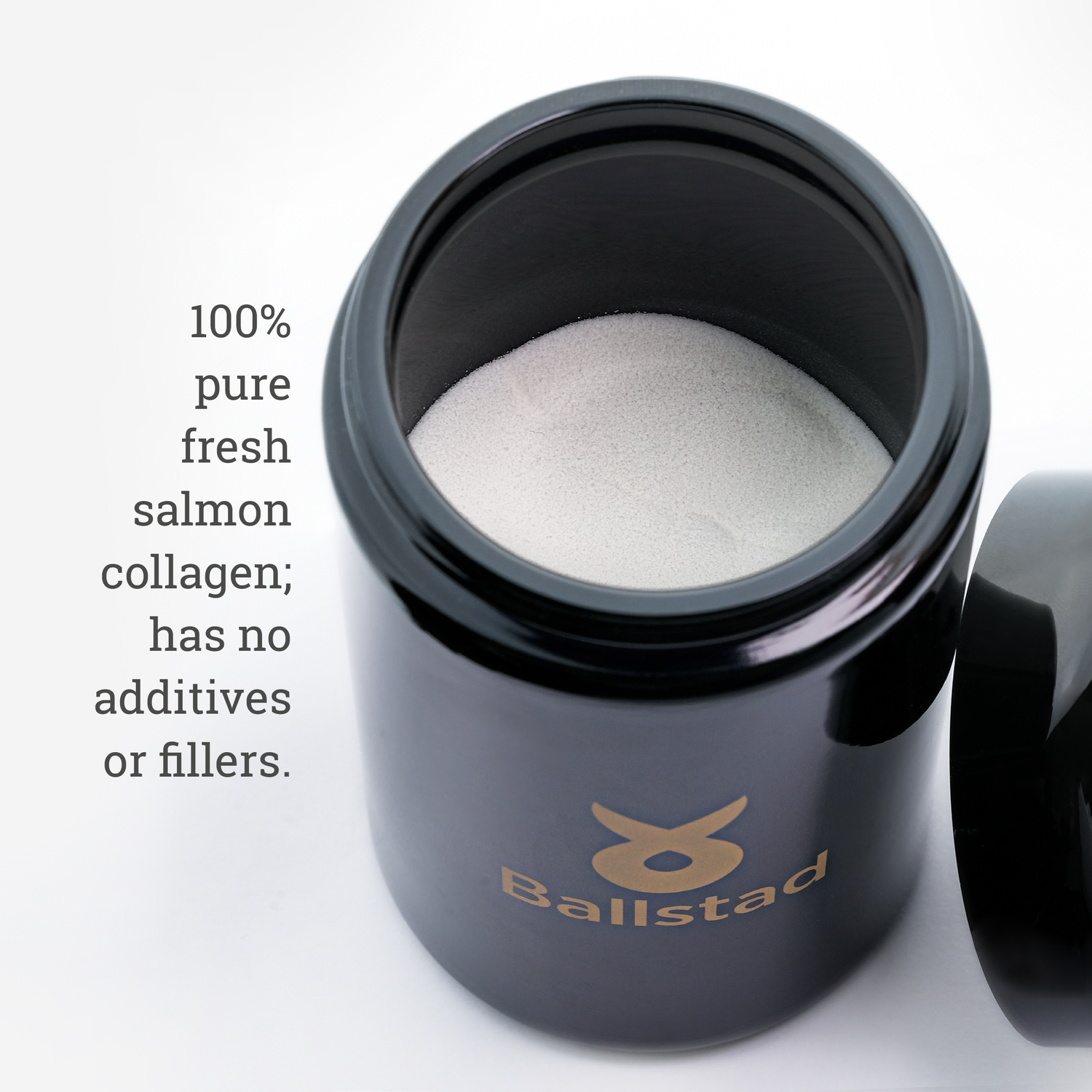
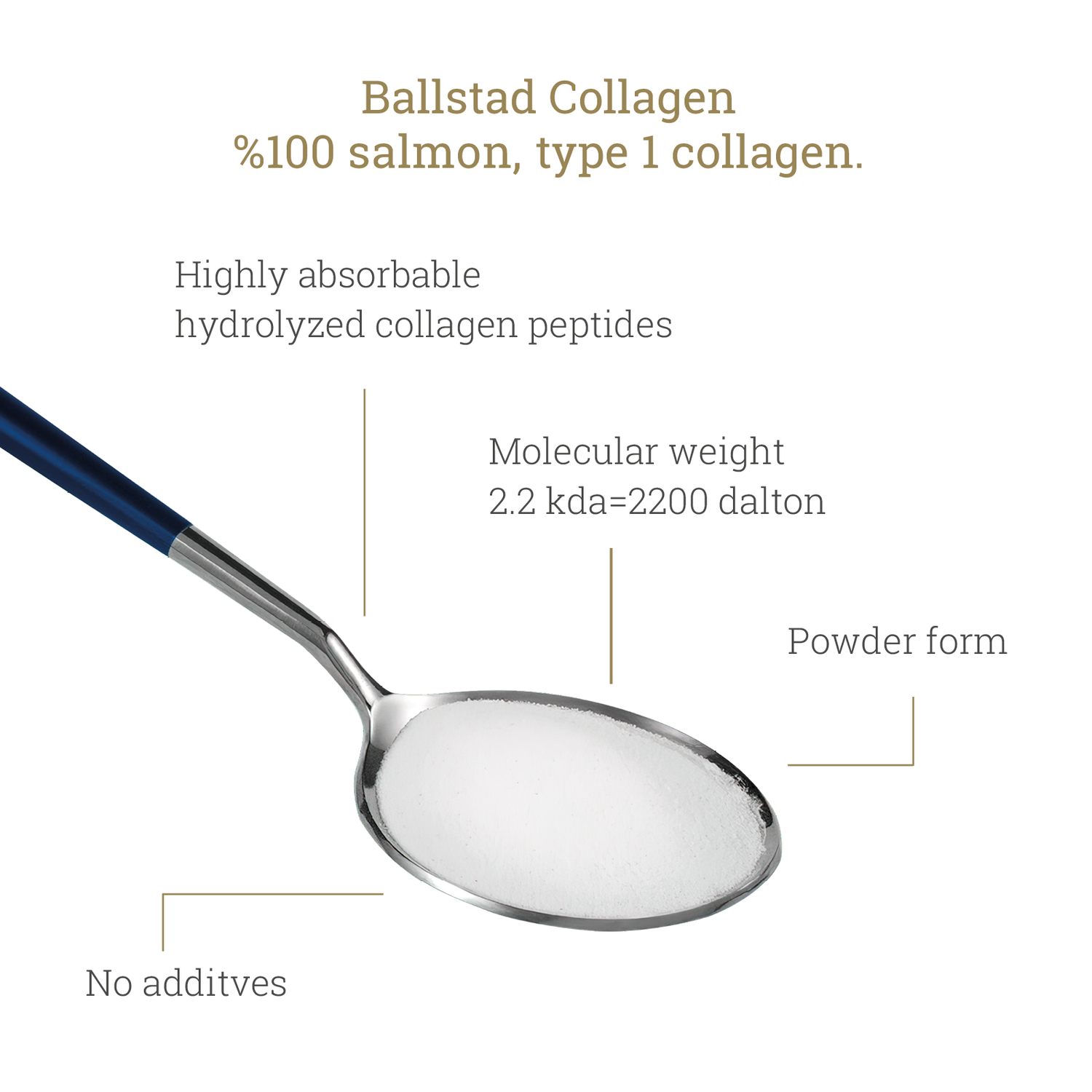
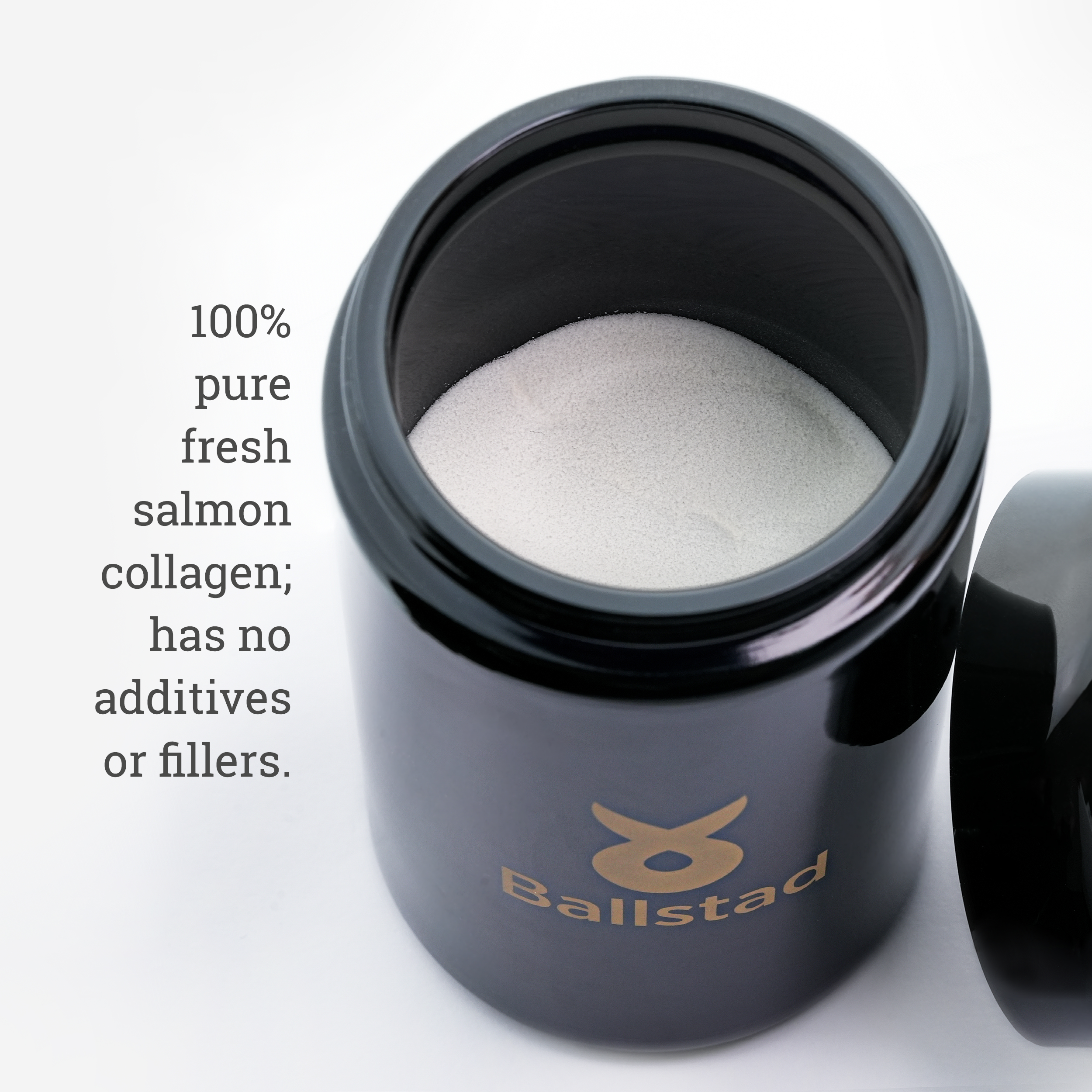
• No fillers or additives
• High bioavailability
These values are not marketing slogans — they are prerequisites for clinical application in cognitive and neuromuscular rehabilitation.
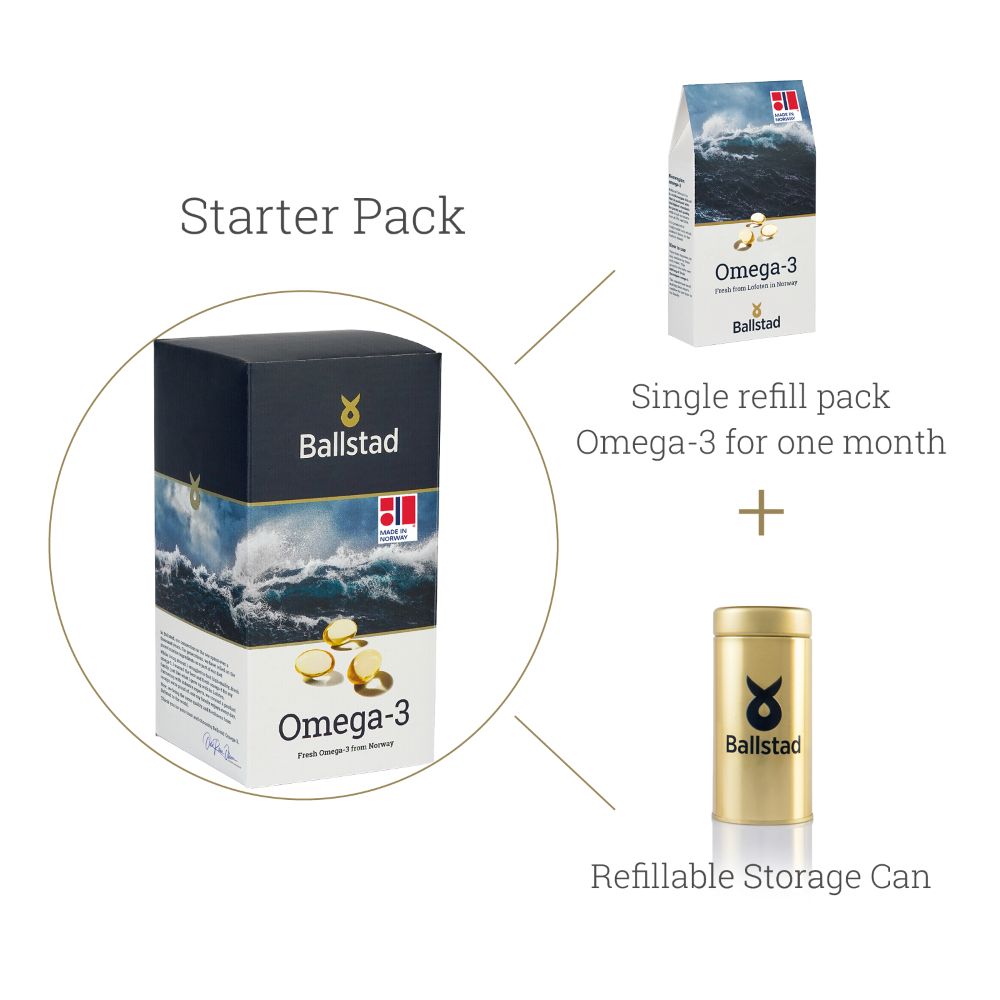
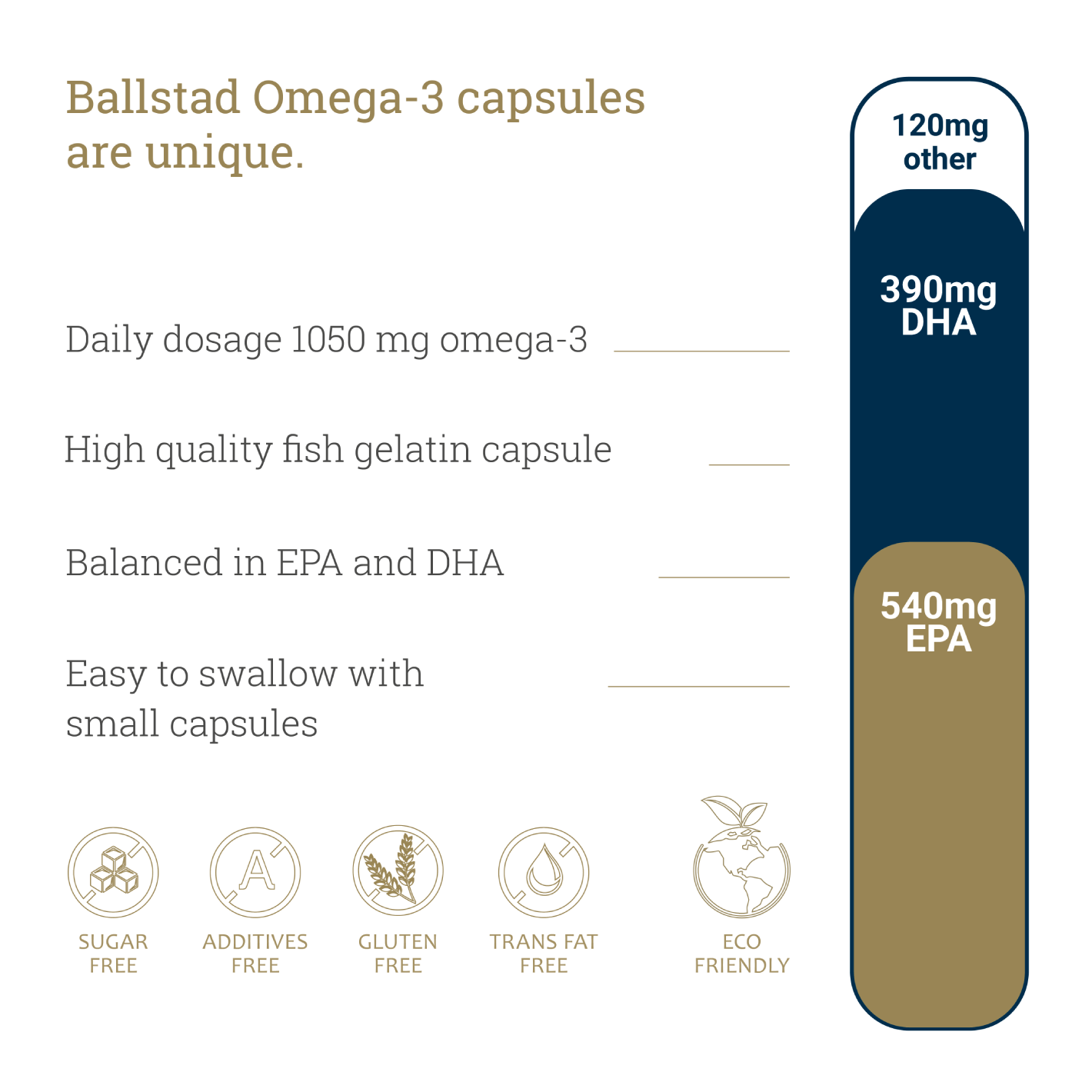
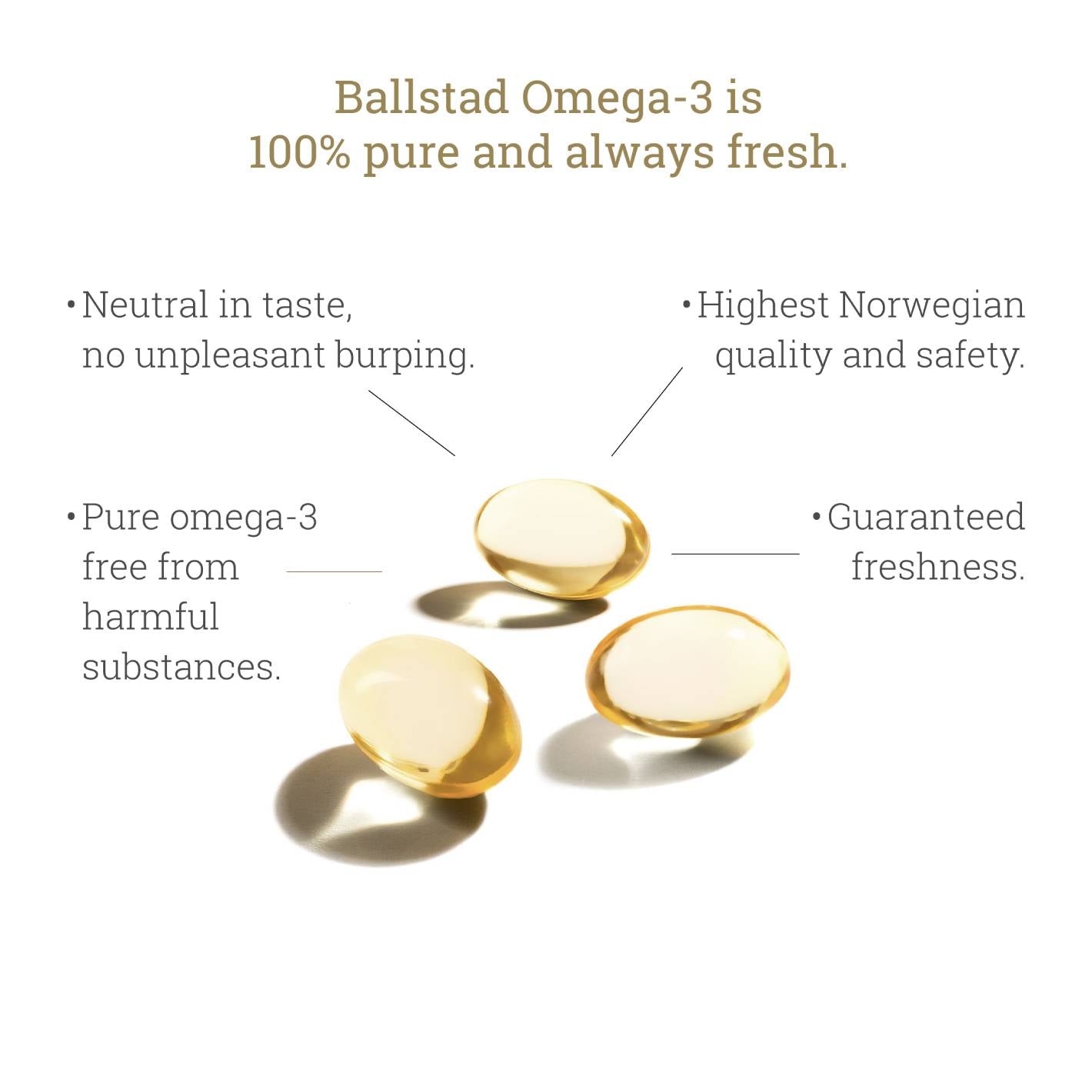
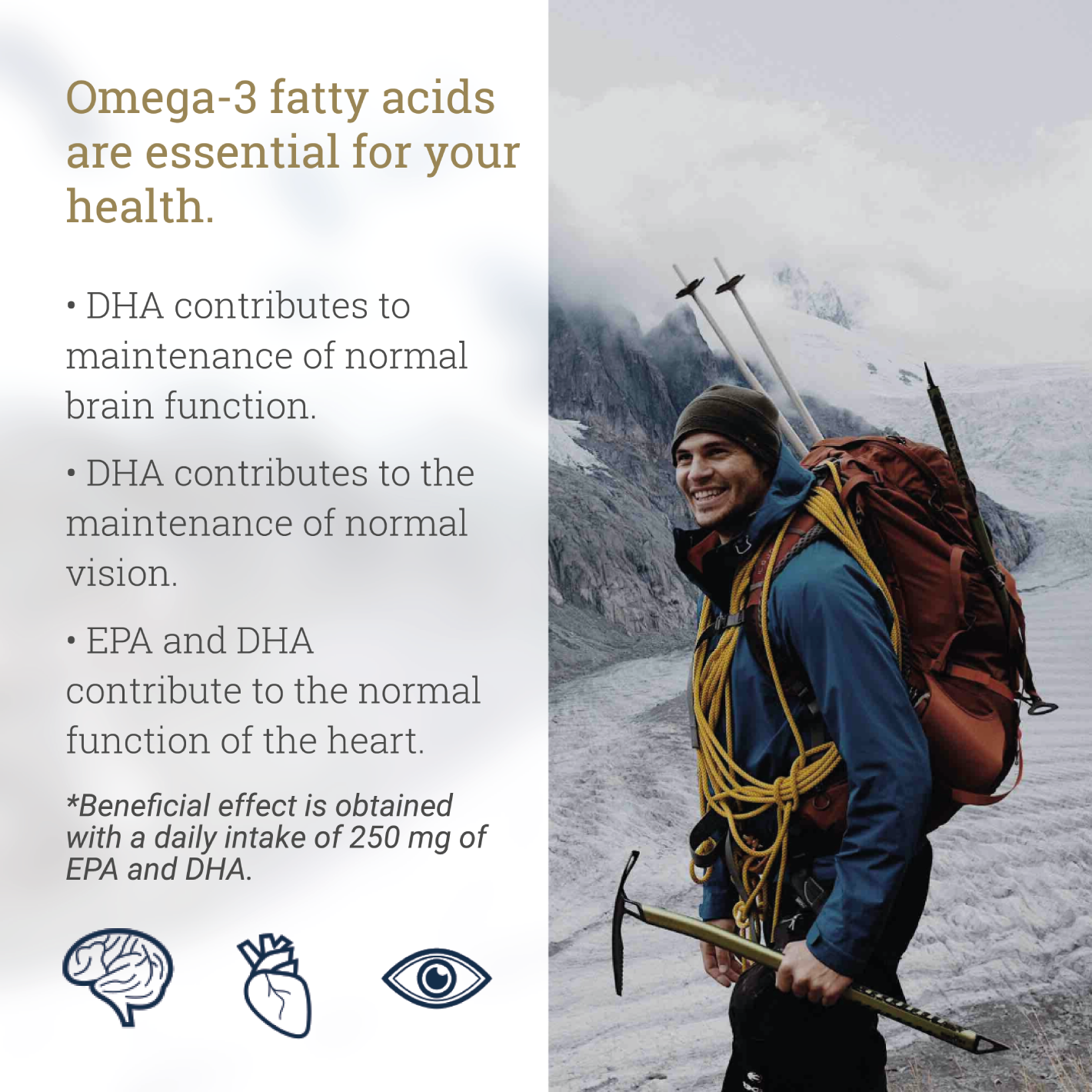
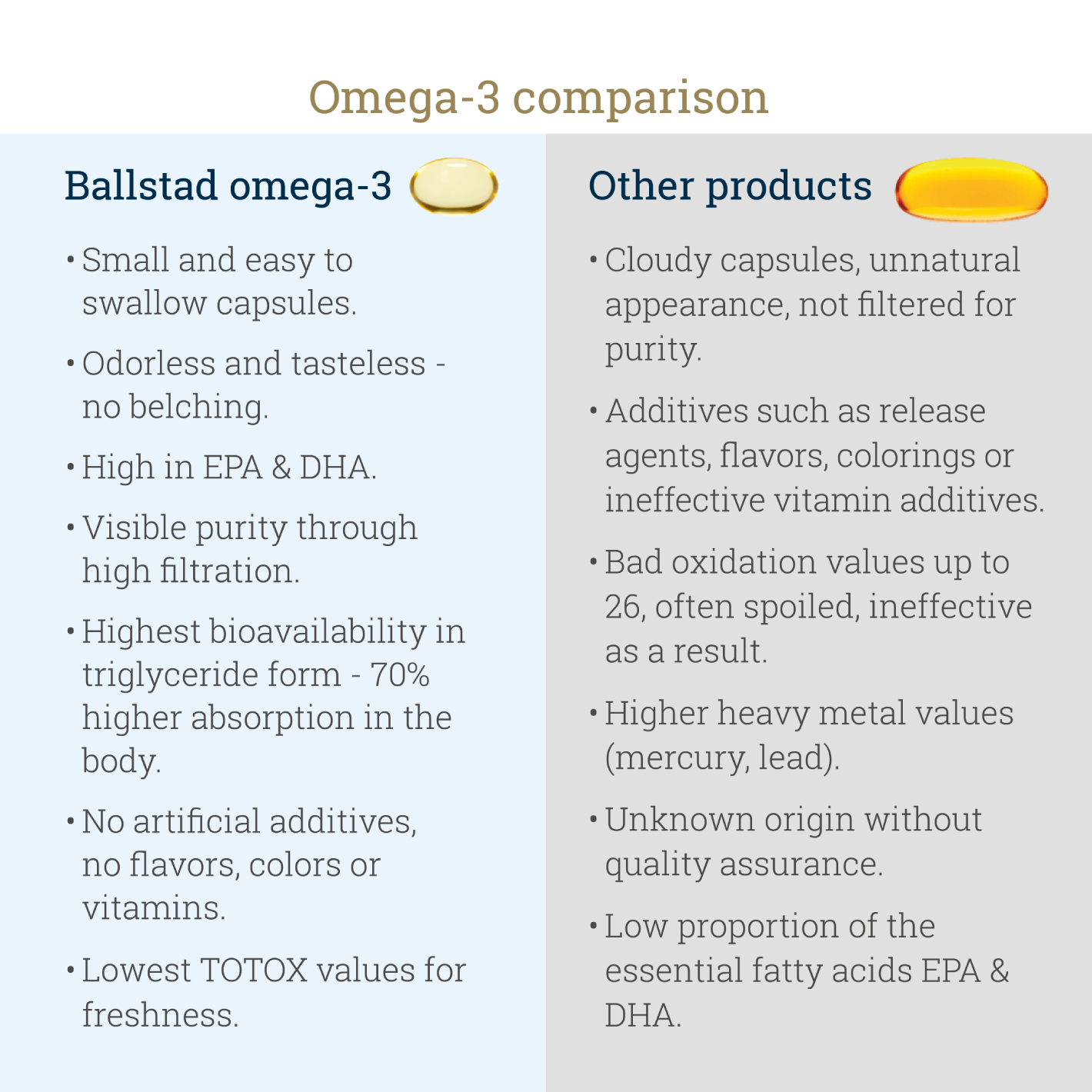
Omega 3 also plays a central role in brain and neuromuscular health, with strong evidence supporting its anti inflammatory and cognitive benefits (Bazinet & Layé, 2014; Calder, 2015; Yurko Mauro et al., 2010).
A New Phase of Collaboration
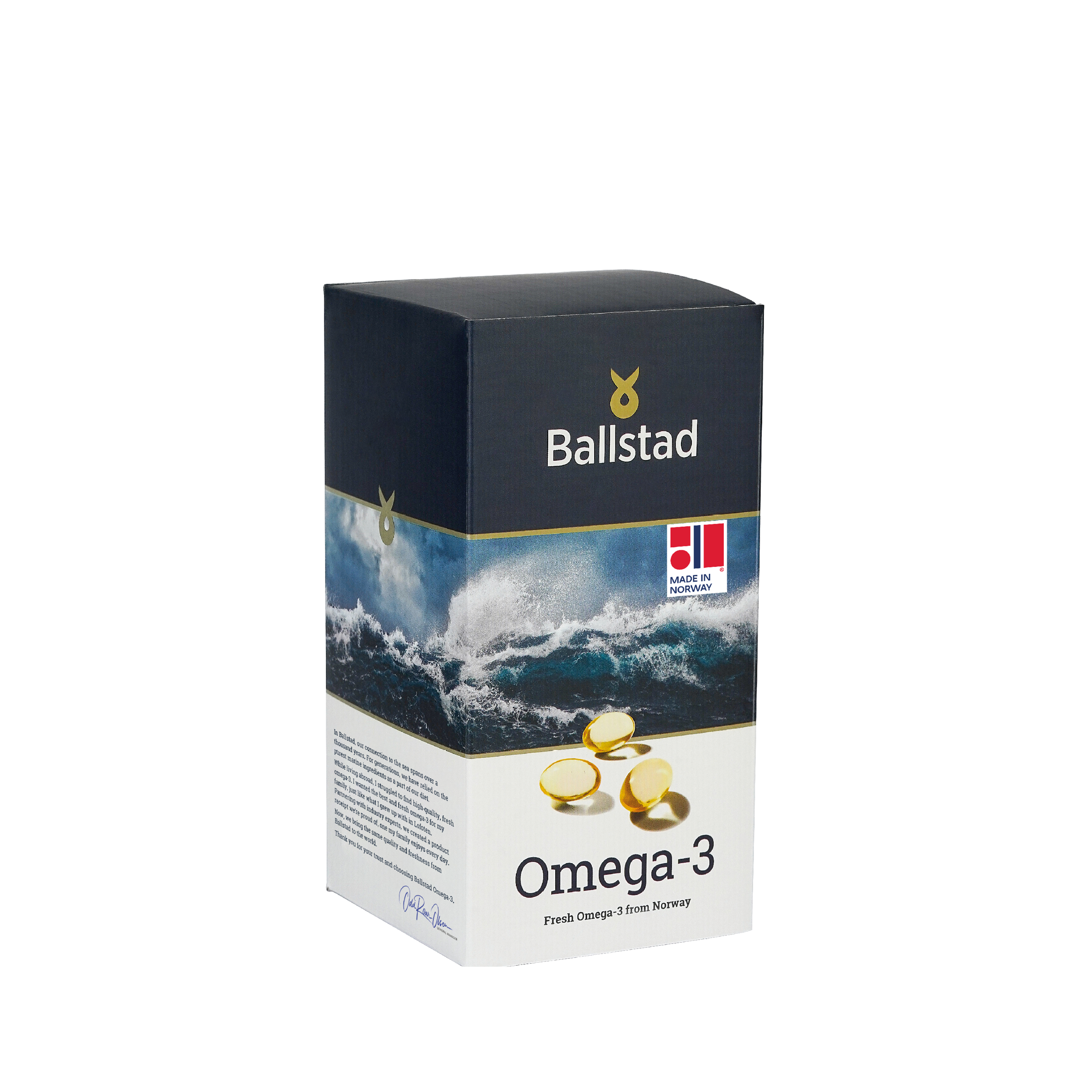
The Brain & Cognition Clinic has now integrated Ballstad Omega-3 and Ballstad Salmon Collagen into their next stage of Brain & Gut Health protocols. This includes:
• Supporting neuromuscular recovery
• Enhancing connective tissue resilience
• Reducing inflammatory load
• Improving gut environment
• Strengthening the Brain–Gut Axis
Their work also includes innovative approaches such as ozonated water to reduce intestinal biofilm mass — an emerging area of interest in gut brain research.
Together, we are committed to sharing ongoing findings, clinical observations, and educational materials as this collaboration evolves.
Bottom Line
Collagen is not a primary muscle building supplement — but it is a powerful ally for:
• Tendon health
• Joint comfort
• Connective tissue repair
• Mobility
• Recovery
• Indirect neuromuscular support
And when combined with high purity omega 3s and a gut focused clinical approach, collagen becomes part of a broader strategy for whole body and brain health.

References
Collagen & Neuromuscular Health
• Shaw, G. et al. (2017). Vitamin C–enriched gelatin supplementation before intermittent activity augments collagen synthesis. AJCN.
• Lis, D. M. et al. (2021). Collagen supplementation: A systematic review of athletic performance and recovery outcomes. IJSNEM.
• Kirmse, M. et al. (2019). Oral collagen supplementation improves skin biomechanics and joint pain. Nutrients.
• Zdzieblik, D., Oesser, S., & Gollhofer, A. (2015). Collagen peptide supplementation with resistance training improves body composition and strength in elderly men. BJN.
• Baar, K. (2019). Minimizing injury and maximizing return to play. Sports Medicine.
• Clark, K. L. et al. (2008). Collagen hydrolysate in athletes with joint pain. CMRO.
• Bello, A. E. & Oesser, S. (2006). Collagen hydrolysate for osteoarthritis and joint disorders. Seminars in Arthritis & Rheumatism.
• Heinemeier, K. M. & Kjaer, M. (2011). Tendon responses to mechanical loading. JAP.
Brain–Gut Axis & Cognitive Health
• Cryan, J. F. et al. (2019). The microbiota–gut–brain axis. Physiological Reviews.
• Mayer, E. A. (2011). Gut feelings: The biology of gut–brain communication. Nature Reviews Neuroscience.
• Foster, J. A. & McVey Neufeld, K. A. (2013). Microbiome influences on anxiety and depression. Trends in Neurosciences.
• Dalile, B. et al. (2019). Short chain fatty acids in gut–brain communication. Nature Reviews Gastroenterology & Hepatology.
Omega 3, Inflammation & Neurological Function
• Bazinet, R. P. & Layé, S. (2014). PUFAs and brain function. Nature Reviews Neuroscience.
• Yurko Mauro, K. et al. (2010). DHA and cognition in age related decline. Alzheimer’s & Dementia.
• Calder, P. C. (2015). Marine omega 3s and inflammation. PLEFA.