
Kollagen har blitt et av de mest omtalte velværetemaene de siste årene – men til tross for populariteten, misforstår mange fortsatt hva det faktisk gjør og hvorfor det er viktig. Det finnes også mye feilinformasjon som kan forvrenge hvorfor kollagen er viktig, og hvorfor det bør være en del av din daglige rutine. Enten du er nysgjerrig på hudhelse, leddstøtte eller sunn aldring, spiller kollagen en sentral rolle. Denne artikkelen presenterer fem essensielle fakta alle bør vite om velværetemaer de siste årene – men til tross for populariteten, misforstår mange fortsatt hva det
1. Kollagen er det mest tallrike proteinet i menneskekroppen
Kollagen utgjør omtrent 30 % av alt protein i kroppen, og danner den strukturelle rammen for hud, bein, muskler, sener, leddbånd og bindevev. Det fungerer som kroppens indre stillas, og gir vevet styrke og motstandskraft.
På grunn av sin strukturelle rolle er kollagen essensielt, ikke bare for utseendet, men også for mobilitet, stabilitet og generell fysisk funksjon.
2. Kollagenproduksjonen begynner å avta etter fylte 25 år
Kroppen produserer kollagen naturlig – men produksjonen begynner å avta i midten til slutten av 20-årene, og fortsetter å gradvis reduseres med alderen.
Denne nedgangen bidrar til:
• Redusert hudelastisitet
• Fine linjer og rynker
• Saktere restitusjon etter trening
• Stivere ledd
Livsstilsfaktorer som soleksponering, røyking, dårlig søvn og høyt stress kan akselerere denne nedgangen. Du kan lese mer om hva det faktisk betyr at kollagenproduksjonen avtar i kroppen din når du blir eldre her.
3. Det finnes ikke bare én type kollagen – det finnes mange
Selv om kollagen ofte omtales som om det er en enkelt ingrediens, inneholder kroppen faktisk minst 28 forskjellige typer. De vanligste inkluderer:
|
Kollagentype |
Hovedrolle |
Hvor det finnes |
|
Type I |
Struktur og styrke |
Hud, bein, sener |
|
Type II |
Demping og fleksibilitet |
Brusk, ledd |
|
Type III |
Elastisitet |
Hud, blodkar |
|
Type IV |
Filtrering |
Hudlag, organer |
|
Type V |
Vevsdannelse |
Hår, morkake |
Disse typene skiller seg fra hverandre i struktur og funksjon, og det er derfor ulike kollagentilskudd kan ha forskjellige mål.
4. Formen på kollagen påvirker hvor godt kroppen din tar det opp
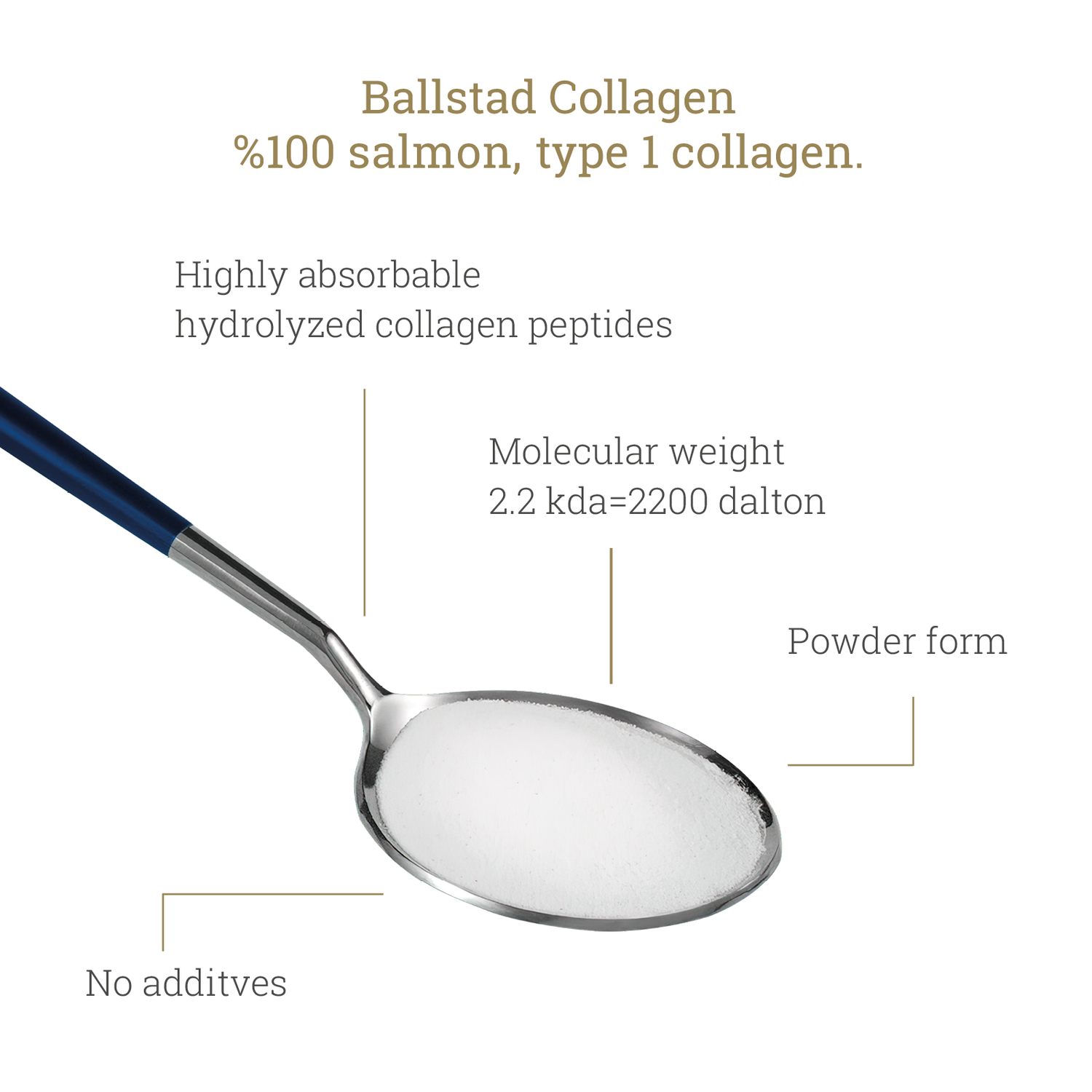
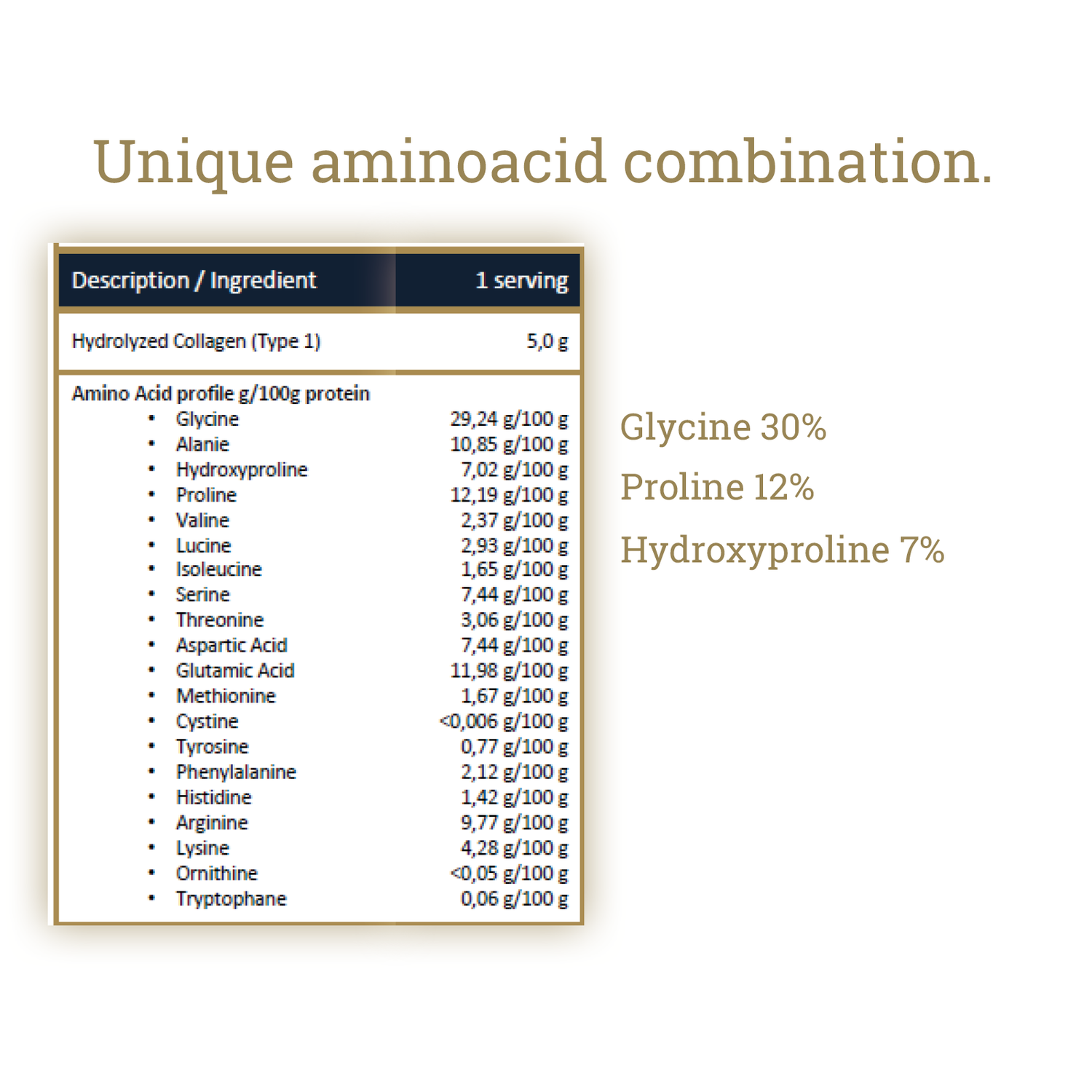
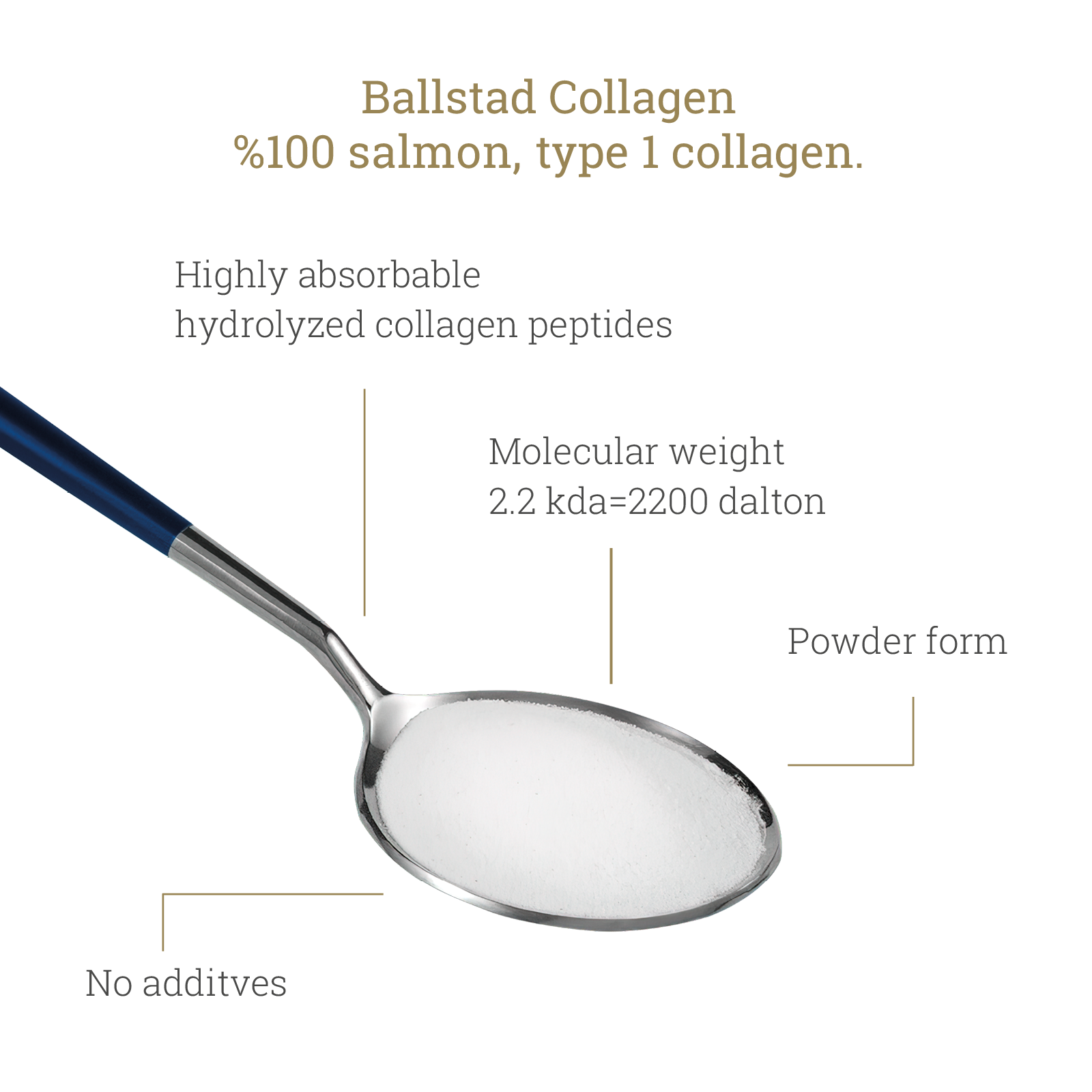
Ikke alle kollagentilskudd er like. Kroppen absorberer kollagen best når det er hydrolysert, noe som betyr at det er brutt ned til mindre peptider.
Hydrolysert kollagen:
• Er lettere for fordøyelsessystemet å behandle
• Kommer mer effektivt inn i blodomløpet
• Kan lettere brukes av vev som trenger reparasjon
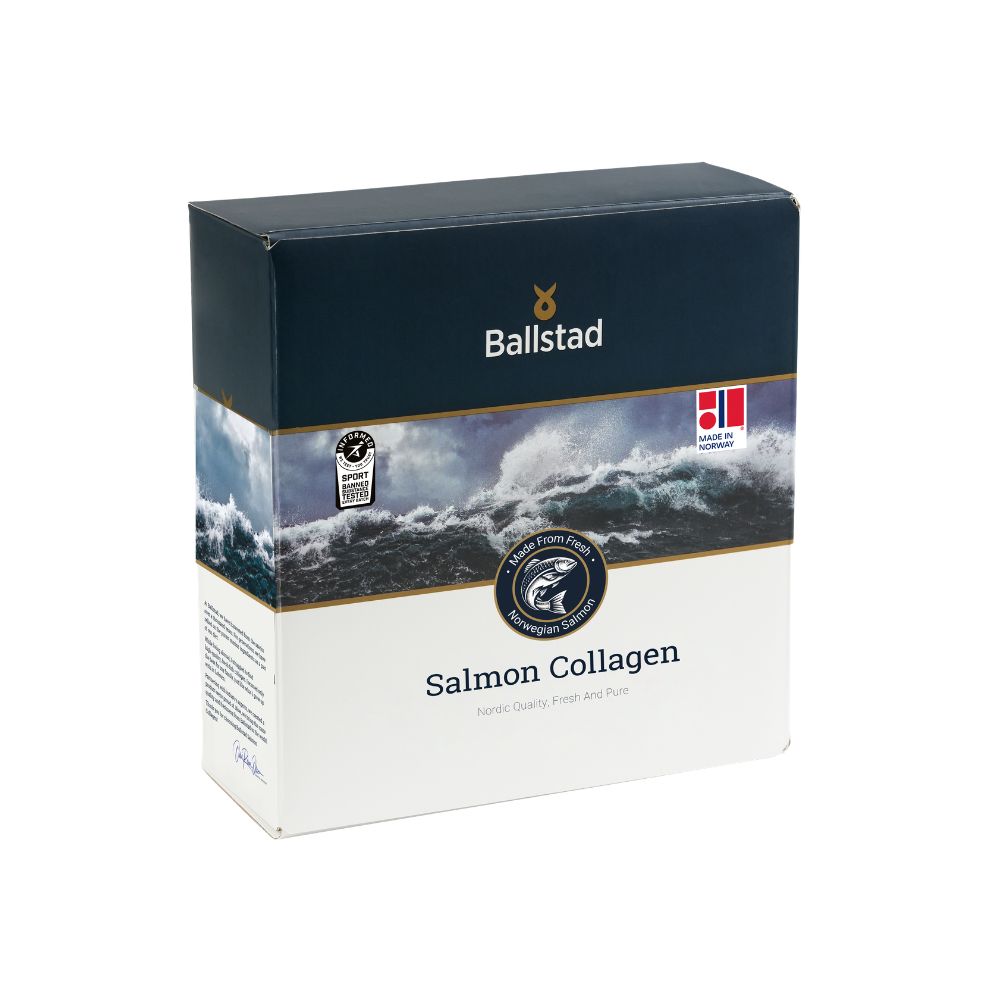
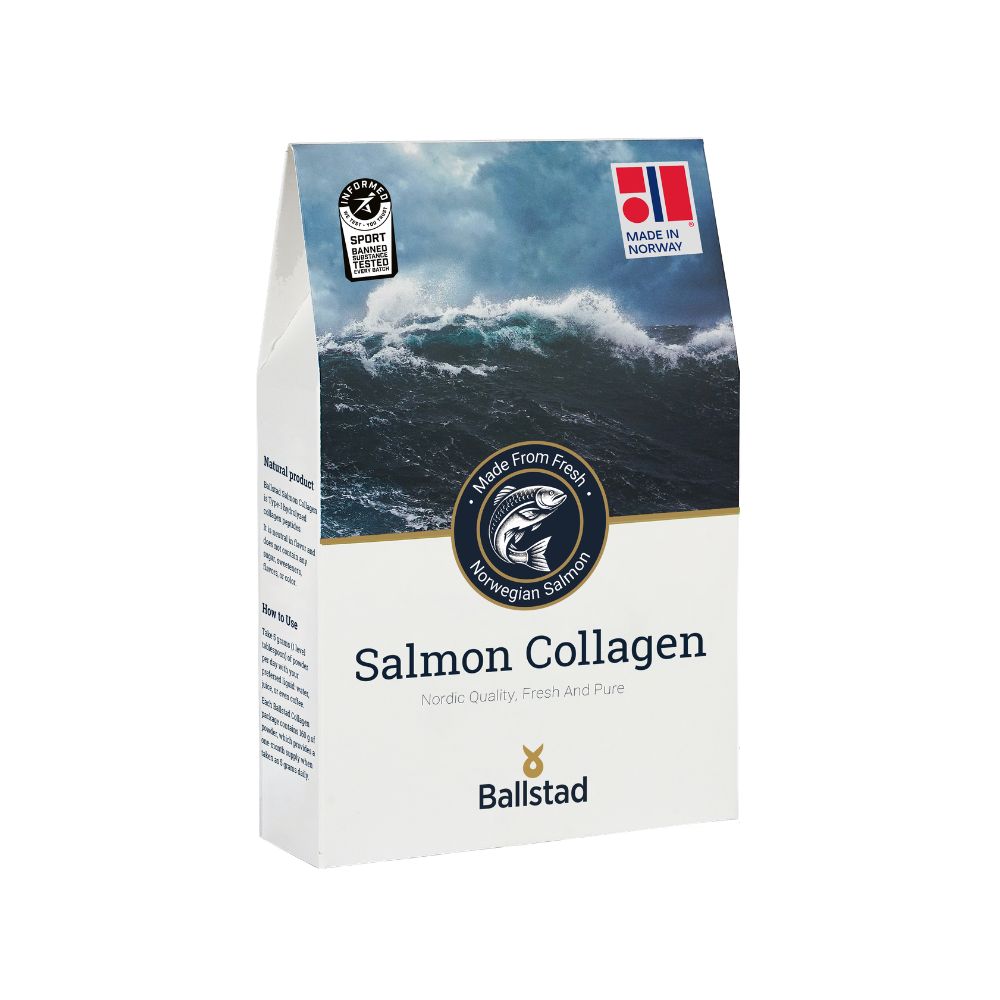
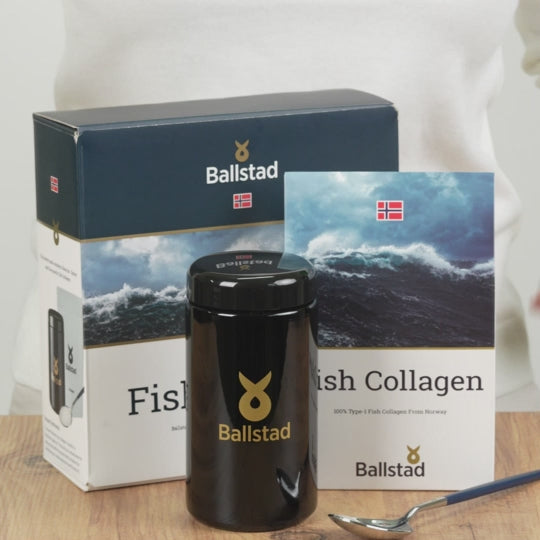
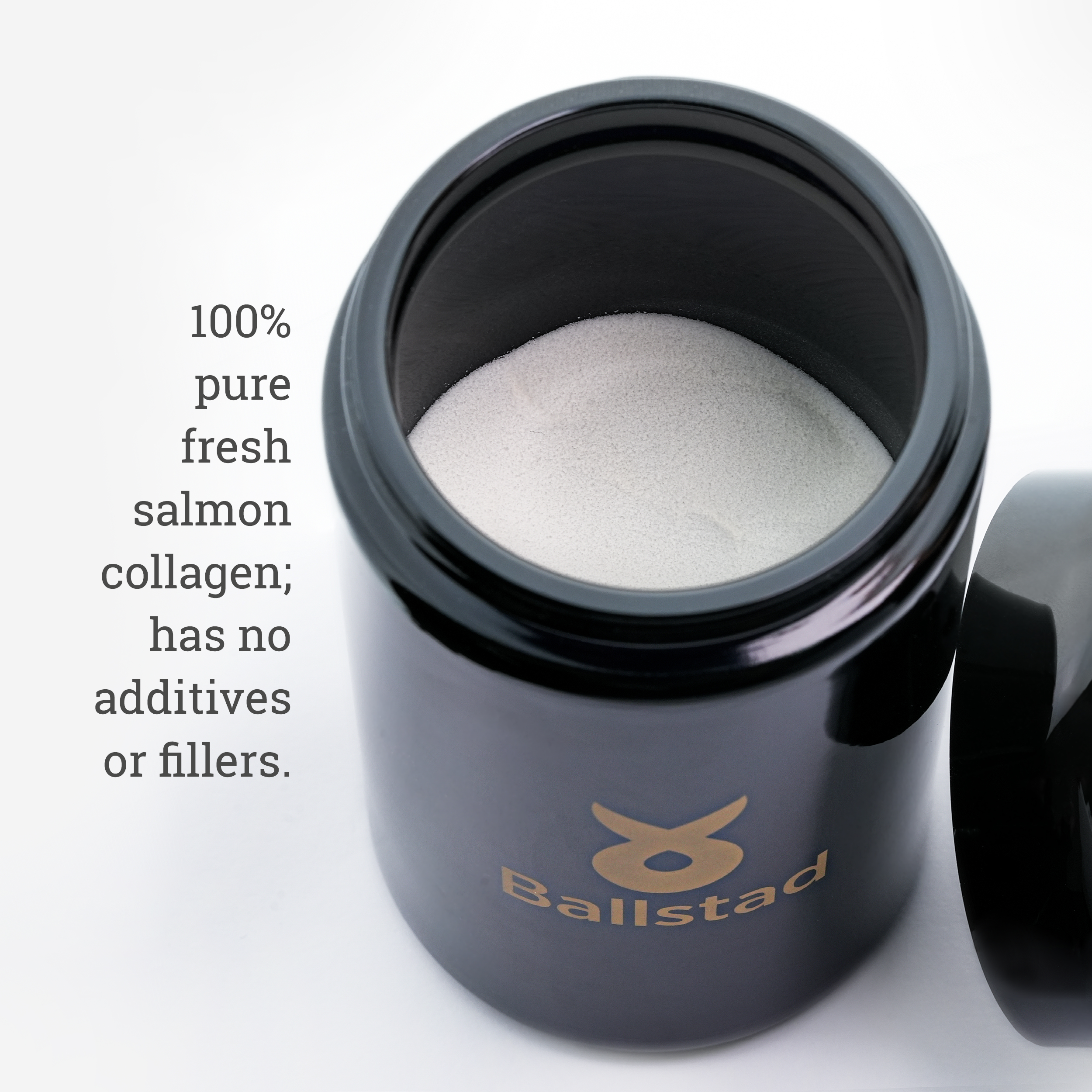
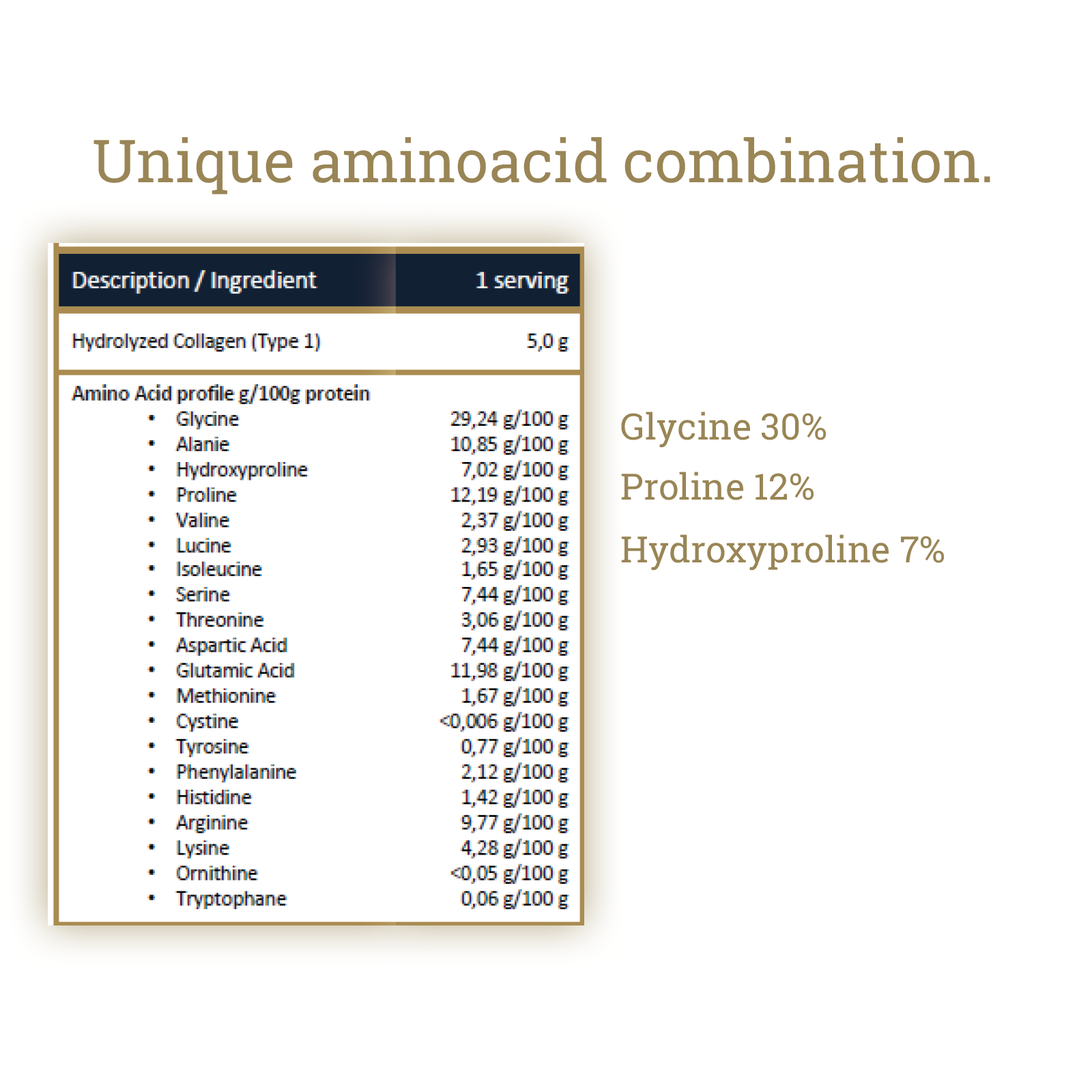
Mens forskningen på kosttilskudd fortsatt utvikler seg, er hydrolysert kollagen for tiden den mest studerte og mest brukte formen. Ballstad laksekollagen er Type I – hud, bein, sener og hår. Du kan lese mer om hvorfor kollagen er viktig for hår her, og hvorfor det er en sammenheng mellom kollagen og osteoporose her.
5. Kollagen blir stadig viktigere med alderen
Når kollagenproduksjonen avtar, svekkes kroppens strukturelle integritet naturlig. Dette påvirker hudens fasthet, leddkomfort, bentetthet og til og med muskelstyrke.
Forståelsen av kollagenets rolle forklarer hvorfor mange mennesker fokuserer på å støtte kollagennivåene når de blir eldre – gjennom ernæring, livsstilsvaner og i noen tilfeller, kosttilskudd.
Det er mye mer å lese og lære om kollagen, sjekk ut våre andre blogger om kollagen.
* Dette innholdet er kun til informasjonsformål og er ikke ment å diagnostisere, behandle, kurere eller forebygge noen sykdom.