
Not all omega-3 supplements are created equal. The source of the fish oil plays a major role in purity, potency, sustainability, and absorption. While many fish contain omega-3s, only a handful are considered ideal for producing high-quality omega-3 supplements rich in EPA and DHA.
Below are the top five fish species used worldwide to create clean, effective, and reliable omega-3 products—and why they stand out.
1. Salmon
Why Salmon Is a Premium Source
Salmon is one of the richest natural sources of EPA and DHA. Thanks to its clean fat profile and high nutrient density, salmon oil is known for:
-
Excellent bioavailability
-
Superior taste and mild aroma
-
Naturally balanced EPA:DHA ratio
Norwegian salmon, in particular, is prized for its purity and responsible farming practices.
2. Anchovies
Small Fish, Big Omega-3 Power
Anchovies are small, fast-growing fish that accumulate very low levels of toxins. They’re rich in EPA and DHA and are considered one of the cleanest marine sources. Benefits include:
-
High omega-3 concentration
-
Minimal heavy metal exposure
-
Sustainable fishing practices
Many concentrated omega-3 oils are made from anchovies due to their efficiency and purity.
3. Sardines
Nutrient-Dense and Sustainable
Sardines contain a remarkable amount of omega-3 per gram. They are:
-
Naturally low in mercury
-
High in EPA and DHA
-
Abundant and eco-friendly
Because sardines feed low on the food chain, they offer a clean and sustainable raw material for supplement production.
4. Mackerel
High in Omega-3 and Antioxidants
Mackerel provides a strong dose of EPA and DHA, along with beneficial nutrients like vitamin D and selenium. Supplement makers value mackerel for:
-
Strong omega-3 potency
-
Natural antioxidant content that helps protect the oil
-
Mild, stable flavor profile
Its nutrient synergy makes mackerel oil an excellent option for cardiovascular and brain health formulas.
5. Herring
A Northern Super Fish
Herring is widely consumed in Scandinavian diets and is one of the best omega-3 rich fish available. It offers:
-
A balanced EPA and DHA profile
-
Very low contaminants
-
High stability due to natural antioxidants
Because of its purity and cold-water origin, herring is commonly used in European omega-3 manufacturing.
Why Fish Source Matters for Omega-3 Quality
1. Purity
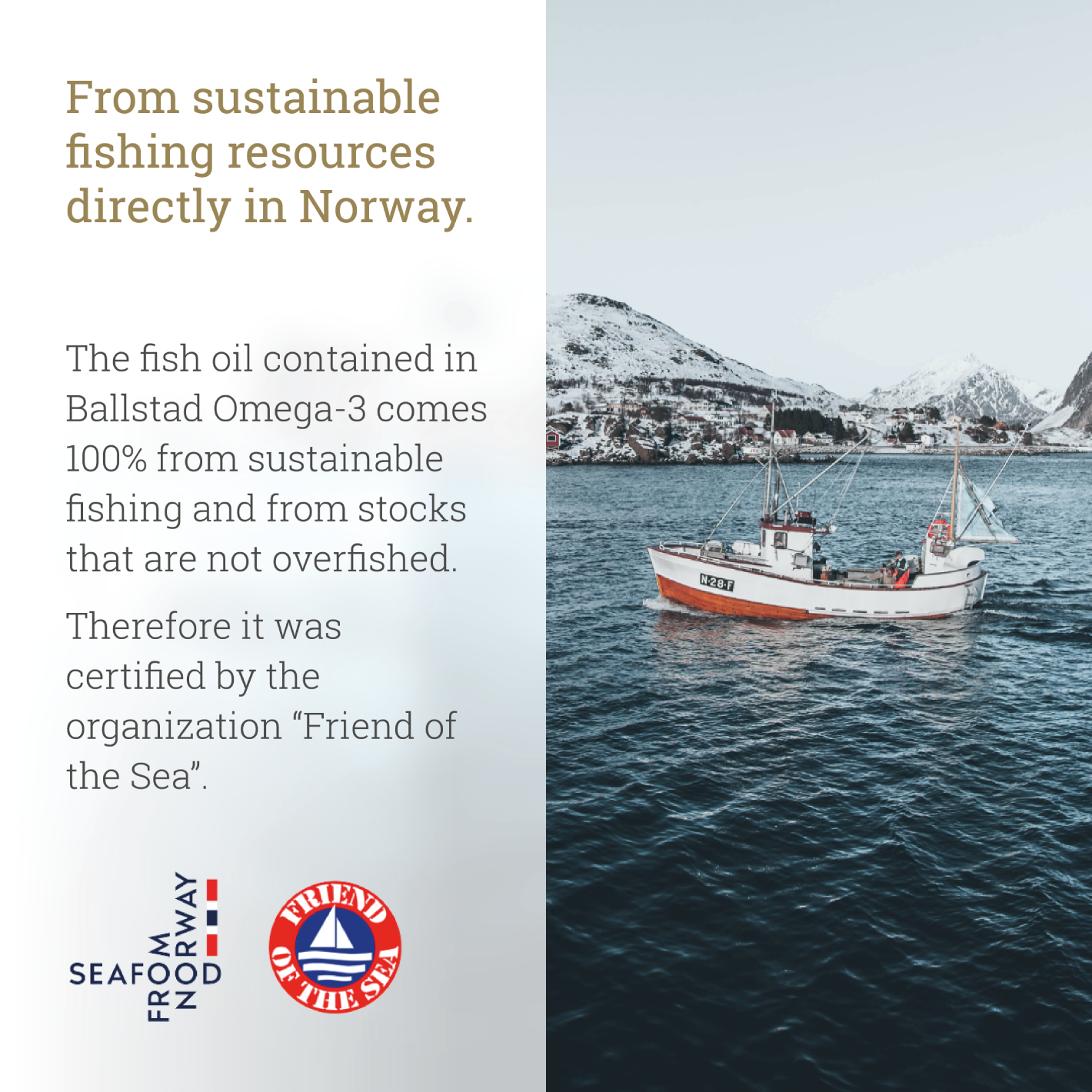
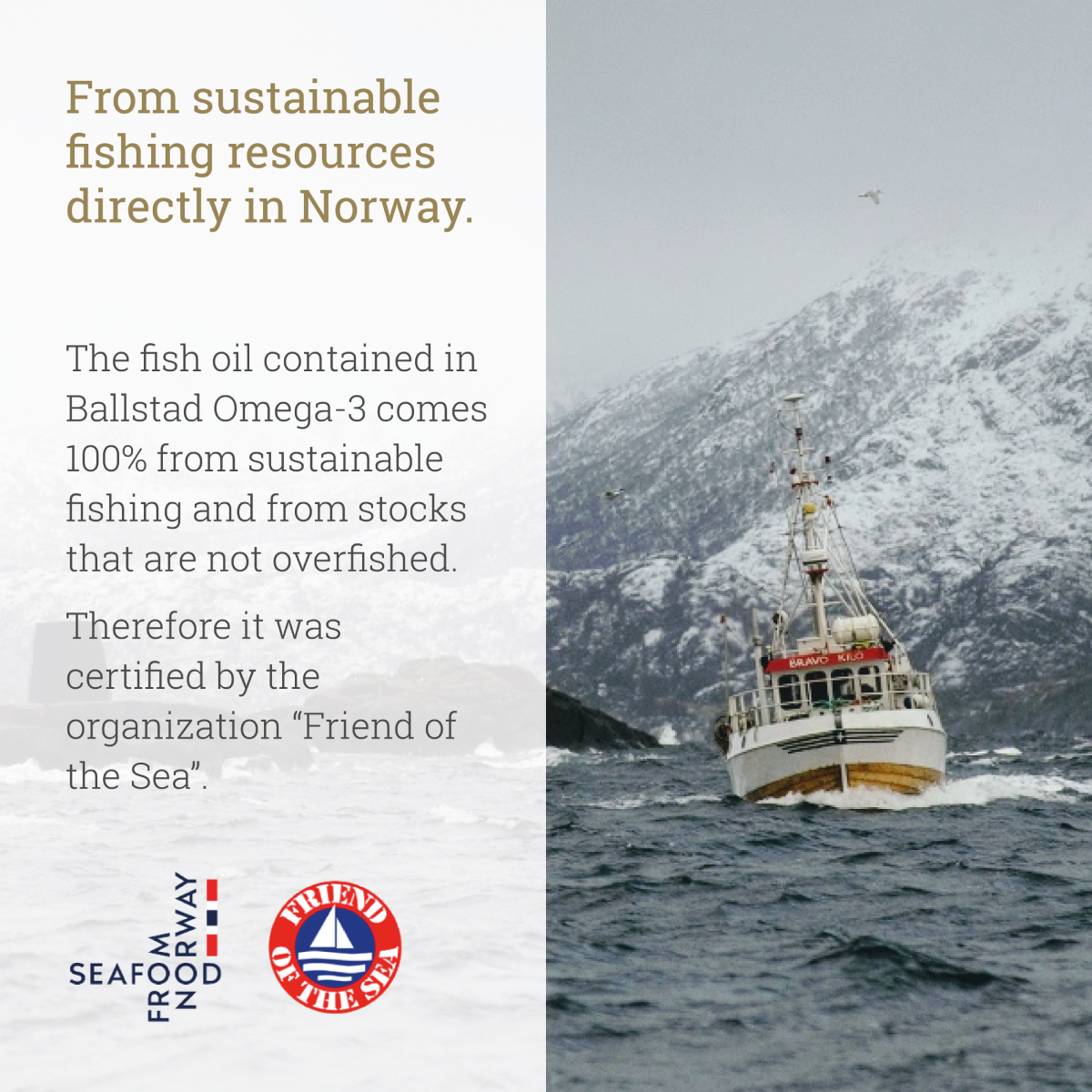
Cold-water fish from clean regions—such as Norway—generally contain lower levels of environmental pollutants. Oils made from these fish require less processing, which helps preserve their natural structure.
2. Freshness
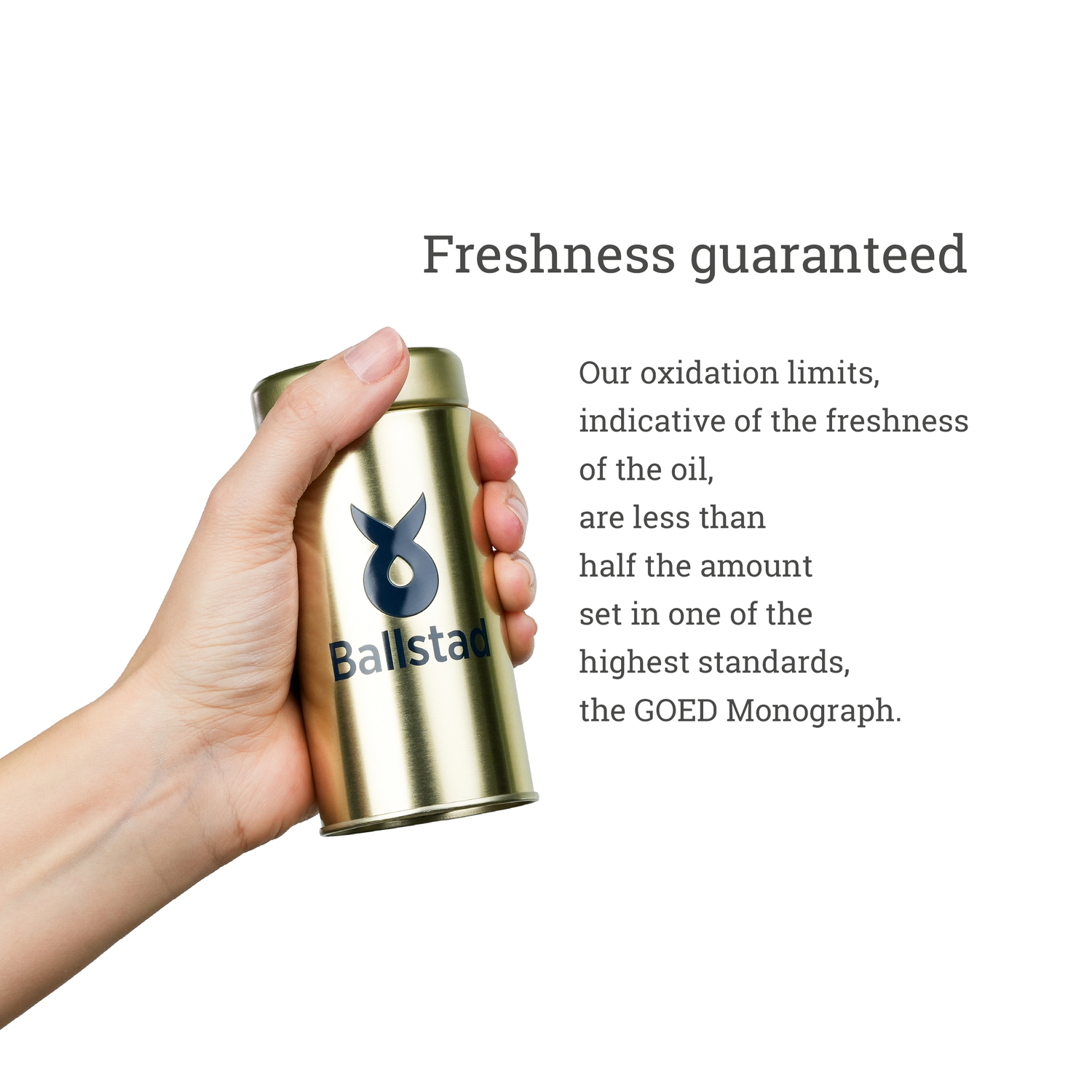
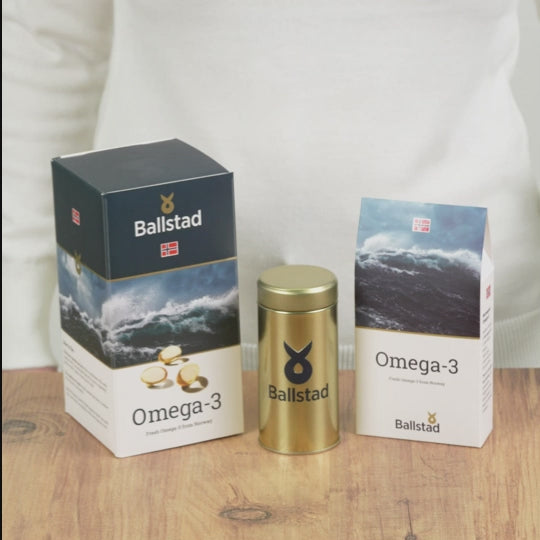
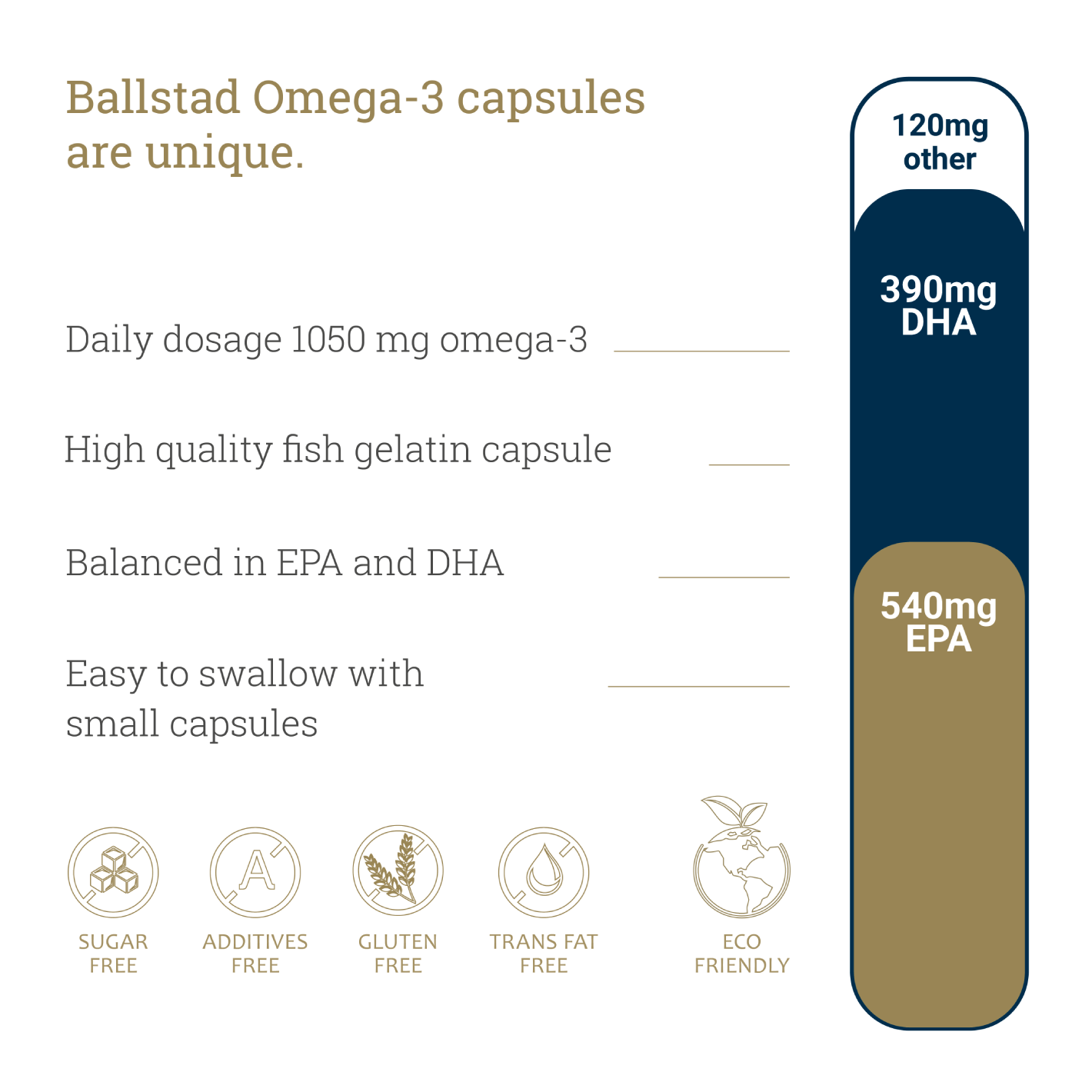
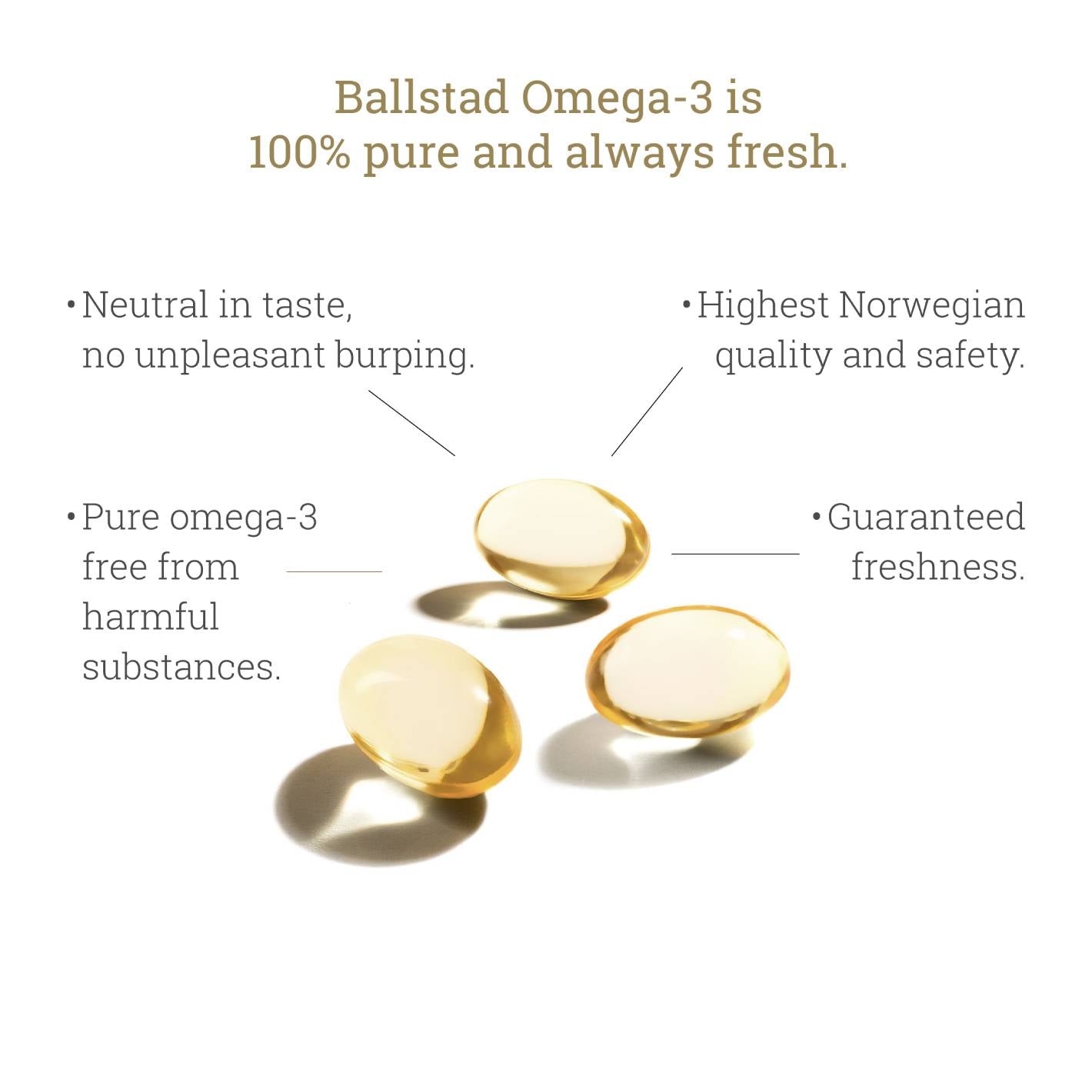
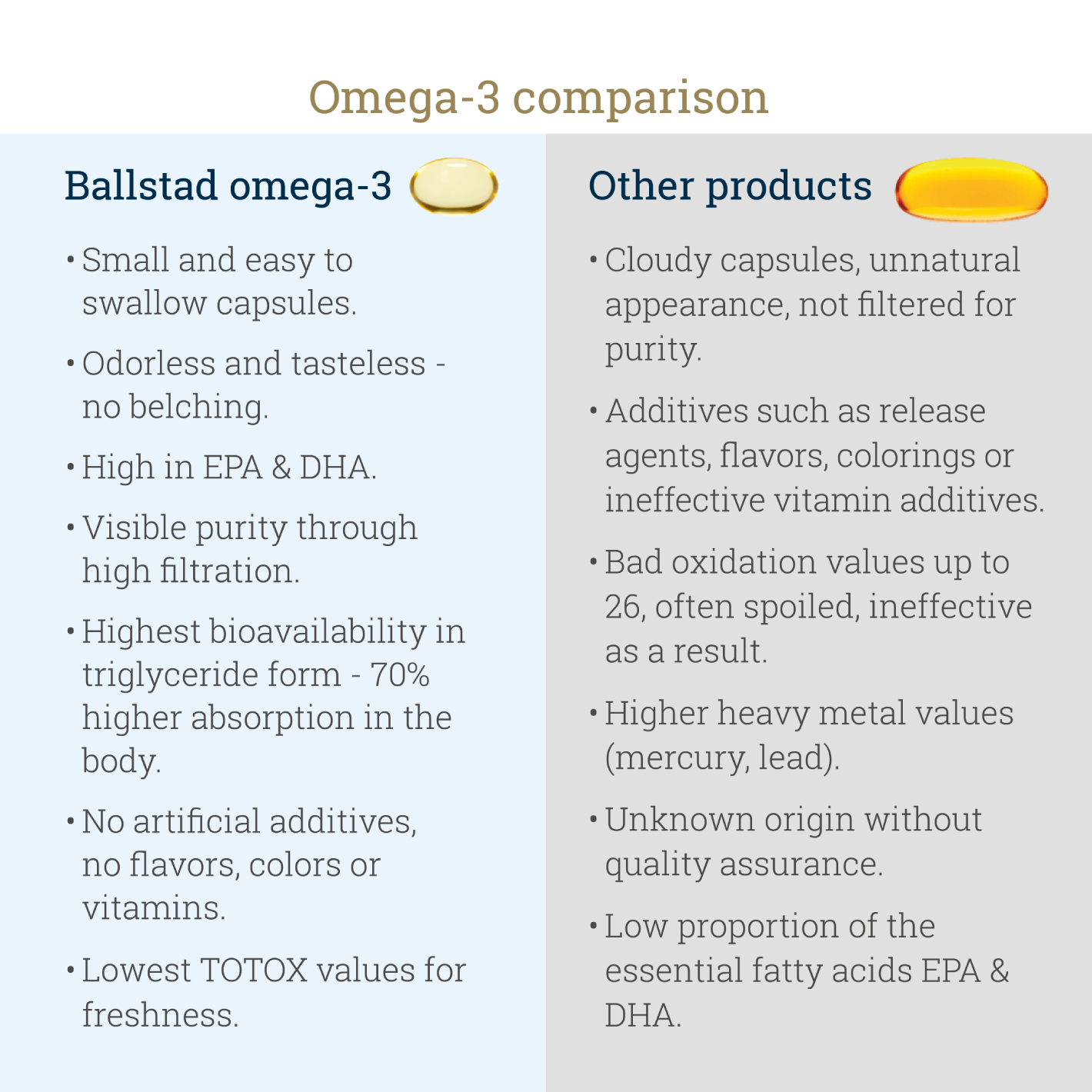
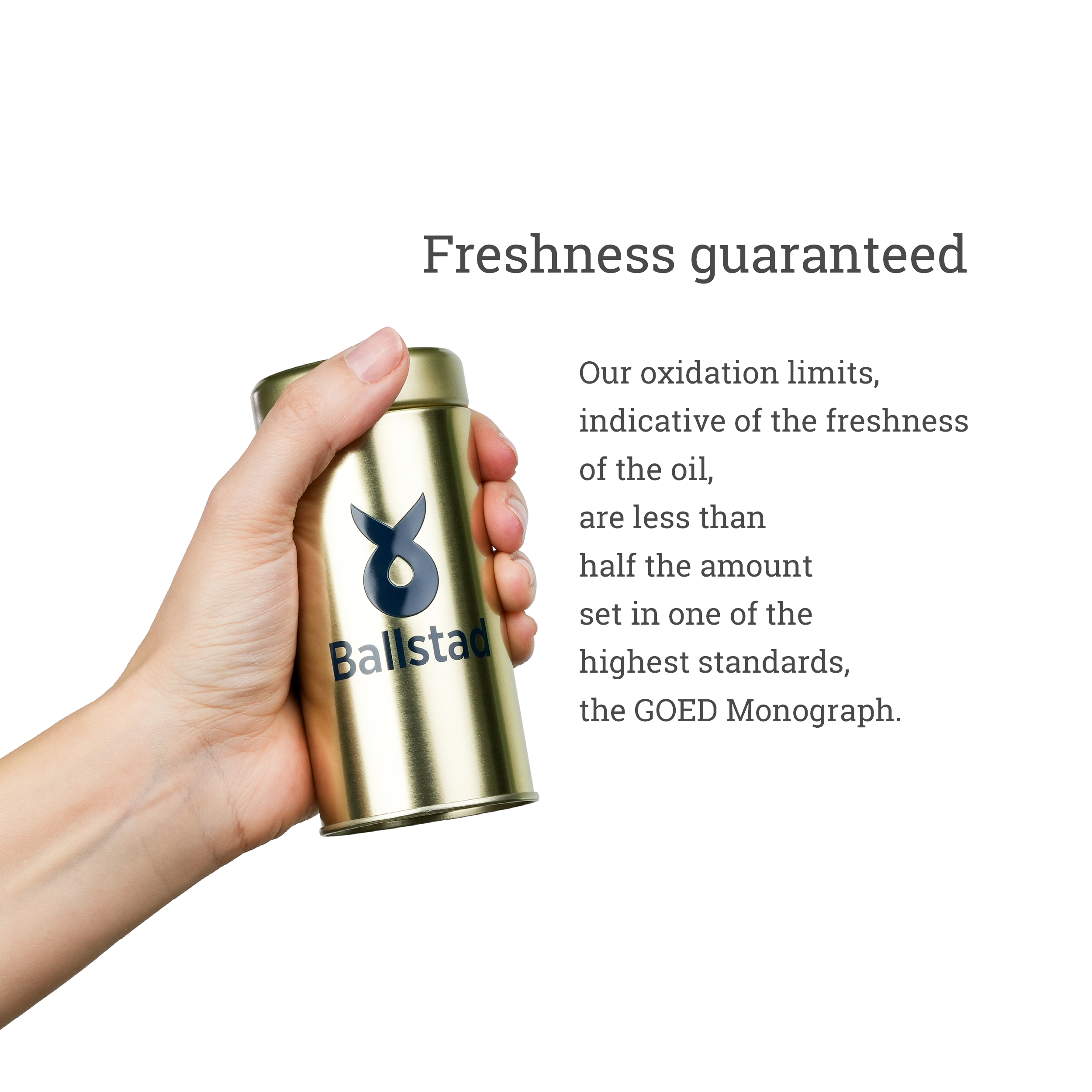
Freshly processed fish deliver higher-quality oil with minimal oxidation. That’s one reason why Norwegian fish oil (as used in Ballstad Omega-3) is prized for its exceptionally low oxidation values and clean sensory profile.
3. Sustainability
Smaller fish species like anchovies and sardines tend to reproduce quickly and are harvested using sustainable methods, making them ideal long-term sources for omega-3 oils.
4. EPA and DHA Balance
Different fish offer different ratios. Choosing the right species helps manufacturers deliver formulas tailored to specific health needs—heart, brain, joints, skin, and more.