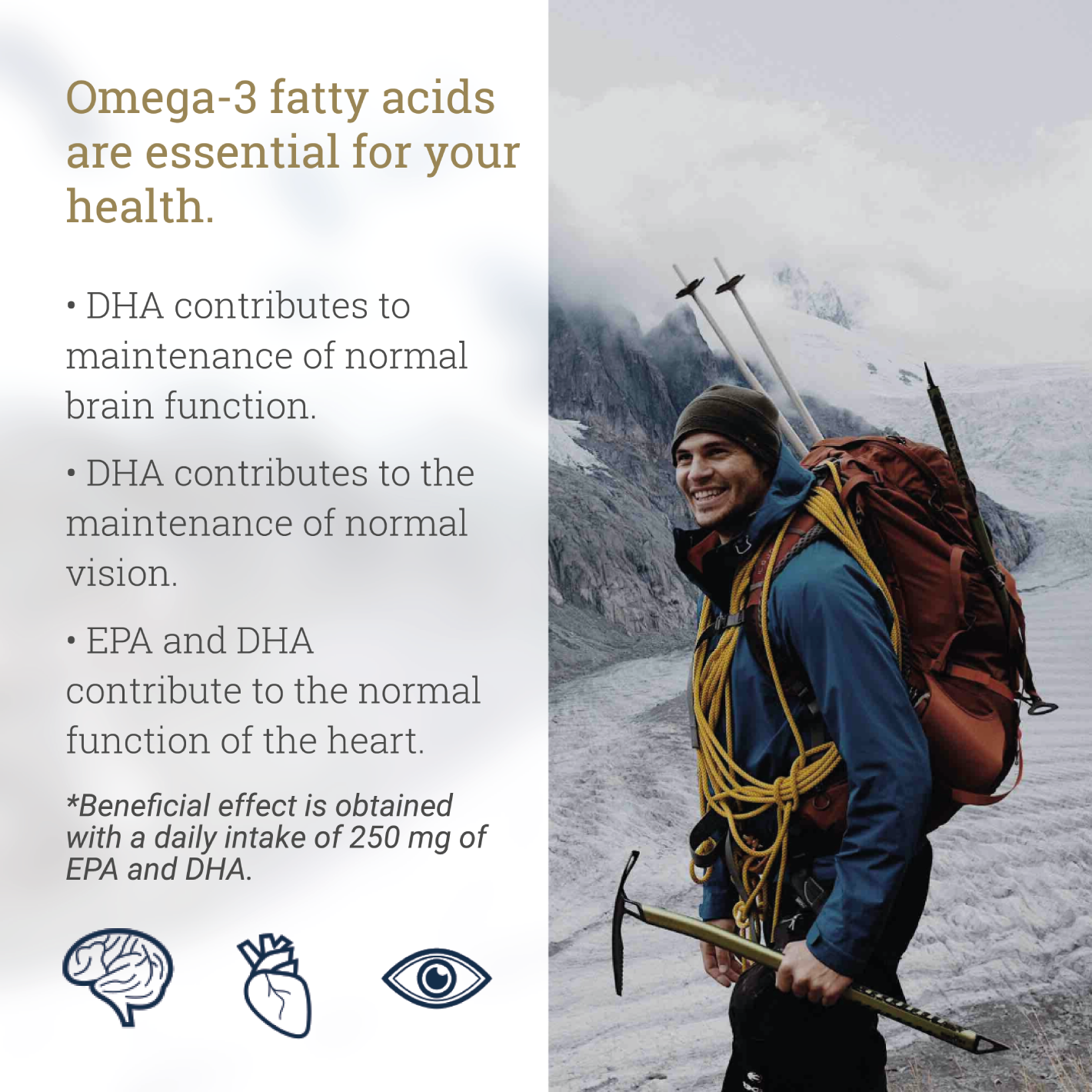

Omega-3 fatty acids are essential nutrients that support heart health, brain function, mood balance, skin hydration, and inflammation control. Since the body cannot produce EPA and DHA on its own, deficiency is more common than most people realize.
But how do you know if you are omega-3 deficient? Below is a science-based guide to recognizing the signs and understanding what your body may be trying to tell you.
Why Omega-3 Deficiency Happens
Omega-3 deficiency occurs when you don’t consume enough EPA and DHA over time. This is common due to:
-
Low seafood intake
-
High consumption of omega-6 rich foods (vegetable oils, processed foods)
-
Poor absorption
-
Increased physical or mental stress
-
Aging
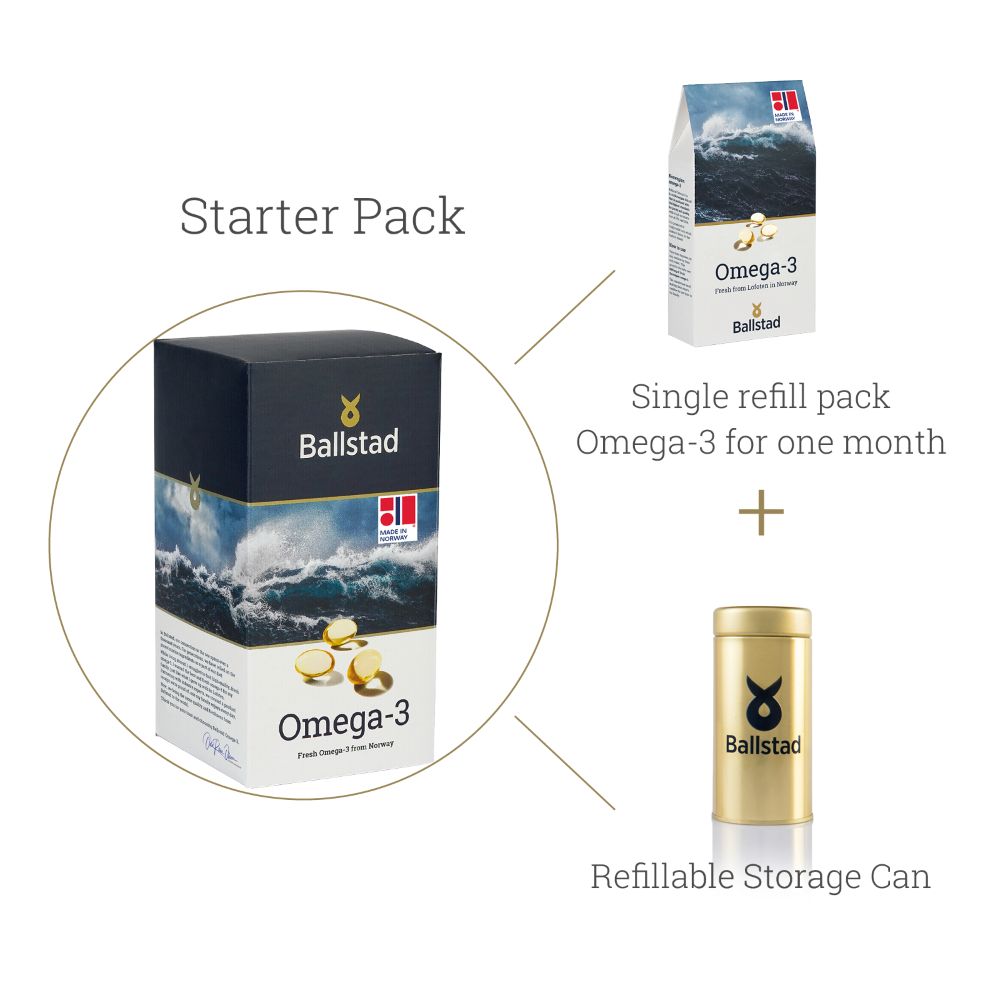
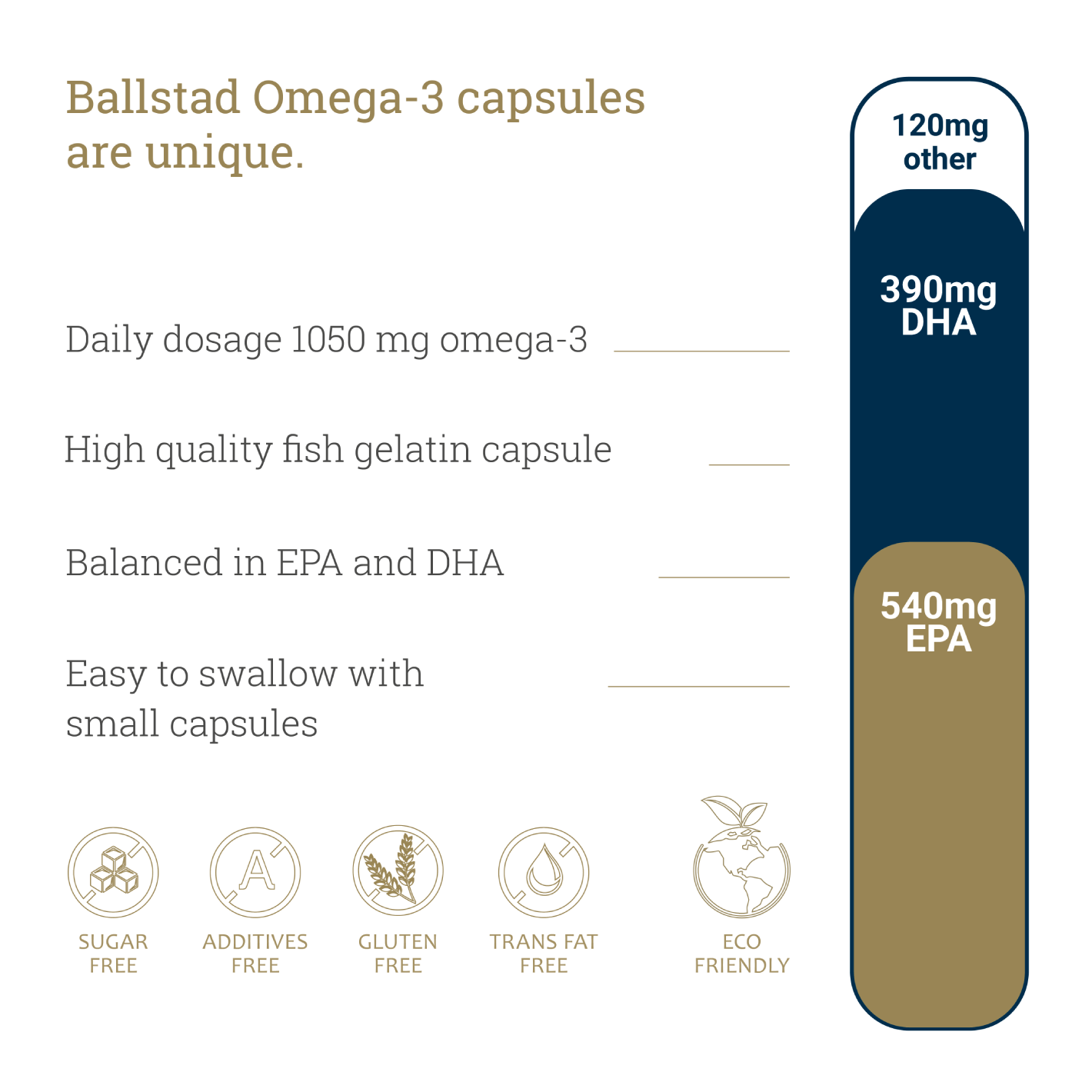
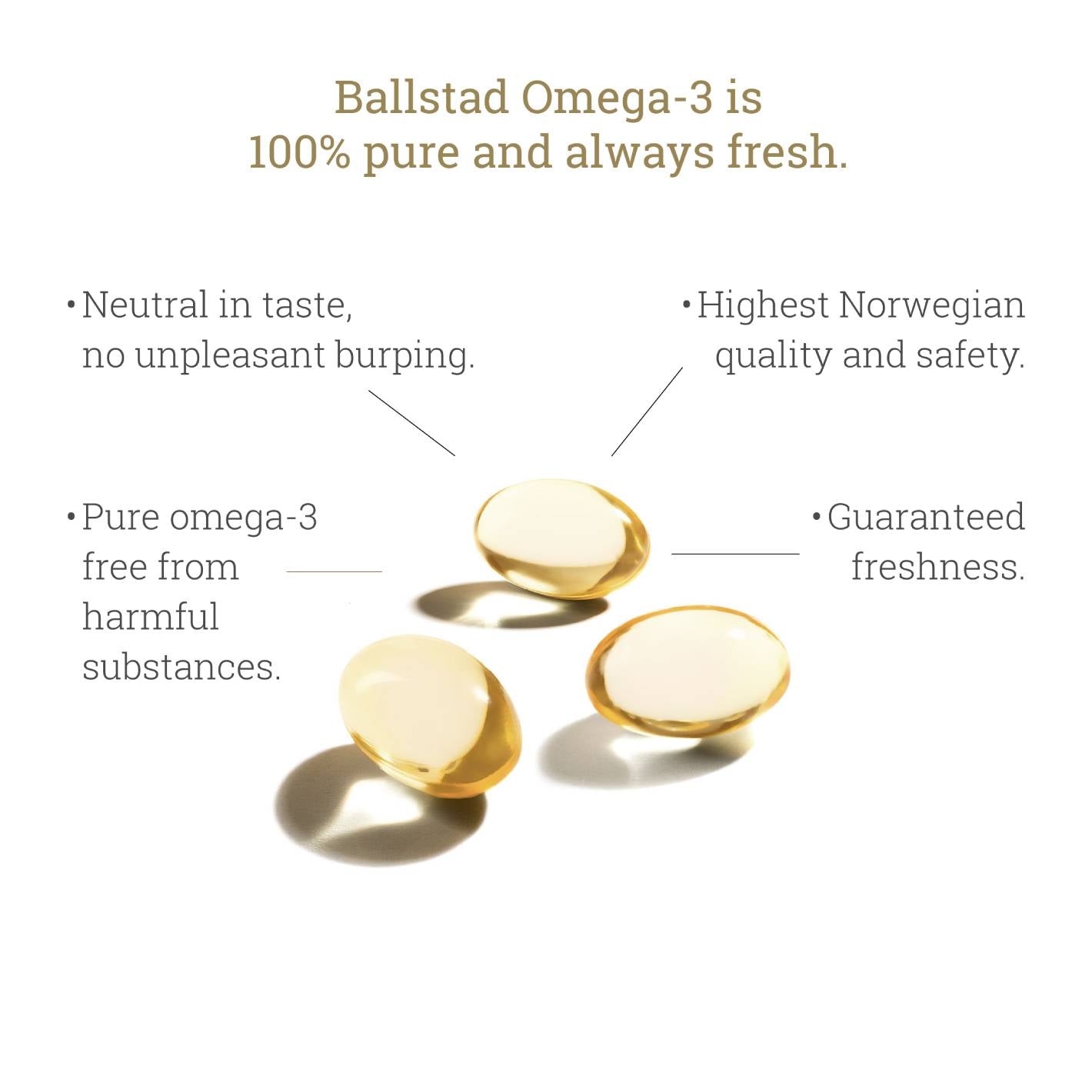
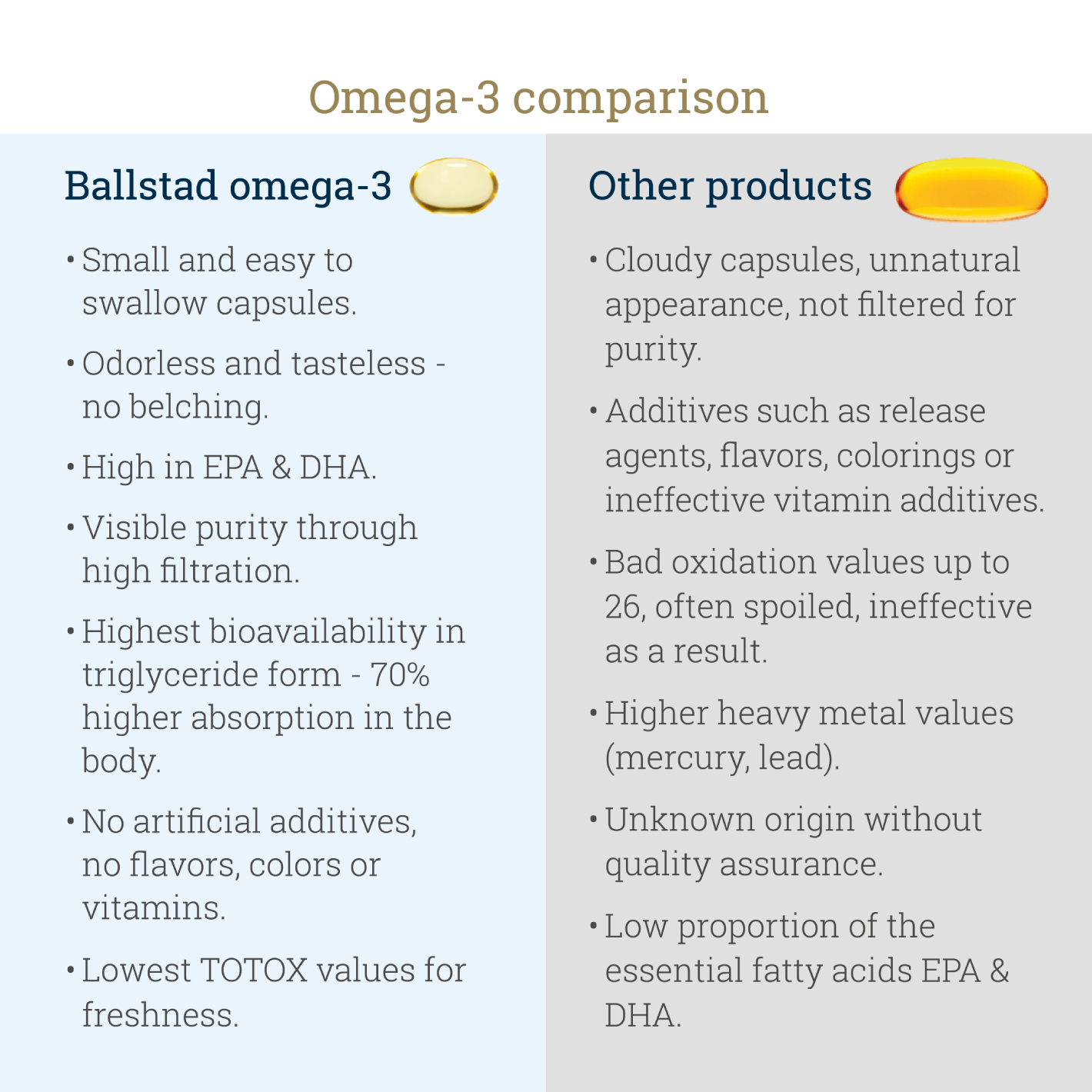
Many people who don’t regularly eat cold-water fish may unknowingly be at risk. This is one reason some choose high-purity marine supplements—like sustainably sourced Ballstad Omega-3, known for its clean, Norwegian origin and consistent EPA+DHA potency.
Top Signs You Might Be Omega-3 Deficient
1. Dry Skin, Brittle Hair, or Weak Nails
Omega-3s support the skin barrier and reduce inflammation. When levels are low, you may experience:
-
Flaky or rough skin
-
Dull, thinning hair
-
Weak or splitting nails
Many users find their skin feels more hydrated once they increase their omega-3 intake consistently.
2. Constant Fatigue or Low Energy
EPA and DHA help regulate cellular energy production. When you are deficient, you may feel:
-
Sluggish
-
Mentally foggy
-
Easily exhausted during daily tasks
3. Mood Changes or Irritability
Low omega-3 levels are linked to changes in mood due to their role in neurotransmitters. Signs include:
-
Feeling more irritable than usual
-
Difficulty concentrating
-
Mild mood swings
Marine omega-3s are particularly important for cognitive function, which is why many prefer the naturally high-quality Norwegian sources found in Ballstad Omega-3.
4. Joint Stiffness or Muscle Soreness
EPA's anti-inflammatory properties help support joints and muscles. Deficiency may show up as:
-
Morning stiffness
-
Slower recovery after exercise
-
More discomfort after physical activity
5. Vision Changes
DHA is a major structural component of the retina. Symptoms of deficiency may include:
-
Blurry vision episodes
-
Eye fatigue, particularly from screens
6. Trouble Sleeping
Glymphatic function and melatonin release rely partly on omega-3s. Deficiency may lead to:
-
Waking during the night
-
Low sleep quality
7. Increased Cravings for Unhealthy Foods
Low omega-3 may disrupt hunger hormones, leading to:
-
More sugar cravings
-
Difficulty controlling appetite
-
A preference for processed foods
How to Confirm Omega-3 Deficiency
Omega-3 Index Test
The most accurate way is the Omega-3 Index, a blood test measuring EPA + DHA levels in red blood cells.
Ideal range: 8–12%
Deficient range: Below 4%
Many health-conscious consumers check their levels annually.
Dietary Assessment
If you rarely eat:
-
Salmon
-
Sardines
-
Mackerel
-
Cod
-
Herring
…or avoid fish entirely, your risk of deficiency is higher.
Lifestyle Factors
You may need more omega-3 if you:
-
Exercise intensively
-
Experience high stress
-
Have inflammation issues
-
Follow a high-omega-6 diet
In these cases, people often choose high-absorption marine omega-3 supplements. Clean products—like Ballstad Omega-3, made from sustainably harvested salmon—can make reaching optimal levels much easier.
How to Increase Your Omega-3 Levels
1. Eat Fatty Fish 2–3 Times a Week
Focus on cold-water fish:
-
Salmon
-
Sardines
-
Herring
-
Mackerel
2. Add Marine Omega-3 Supplements
EPA and DHA supplements are the most reliable way to correct deficiency.
High-quality marine oils—such as Ballstad Omega-3, known for purity and traceability—help you reach ideal levels without heavy metals or oxidation concerns.
3. Balance Omega-6 Intake
Reduce excess omega-6 sources:
-
Sunflower oil
-
Corn oil
-
Fried foods
-
Processed snacks
Lower omega-6 improves your omega-3 ratio dramatically.
4. Support Absorption
Take omega-3 with meals containing healthy fats for better utilization.
Frequently Asked Questions (FAQ)
How long does it take to fix omega-3 deficiency?
With daily intake, most people see improvements in 4–12 weeks, depending on their baseline levels.
Can omega-3 deficiency affect mood?
Yes. Low DHA levels are linked to reduced neurotransmitter balance and increased irritability.
Is plant-based omega-3 enough?
ALA (from flaxseed, chia, walnuts) converts poorly to EPA and DHA. Marine sources are far more effective.
Can I take omega-3 every day?
Yes—consistent daily intake is recommended to maintain optimal levels.
Do omega-3 supplements cause side effects?
High-quality oils rarely cause issues. Taking them with food helps minimize any mild discomfort.