
Omega-3 fatty acids remain one of the most researched and widely used nutrients worldwide. In 2026, consumer interest in omega-3 continues to evolve beyond traditional fish oil capsules. Today’s focus is on functional foods, personalized nutrition, sustainability, and high-quality omega-3 supplements that deliver meaningful amounts of EPA and DHA.
In this article, we explore the top omega-3 trends in 2026, the science behind them, and what they mean for everyday health.
Why Omega-3 Still Matters in 2026
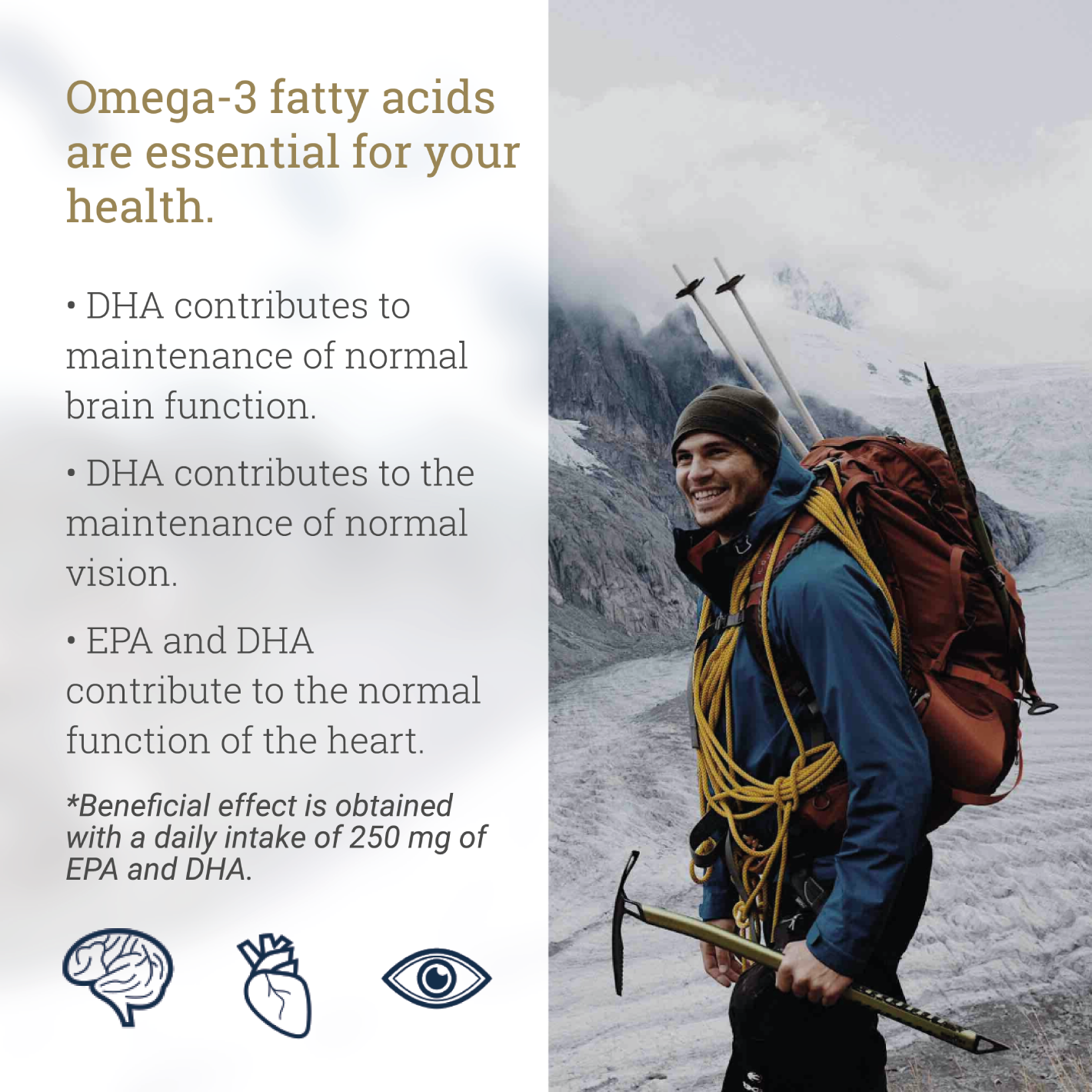
Omega-3 fatty acids—especially EPA (eicosapentaenoic acid) and DHA (docosahexaenoic acid)—are essential fats that play an important role in normal body function. Research continues to associate adequate omega-3 intake with:
-
Normal inflammatory balance
Despite growing awareness, many people in the U.S. still do not consume enough EPA and DHA. This ongoing gap continues to drive innovation in omega-3 foods and supplements.
Omega-3 Trends Shaping Nutrition in 2026
Omega-3 in Functional Foods and Beverages
One of the most visible omega-3 trends in 2026 is the expansion of functional foods fortified with omega-3. Consumers want nutrition that fits naturally into daily routines, without relying solely on supplements.
Omega-3 is now commonly added to:
-
Yogurts and dairy alternatives
-
Protein bars and shakes
-
Eggs and milk
-
Functional beverages and smoothies
While these products offer convenience, many contain relatively small amounts of EPA and DHA. For this reason, functional foods are often best used alongside high-quality omega-3 supplements.
Personalized Omega-3 Nutrition and the Omega-3 Index
Personalized nutrition continues to reshape how people approach omega-3 in 2026. Instead of a one-size-fits-all approach, consumers increasingly adjust omega-3 intake based on:
-
Age and life stage
-
Dietary habits, including low fish intake
-
Activity level and fitness goals
-
Individual wellness priorities
Some individuals also measure their Omega-3 Index, which reflects EPA and DHA levels in the body, to better understand their omega-3 status.
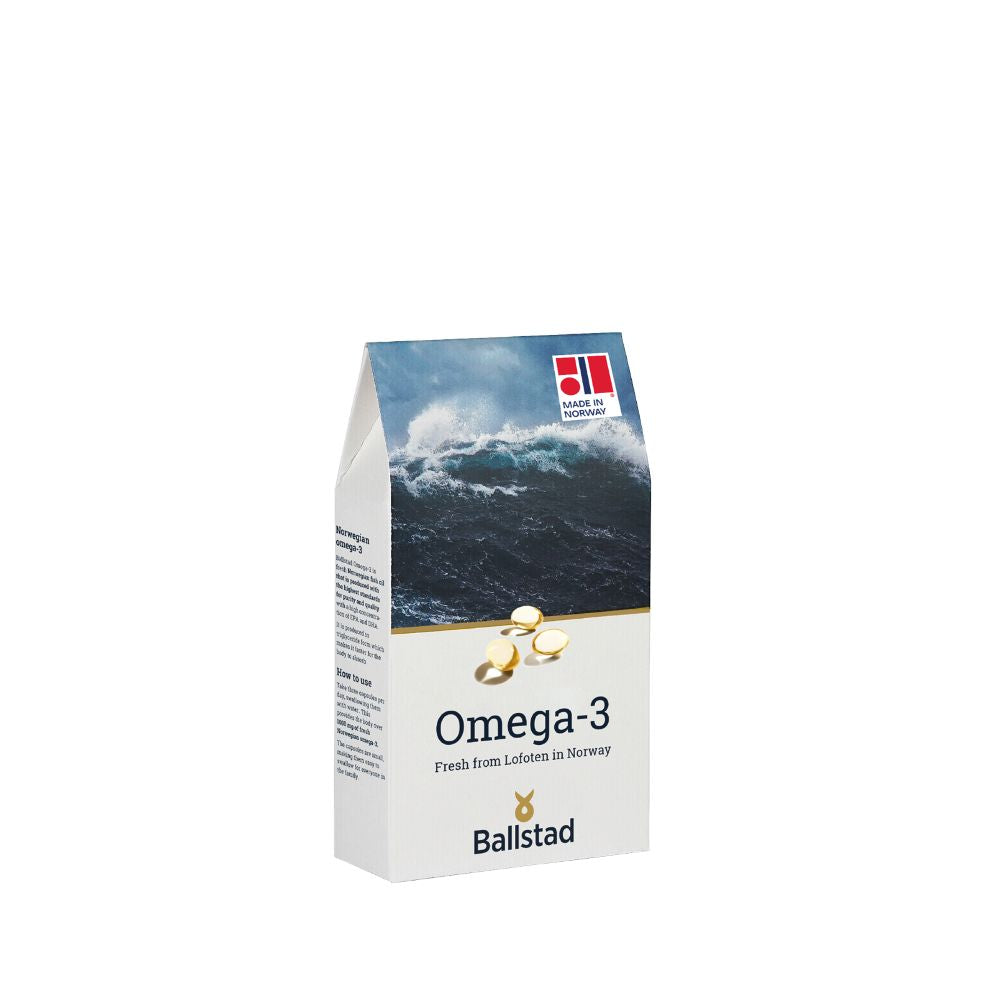
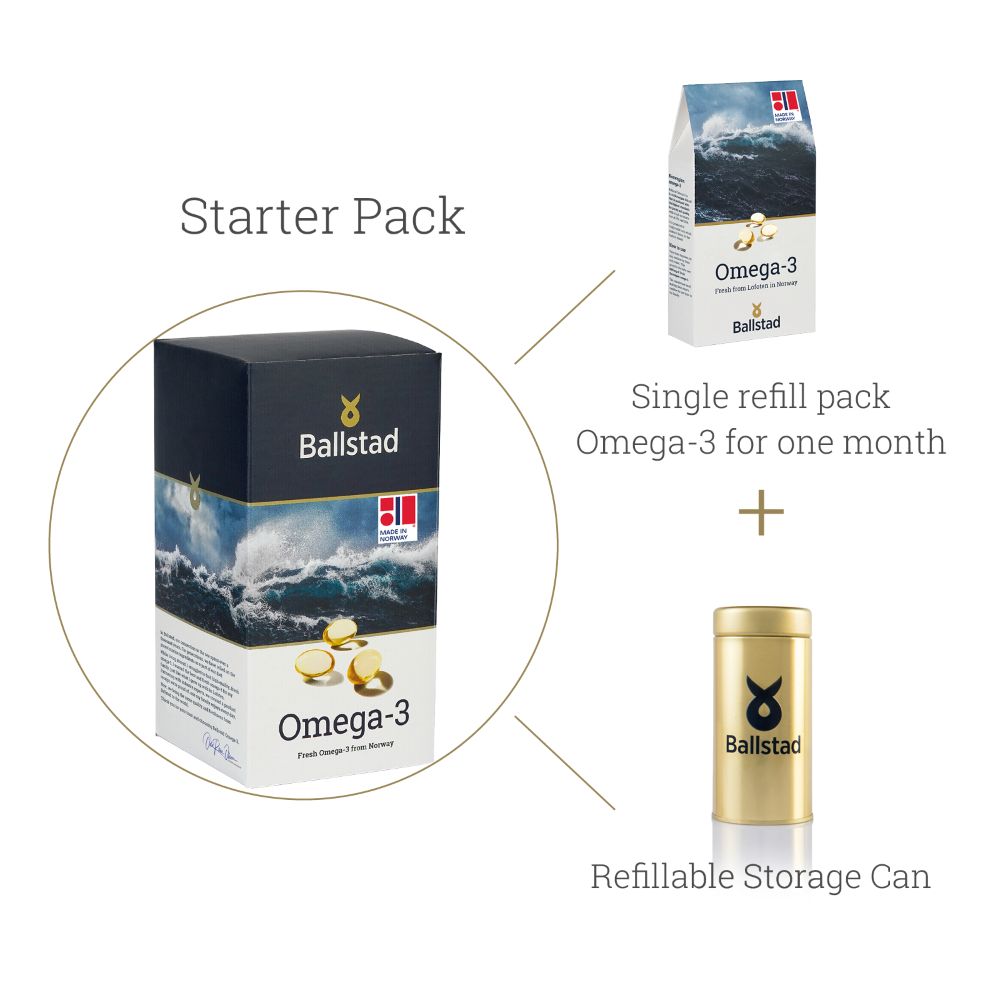
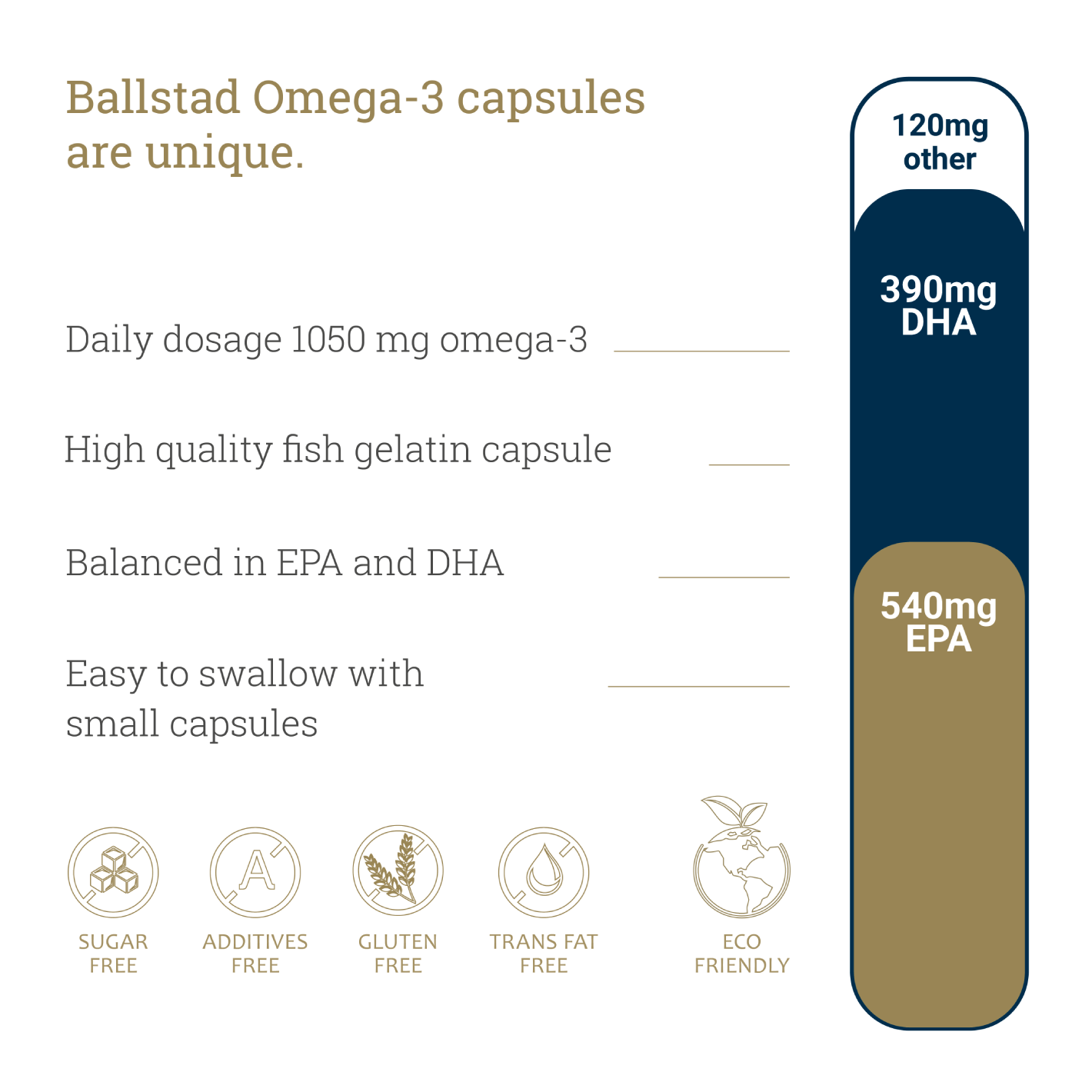
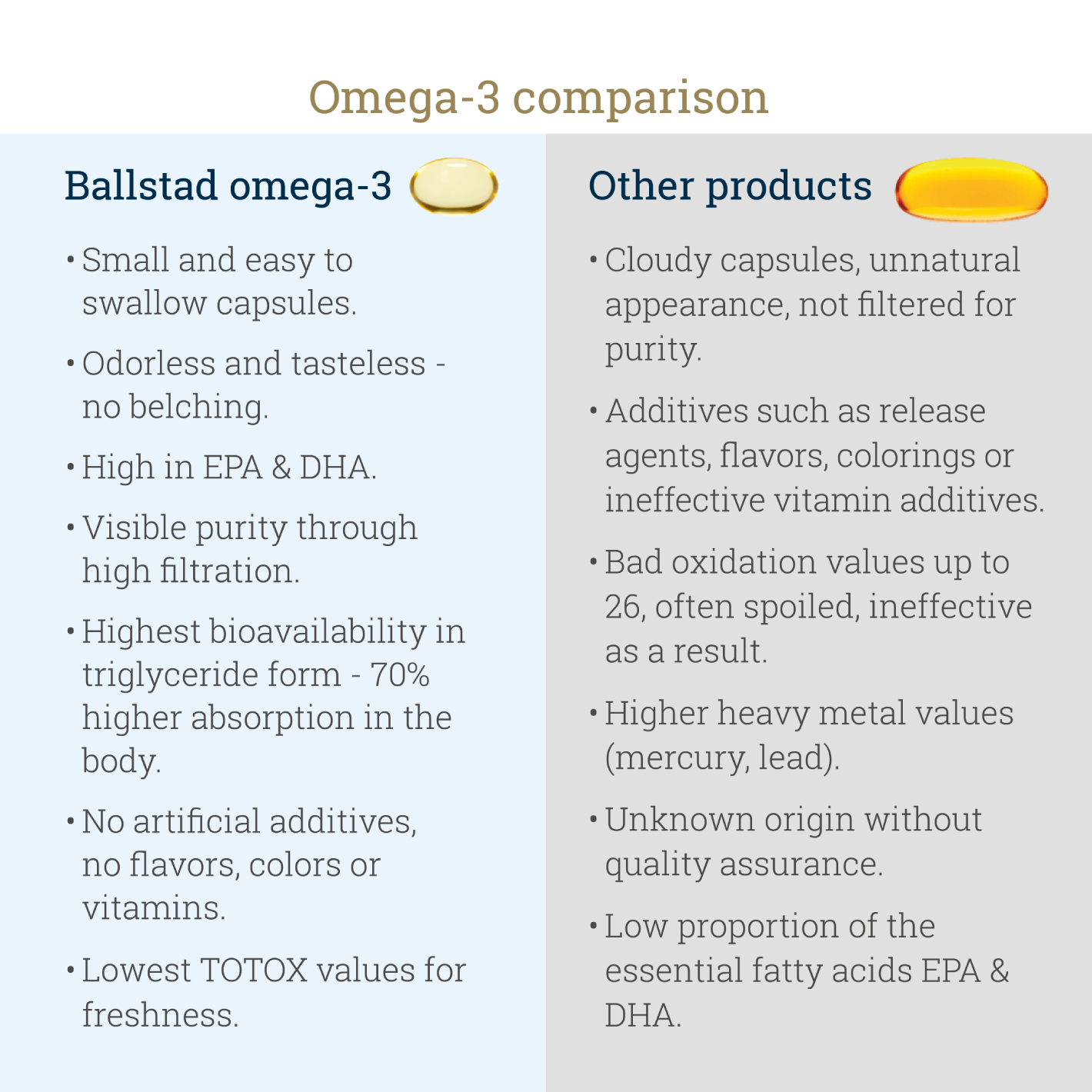
As personalization grows, so does the focus on purity, bioavailability, and clearly labeled EPA and DHA content. Well-formulated products such as Ballstad Omega-3, known for its clean sourcing and balanced EPA and DHA profile, fit naturally into this more informed approach to supplementation.
Sustainable and Transparent Omega-3 Supplements
Sustainability remains a key driver of consumer choice in 2026. People increasingly look for omega-3 supplements that emphasize:
-
Responsibly sourced fish oil
-
Transparent supply chains
-
Purification processes to remove contaminants
-
Protection against oxidation
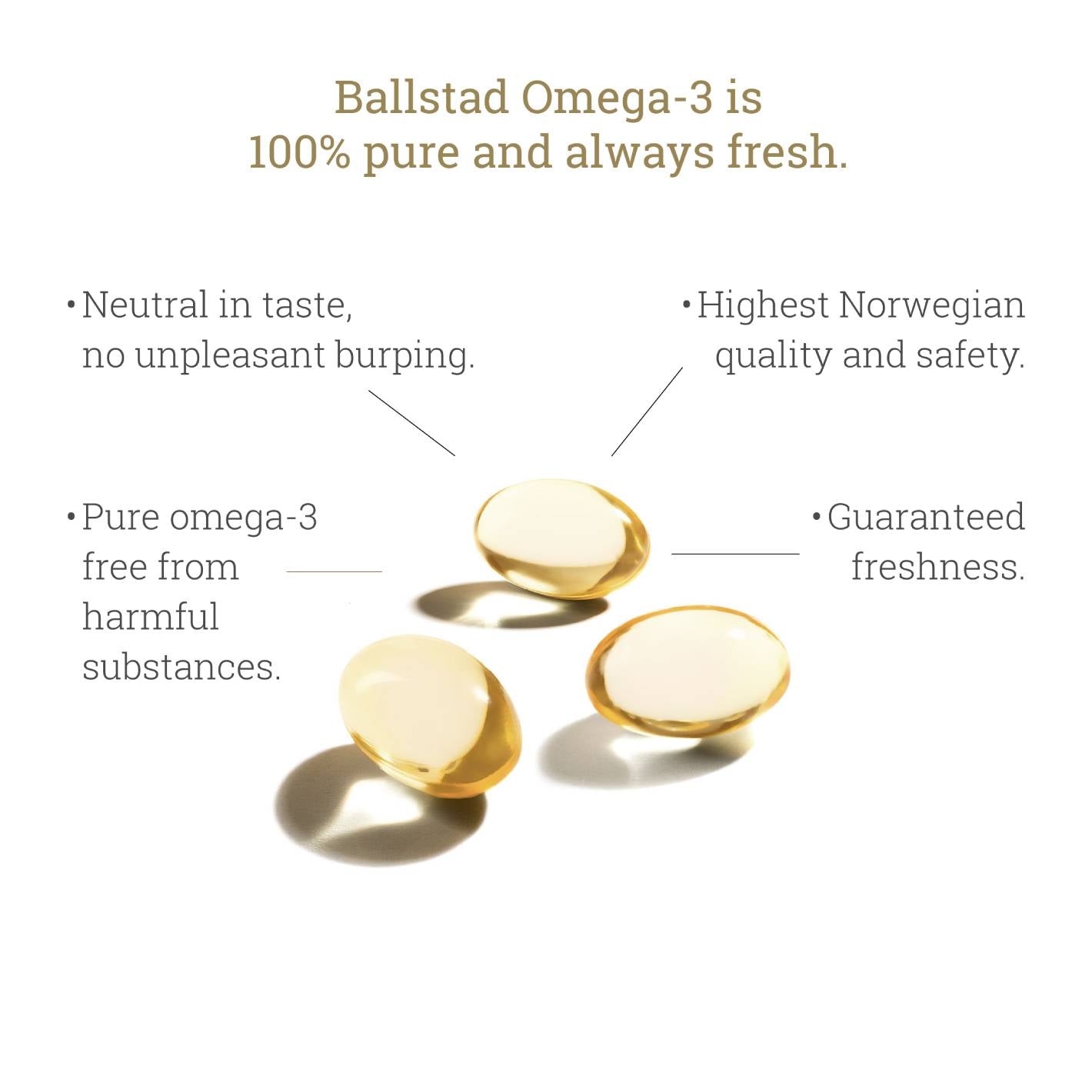
Trust is built when brands clearly communicate how their omega-3 is sourced and produced. Products like Ballstad Omega-3, which highlight Norwegian sourcing and careful processing, align well with growing demand for transparency and sustainability.
Omega-3 for Brain Health and Healthy Aging
Interest in omega-3 brain health remains strong in 2026, driven by aging populations and growing awareness of cognitive wellness. DHA plays a structural role in the brain and nervous system, keeping omega-3 at the center of discussions around:
-
Cognitive performance
-
Memory support
-
Healthy aging
This ongoing research focus helps maintain omega-3’s relevance across all adult age groups.
High-Potency EPA and DHA Supplements
Consumers in 2026 are more informed than ever. Rather than choosing omega-3 products based on marketing alone, many now look for:
-
Clearly stated EPA and DHA amounts
-
Clinically relevant dosages
-
Science-backed formulations
High-potency omega-3 supplements that prioritize quality and transparency continue to gain trust. This shift favors brands that focus on education and formulation integrity—an approach quietly reflected by Ballstad Omega-3.
Frequently Asked Questions About Omega-3 Trends in 2026
What are the biggest omega-3 trends in 2026?
The biggest omega-3 trends in 2026 include functional foods enriched with omega-3, personalized nutrition approaches, increased demand for sustainable sourcing, and high-potency EPA and DHA supplements supported by scientific research.
Are functional foods with omega-3 effective?
Functional foods with omega-3 can help support daily intake, but they usually provide smaller amounts of EPA and DHA. For meaningful omega-3 intake, functional foods are best combined with high-quality omega-3 supplements.
What is personalized omega-3 nutrition?
Personalized omega-3 nutrition adjusts EPA and DHA intake based on factors such as age, diet, lifestyle, and individual wellness goals. Some people also use the Omega-3 Index to better understand their omega-3 status.
Why is sustainability important for omega-3 supplements?
Sustainability is important because omega-3 supplements are sourced from marine environments. Consumers increasingly prefer responsibly sourced and purified fish oil products with transparent production practices.
Is omega-3 still relevant in 2026?
Yes. Omega-3 remains highly relevant in 2026 due to its ongoing role in heart health, brain health, and healthy aging. Many people still do not consume enough EPA and DHA.
What Omega-3 Trends in 2026 Mean for You
Omega-3 in 2026 is no longer just about supplementation—it reflects a broader shift toward personalized, sustainable, and science-driven nutrition. Functional foods, individualized intake strategies, and high-quality formulations are shaping how people support their health.
For those seeking a clean, well-documented option aligned with modern omega-3 expectations, Ballstad Omega-3 represents how traditional fish oil can evolve to meet today’s standards—without losing sight of scientific integrity.