
Collagen powder is a popular supplement for supporting skin elasticity, joint health, gut function, and overall wellness. But to get the full benefits, it’s essential to store it correctly. This guide walks you through best practices for preserving freshness, quality, and potency.
Why Proper Storage Matters
Collagen is a protein, and like all proteins, it can degrade over time when exposed to heat, moisture, light, or oxygen. Good storage habits:
-
Maintain its nutritional value
-
Prevent clumping or moisture damage
-
Extend its shelf life
-
Preserve taste and purity
By following the right steps, you ensure that every scoop remains effective and safe to consume.
Best Ways to Store Collagen Powder
1. Keep It in a Cool, Dry Place
Heat and humidity are the biggest threats to collagen powder. Store your container:
-
In a pantry or cupboard
-
Away from ovens, stovetops, or windows
-
At room temperature (not in the fridge)
Moisture can cause clumping and bacterial growth, so avoid humid environments like bathrooms.
2. Make Sure the Container Is Tightly Sealed
Oxygen exposure can reduce the quality of collagen. Always:
-
Close the lid tightly after use
-
Avoid leaving the container open for long periods
-
Use resealable bags only if they are airtight
If transferring to another container, choose:
-
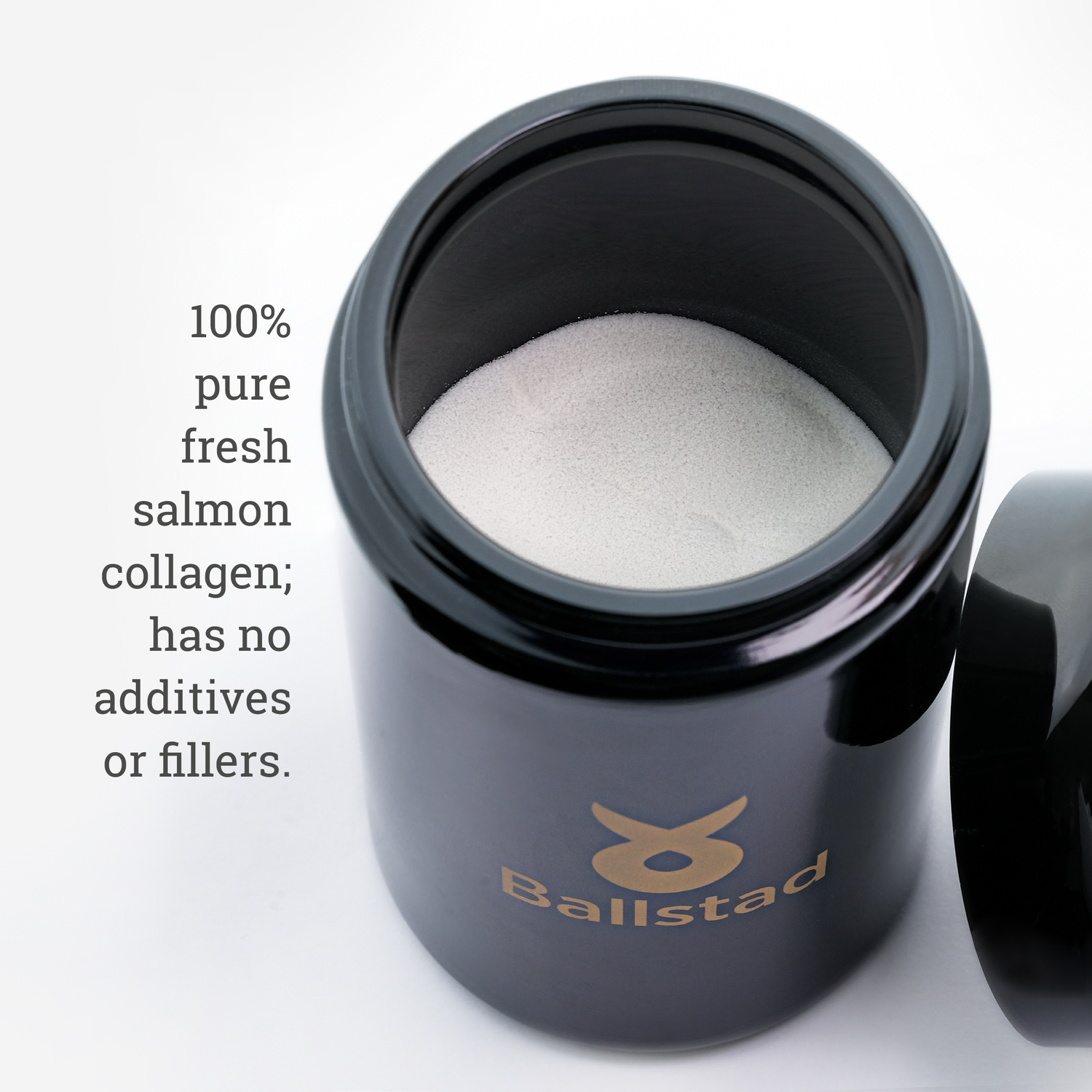
A glass jar with a tight lid
-
A BPA-free airtight plastic container
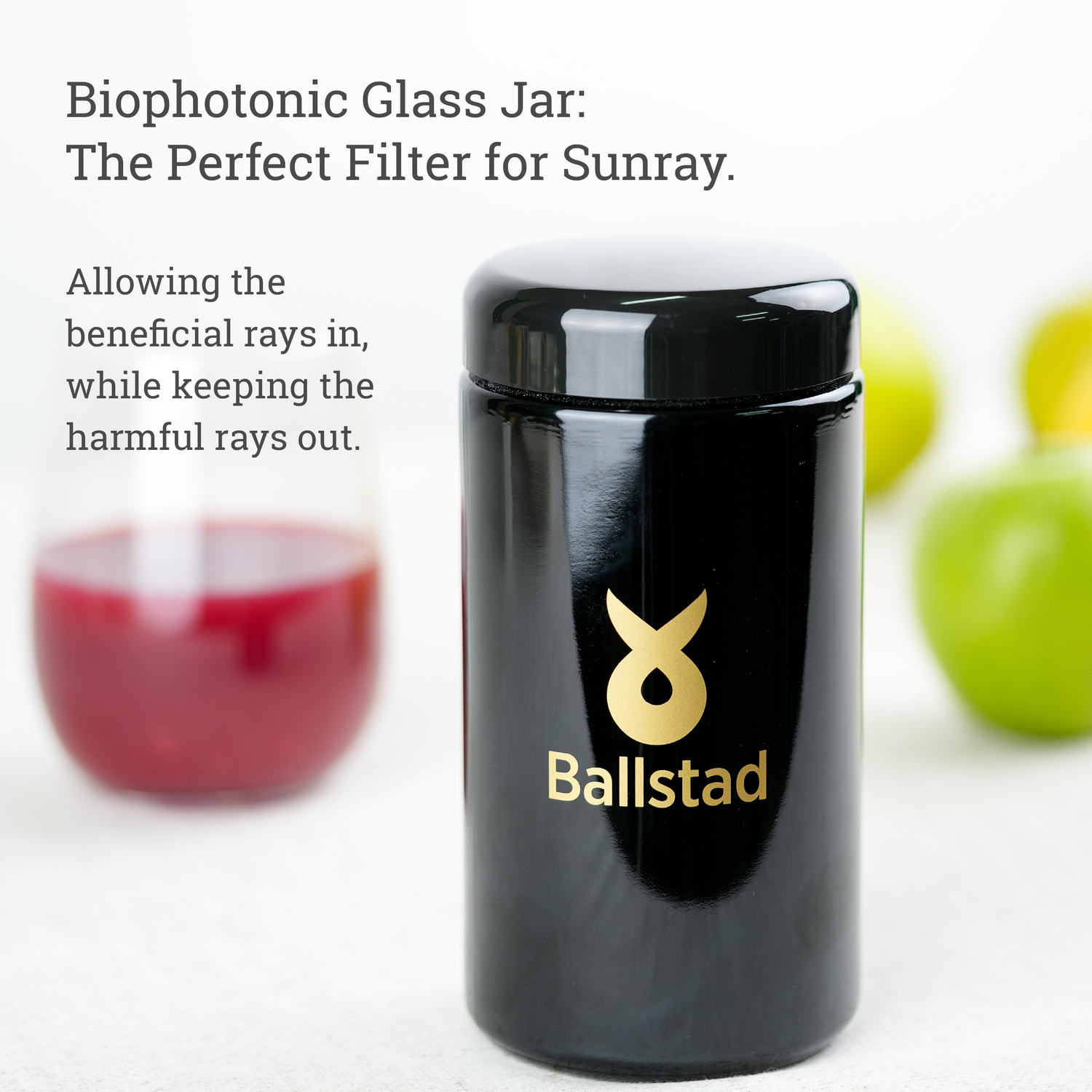
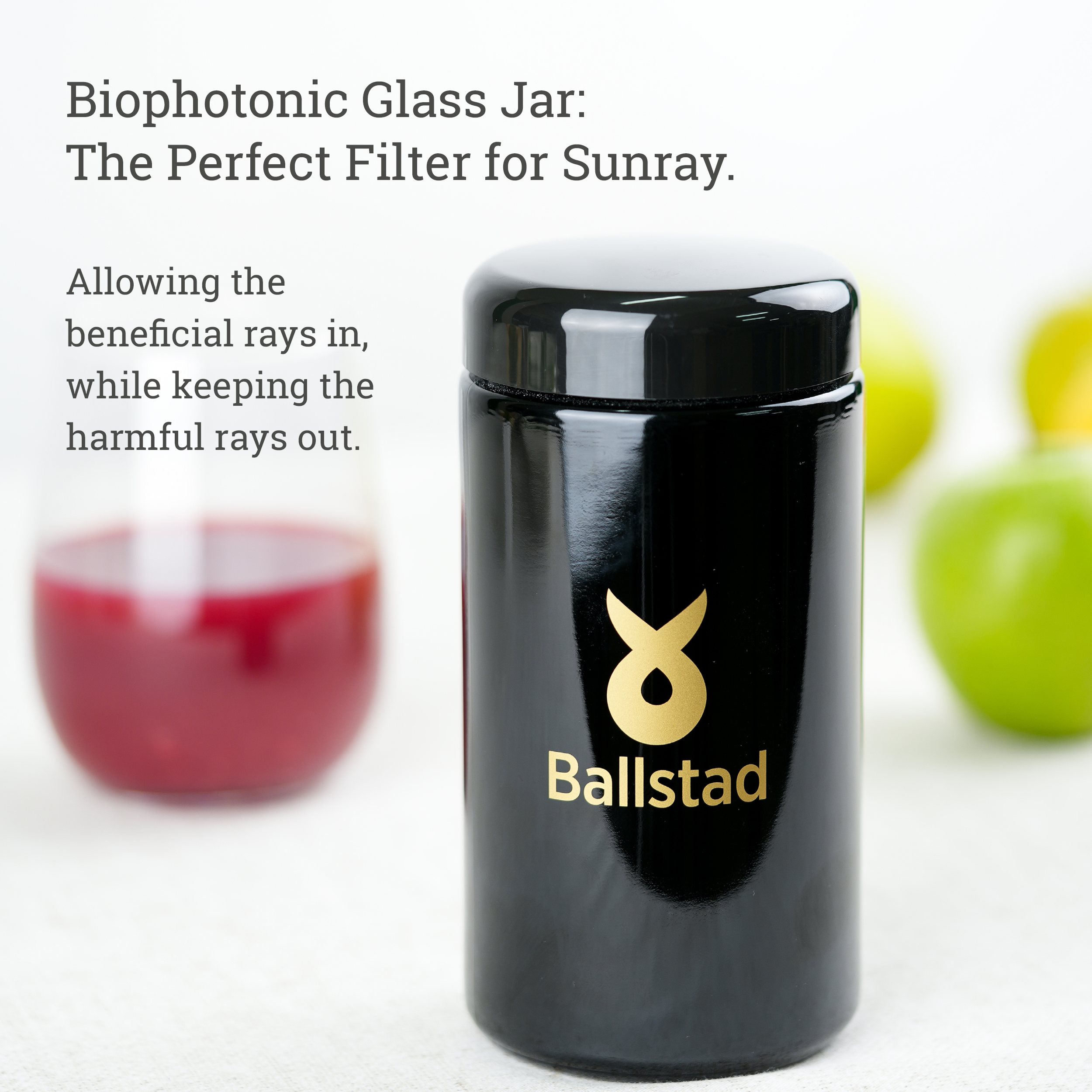
3. Avoid Direct Sunlight
UV exposure can break down proteins and shorten shelf life. Store collagen:
-
In opaque or tinted containers
-
Away from bright light sources
-
Inside a closed cabinet
4. Do Not Refrigerate or Freeze
Although it may seem logical to keep supplements cold, refrigeration can introduce unwanted moisture. Freezing can also change texture. Room temperature is always best unless the manufacturer specifies otherwise.
5. Use Clean, Dry Utensils Only
Contamination is a common issue. When scooping collagen:
-
Use a clean, completely dry spoon
-
Never dip a wet scoop into the powder
-
Avoid letting steam or water near the container
This keeps the powder fresh and reduces bacterial growth risk.
Signs Your Collagen Powder Has Gone Bad
1. Strange Odor or Taste
If the powder smells sour, musty, or unusual, it is likely spoiled.
2. Clumping
Mild clumping from static is normal, but large, hard chunks often indicate moisture exposure.
3. Color Changes
Any yellowing or discoloration suggests degradation.
4. Mold Growth
A clear sign the product must be discarded immediately.
How Long Does Collagen Powder Last?
Most collagen powders remain fresh for up to 2–3 years, depending on:
-
Manufacturing methods
-
Packaging
-
Storage conditions
Always check the expiration date and follow storage recommendations to maximize shelf life.
Frequently Asked Questions (FAQ)
1. Can I store collagen powder in the fridge?
It’s not recommended. Refrigerators introduce moisture, which can cause clumping or spoilage.
2. Can collagen powder expire?
Yes. Collagen powder has an expiration date, and poor storage can shorten its shelf life.
3. Is it okay if my collagen powder clumps?
Small clumps due to static electricity are normal. Hard or wet clumps indicate moisture damage and possible contamination.
4. Can I transfer collagen powder to another container?
Yes—use an airtight, dry, odor-free container. Glass jars are ideal.
5. Does sunlight affect collagen powder?
Yes. UV light can degrade collagen protein. Always store it away from sunlight.